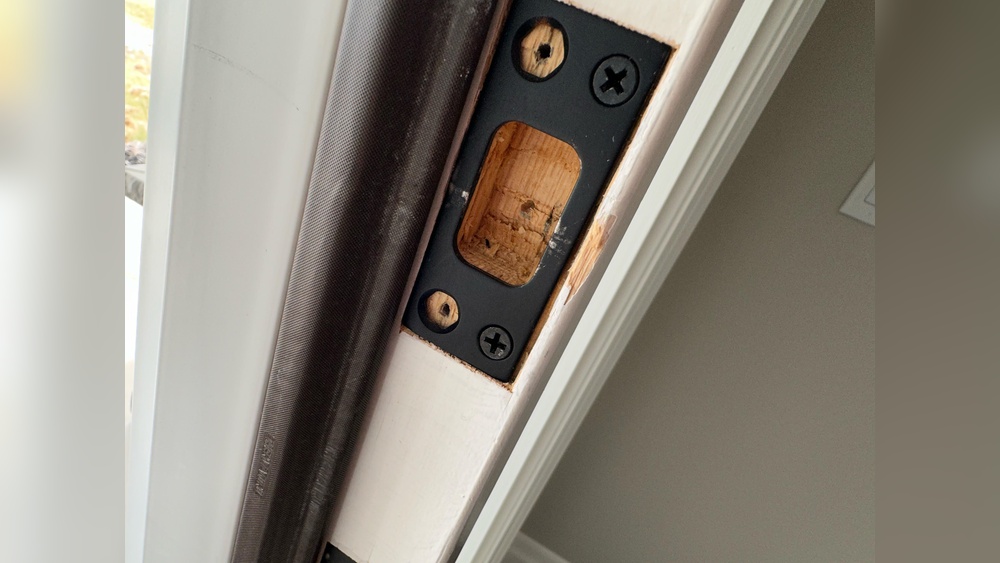
Locked out and staring at a deadbolt can feel frustrating and overwhelming. You might be wondering if there’s a way to get inside without causing damage or calling a locksmith.
This guide is here to help you understand the safest and most effective methods to break into a deadbolt locked door when you have no other options. By the end, you’ll know exactly what steps to take to regain access quickly and securely.
Keep reading—you don’t want to miss these essential tips.

Credit: www.wikihow.com
Types Of Deadbolt Locks
Deadbolt locks come in several types. Each type has different features and security levels. Knowing these types helps to understand how to deal with them.
Single Cylinder Deadbolts
Single cylinder deadbolts have a keyhole outside. Inside, there is a thumb turn to lock or unlock. They are easy to use and common in homes. These locks are simple but strong against forced entry.
Double Cylinder Deadbolts
Double cylinder deadbolts need a key on both sides. No thumb turn inside. They increase security by preventing someone from opening the door from inside. These locks suit doors with glass near the handle.
Keyless Deadbolts
Keyless deadbolts use codes or electronic keys. They do not need a physical key to open. These locks offer convenience and can be changed easily. Some models connect to smartphones for remote control.
Tools Needed For Entry
Breaking into a deadbolt locked door requires the right tools. Without proper equipment, the task becomes much harder and can cause damage. Using the correct tools helps you work safely and efficiently.
This section covers the essential tools needed. These tools range from simple to advanced and include safety gear. Knowing these tools prepares you better for the job.
Basic Locksmith Tools
Basic tools are easy to find and use. They include tension wrenches and lock picks. These tools help you manipulate the lock pins inside the deadbolt. A small screwdriver or a bump key might also be useful. These tools work best on simple locks.
Advanced Equipment
Advanced tools help with tougher locks. A lock pick gun can quickly move pins inside the lock. An electric pick or a key decoder shows the lock’s pattern. These tools require some skill and practice. They make entry faster and reduce damage.
Safety Gear
Safety is important during any entry attempt. Gloves protect your hands from sharp edges or tools. Safety glasses shield your eyes from flying debris. Wearing long sleeves helps avoid scratches. Proper safety gear keeps you safe while working.
Common Techniques To Bypass Deadbolts
Deadbolt locks are tough. They protect homes well. But some common techniques can bypass them. Understanding these methods helps in emergencies or for locksmith training. These methods vary in tools and skills needed. Let’s explore three popular ways to bypass deadbolts.
Lock Picking Basics
Lock picking uses small tools to move pins inside the lock. It mimics the action of a key. A tension wrench applies slight pressure. A pick lifts the pins one by one. When all pins are set, the lock turns open. This method needs patience and practice. It works best on standard pin tumbler deadbolts.
Bumping Method
The bumping method uses a special key called a bump key. This key fits into the lock. A quick tap or bump forces the pins to jump. This momentarily frees the lock cylinder. Turning the key at this time opens the lock. It requires some skill and the right bump key. Not all deadbolts respond well to bumping.
Using A Credit Card
Using a credit card works only on spring bolt locks. It does not work on true deadbolts. Slide a flexible card between the door and frame. Push the bolt back by bending the card. This method needs the door to not be tightly closed. It’s a quick trick but limited to certain locks.
When To Use Force
Sometimes, force is the only option to open a deadbolt locked door. This usually happens in emergencies or when all other methods fail. Using force can cause damage. Use it carefully and only if necessary. Always consider safety first. Know the limits of force and what tools to use.
Drilling The Lock
Drilling the lock is a common way to break a deadbolt. It destroys the lock mechanism inside. Use a power drill with a metal drill bit. Focus on the keyhole area. Drill slowly and steadily. Wear safety goggles to protect your eyes from metal shards. Drilling will ruin the lock, so replace it after.
Removing The Door Frame
Removing the door frame is a last resort. It works when the lock and door are very strong. Use a hammer and chisel to break the frame. This method causes serious damage to the door and frame. Be ready for repairs after. It requires physical strength and care to avoid injury.
Using A Crowbar
A crowbar can pry the door open by force. Place the crowbar between the door and frame near the lock. Push or pull with steady pressure. This can bend or break the lock or door. Use a crowbar carefully to avoid damage to walls or floors. This method is quick but noisy and obvious.
Legal And Ethical Considerations
Breaking into a deadbolt locked door involves more than just tools and skills. Legal and ethical rules matter a lot. Ignoring these rules can cause big problems. Understanding these limits helps you stay safe and responsible.
Permission And Ownership
Always get permission before trying to open a locked door. You must own the property or have clear approval from the owner. Opening a door without permission is illegal and can lead to trouble. This rule protects privacy and property rights.
Potential Consequences
Trying to break into a door without the right permissions can cause legal trouble. You might face fines, lawsuits, or even jail time. Damage to the door or lock can also create extra costs. Think about these risks before acting.
Hiring A Professional Locksmith
Calling a locksmith is the safest option. Professionals have the right tools and knowledge. They follow laws and avoid damage. Hiring a locksmith saves time and prevents legal issues. Trust experts to handle locked doors properly.

Credit: www.youtube.com
Preventing Lockouts In The Future
Getting locked out of a deadbolt locked door can be frustrating and stressful. Preventing lockouts saves time and avoids damage to your door or lock. Taking simple steps helps keep your home secure and your mind at ease.
Spare Keys
Keep spare keys in safe, hidden places outside your home. Give a spare key to a trusted friend or family member nearby. Avoid hiding keys in obvious spots like under the doormat. Use secure key holders designed for outdoor use. This helps you access your home quickly without damage.
Smart Locks
Smart locks provide keyless entry using codes or smartphones. They reduce the chance of losing physical keys. Some models allow temporary codes for visitors or workers. Choose smart locks with good security features and easy setup. Always keep your phone charged to avoid lockout issues.
Regular Maintenance
Check your locks regularly for wear or damage. Lubricate deadbolts with graphite or silicone spray to keep them smooth. Test your keys and lock function often to catch problems early. Fix or replace faulty locks before they cause lockouts. Proper care extends lock life and improves security.

Credit: www.youtube.com
Frequently Asked Questions
How Can I Open A Deadbolt Without A Key?
You can try lock picking with basic tools or use a bump key. Alternatively, call a locksmith for safe entry. Avoid damaging the lock to maintain security.
Is It Legal To Break Into My Own Deadbolt Door?
Yes, you can legally break into your own property. However, avoid damaging shared or rented property without permission. Always follow local laws and regulations.
What Tools Are Needed To Break A Deadbolt Lock?
Common tools include lock picks, bump keys, or a drill for extreme cases. Using the right tools ensures quick, damage-free access or minimal harm.
Can I Break A Deadbolt With A Credit Card?
No, credit cards don’t work on deadbolt locks. Deadbolts are more secure and resist such methods. Use proper lock picking tools instead.
Conclusion
Breaking into a deadbolt locked door takes patience and the right tools. Always follow the law and respect others’ property. Practice makes skills better and safer to use. Knowing how deadbolts work helps find the best approach. Stay calm, focused, and careful during the process.
Remember, safety should come first in every step. Use these tips only for emergencies or with permission. Understanding these methods can save time and trouble later. Stay responsible and smart when handling locked doors.