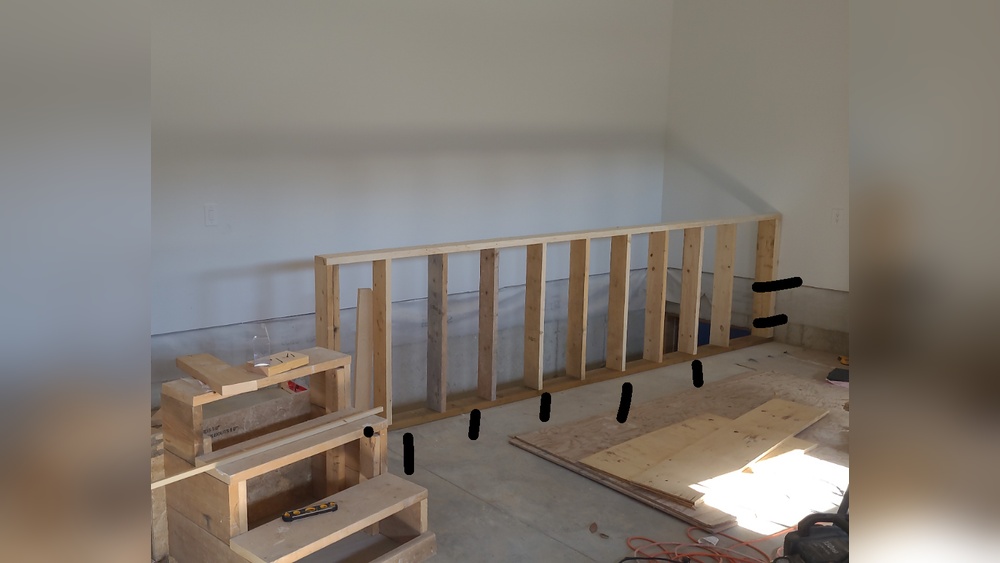
Are you building a short wall and want to make sure it stands strong for years to come? Anchoring your wall properly is the key to preventing cracks, leaning, or even collapse.
In this guide, you’ll learn simple, effective steps to anchor your short wall for maximum stability. Whether you’re a DIY enthusiast or just want to protect your investment, these tips will give you the confidence to get the job done right.
Keep reading to discover how easy it is to secure your wall and avoid costly repairs down the line.

Credit: www.redeemersgroup.com
Types Of Short Walls
Short walls serve many purposes in homes and gardens. They can divide spaces or hold back soil. Choosing the right type of wall helps ensure it stays strong and safe. Knowing the different types lets you pick the best one for your project.
Each type of short wall needs proper anchoring to avoid damage. The wall’s function and location affect how it should be anchored.
Freestanding Vs. Retaining Walls
Freestanding walls stand alone. They usually act as borders or decorative features. These walls face less pressure from soil. Anchoring focuses on keeping the wall upright and stable.
Retaining walls hold back soil or other materials. They face strong pressure from behind. These walls need stronger anchors and footing. Stability is key to prevent collapse or leaning.
Material Choices For Stability
Materials affect a wall’s strength and anchor needs. Concrete blocks are heavy and strong. They work well for both freestanding and retaining walls.
Brick walls offer good durability but need proper mortar and anchors. Stone walls look natural but require careful placement and anchoring.
Wood walls are lighter but less stable. They need extra support and anchoring to stay firm over time.

Credit: comunisostenibili.eu
Common Stability Issues
Short walls need strong support to stay steady over time. Many walls face stability problems that cause them to lean, crack, or fall. Understanding common issues helps fix walls before damage worsens. This knowledge protects your home and keeps the wall safe.
Common stability problems often come from poor design or weak materials. Soil pressure and weather also affect wall strength. Knowing the causes and signs of weak anchoring helps keep walls stable and long-lasting.
Causes Of Wall Movement
Soil shifting is a main cause of wall movement. Heavy rain or freeze-thaw cycles push soil against the wall. This pressure can cause the wall to tilt or crack. Poor drainage makes the problem worse by letting water build up behind the wall.
Weak foundations do not hold the wall firmly in place. If the footing is too shallow or poorly made, the wall can move. Using the wrong materials or not anchoring the wall properly also leads to instability.
Signs Of Weak Anchoring
Look for cracks in the wall as a sign of weak anchoring. Horizontal cracks often show pressure from soil pushing too hard. Vertical cracks may mean the wall is settling unevenly. Bowing or leaning walls are clear signs that anchors are failing.
Gaps between the wall and ground or nearby structures can signal movement. Loose blocks or stones also suggest the wall is not secure. Catching these signs early helps prevent major damage and costly repairs.
Anchoring Techniques
Anchoring a short wall is key to keep it stable and safe. Proper anchoring stops the wall from moving or falling. Different methods suit different wall types and soil conditions. This guide covers common anchoring techniques used by builders and DIYers.
Using Rebar And Steel Rods
Rebar and steel rods add strength inside concrete walls. Insert them vertically or horizontally in the wall form. They hold the wall firmly in place once the concrete sets. This method works well for walls that need extra support. Steel rods resist bending and help the wall handle pressure.
Installing Anchor Bolts
Anchor bolts connect the wall to a solid base or footing. Drill holes into the footing and fix the bolts tightly. The wall then attaches to these bolts, preventing side movement. Use bolts made of strong, rust-resistant metal. Proper spacing and depth of bolts improve wall stability.
Applying Deadman Anchors
Deadman anchors use buried objects to hold the wall steady. Attach a cable or rod from the wall to the buried deadman. The deadman acts like an underground anchor, stopping the wall from tipping. This technique suits retaining walls and slopes. The deeper the deadman, the stronger the hold.
Tools And Materials Needed
Anchoring a short wall properly needs the right tools and materials. These help make the wall strong and safe. Using quality items saves time and effort. It also prevents future problems like cracking or shifting.
Essential Tools
- Measuring tape – to get accurate wall dimensions
- Level – to check the wall’s straightness
- Drill – for making holes and fixing anchors
- Screwdriver – to tighten screws securely
- Hammer – for driving nails or stakes
- Chalk line – to mark straight lines on surfaces
- Safety goggles – to protect your eyes during work
- Gloves – to protect your hands
Recommended Materials
- Concrete anchors – for strong wall attachment
- Anchor bolts – to fix the wall firmly in place
- Wood or metal studs – to support the wall frame
- Construction adhesive – to bond materials securely
- Brackets or straps – to brace the wall against movement
- Concrete mix – for setting anchors in the ground
- Galvanized screws or nails – to resist rust and corrosion
Step-by-step Anchoring Process
Anchoring a short wall correctly ensures it stays stable and safe. The process involves clear, simple steps anyone can follow. Each step builds on the last, making the wall strong and steady. Let’s break down the anchoring process into easy parts.
Preparing The Wall Surface
Start by cleaning the wall surface. Remove dirt, dust, and loose materials. Use a brush or cloth to wipe it down well. Check the wall for cracks or damage. Repair any weak spots with mortar or filler. Let repairs dry completely before moving on. A clean, solid surface helps anchors hold firmly.
Drilling And Inserting Anchors
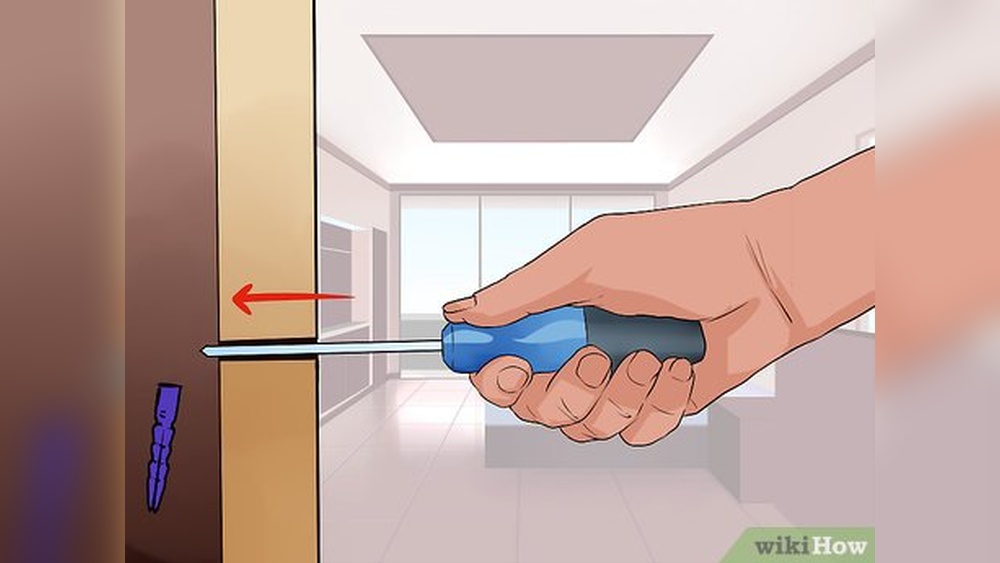
Mark spots where you will place anchors. Space them evenly along the wall base. Use a drill with the correct bit size for anchors. Drill holes straight and to the right depth. Clear out dust from the holes using a brush or air blower. Insert anchors tightly into each hole. Tap gently with a hammer if needed. Proper anchor placement is key for strong support.
Securing And Testing Stability
Attach the wall to the anchors using screws or bolts. Tighten each fastener firmly but avoid over-tightening. Check that the wall sits flush against the base. Apply pressure to test if the wall moves or wiggles. If it feels loose, tighten the fasteners again. A stable wall should not shift or rock. This final step confirms your work is secure.
Maintenance Tips For Longevity
Maintaining a short wall ensures it stays strong and stable over time. Simple care helps avoid costly repairs. Regular checks and small fixes protect your investment.
Regular Inspections
Look at the wall often for signs of damage. Check for loose stones, cracks, or leaning parts. Early spotting of problems keeps the wall safe. Use a level tool to test straightness. Take notes to track any changes over time.
Addressing Minor Cracks
Small cracks can grow bigger if ignored. Fill cracks with mortar or sealant made for walls. Do this as soon as you see them. This stops water and dirt from entering. Repairing cracks early saves money and effort later.
Preventing Water Damage
Water weakens the wall’s foundation and structure. Keep soil and plants away from the base. Make sure the ground slopes away to drain water. Use waterproof coatings to protect wall surfaces. Fix leaks in gutters or pipes near the wall quickly.
Safety Precautions
Safety is key when anchoring a short wall. Taking the right precautions protects you and others. It helps avoid accidents and injuries. Being careful also makes the work smoother and faster.
Protective Gear
Wear gloves to protect your hands from cuts and splinters. Use safety glasses to shield your eyes from dust and debris. A hard hat guards your head from falling objects. Wear sturdy shoes to avoid foot injuries. Dress in long sleeves and pants for extra protection.
Handling Heavy Materials
Lift heavy materials with your legs, not your back. Ask for help if something is too heavy. Use tools like dollies or carts to move big items. Keep your path clear to avoid tripping. Take breaks to prevent strain and fatigue.
Credit: www.kgcountry.com
Frequently Asked Questions
How Do You Anchor A Short Wall Effectively?
To anchor a short wall effectively, use metal brackets or anchors fixed into the foundation. Secure the wall studs tightly to these anchors to prevent movement and ensure stability under pressure.
What Materials Are Best For Short Wall Anchoring?
Steel brackets, anchor bolts, and heavy-duty screws work best for anchoring short walls. These materials provide strong, durable connections between the wall and foundation.
How Deep Should Anchor Bolts Be For Short Walls?
Anchor bolts should be embedded at least 7 inches into concrete for secure anchoring. Proper depth ensures the wall resists shifting and remains stable over time.
Can Short Walls Be Anchored Without A Foundation?
Anchoring short walls without a foundation is risky. A proper foundation or footing is essential to provide a secure base and prevent wall movement or collapse.
Conclusion
Anchoring a short wall is key for strong and safe support. Use the right tools and follow steps carefully. Check your work often to keep the wall steady. Small efforts now can stop big problems later. Stay patient and take your time with each part.
A well-anchored wall lasts longer and holds up better. This simple process can save you from costly repairs. Keep these tips in mind for any wall project ahead.