Are you ready to hang shelves, mount a TV, or secure heavy items on your cinder block wall but don’t know where to start? Anchoring into a cinder block wall might seem tricky at first, but with the right steps, you can do it safely and securely.
In this guide, you’ll discover simple, clear instructions that make the process easy—even if you’ve never done it before. Keep reading, and you’ll gain the confidence to tackle your project like a pro and avoid common mistakes that can cost you time and money.
Let’s get started!
Credit: www.homedepot.com
Choosing The Right Anchor
Choosing the right anchor is key for strong and safe attachment to a cinder block wall. The wrong anchor can cause damage or fail to hold weight properly. Understanding the types of anchors and important factors helps pick the best one for your project. This ensures the anchor fits your wall and holds the load securely.
Types Of Anchors For Cinder Block
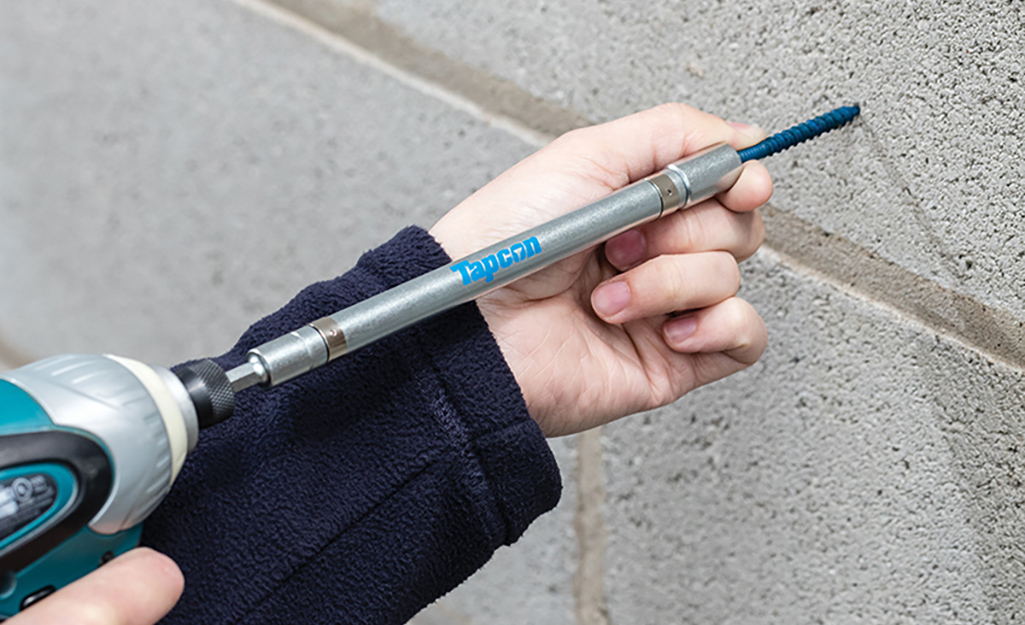
Plastic anchors work well for light loads like picture frames. They expand inside the hole to grip the block. Metal anchors, such as sleeve anchors, offer stronger hold. They are good for medium to heavy loads. Wedge anchors provide the strongest grip. They tighten inside the block for heavy-duty tasks. Tapcon screws are a good choice for quick fixes. They screw directly into the block without a plug.
Factors To Consider
Weight is the first factor to check. Pick an anchor that can support the item’s weight. Wall condition matters too. Cracked or old blocks need softer anchors to avoid damage. Hole size affects anchor choice. Match the anchor diameter with the drilled hole. Moisture exposure can weaken some anchors. Use rust-resistant types in damp areas. Finally, consider the type of load. Pull-out loads need different anchors than shear loads.
:max_bytes(150000):strip_icc()/ways-to-attach-things-to-cinder-block-walls-5080521_expansion-bolts-7b88082a12c547ffb58efec11542101d.jpg)
Credit: www.thespruce.com
Tools And Materials Needed
Anchoring into a cinder block wall needs the right tools and materials. Using proper equipment ensures a strong, safe hold. It also makes the job easier and faster. Below is a list of what you need before starting your project.
Essential Tools
Start with a hammer drill. It can drill through the hard surface of cinder blocks. Use a masonry bit with the drill. Choose the right size for your anchors. A screwdriver or a wrench helps tighten the anchors. A tape measure ensures accurate placement. A pencil or marker will mark the spots to drill.
Safety Gear
Wear safety glasses to protect your eyes from dust and debris. Use gloves to protect your hands from rough surfaces and sharp tools. A dust mask prevents inhaling dust particles. Ear protection helps reduce noise from the hammer drill. Proper safety gear keeps you safe during the work.
Preparing The Wall
Preparing the wall is the first step to anchor into a cinder block properly. It ensures the anchor will hold strong and last long. Taking time on preparation saves effort later.
Locating The Best Spot
Find a solid part of the cinder block to drill into. Avoid the hollow or weak areas. The edges of the block are not good choices. Aim for the center of the block’s solid section. This gives the anchor the best grip.
Cleaning The Surface
Clear dust and dirt from the wall before drilling. Use a brush or vacuum to remove loose debris. A clean surface helps the drill bit work well. It also keeps the anchor tight and secure.
Credit: www.homedepot.com
Drilling The Hole
Drilling the hole is the key step when anchoring into a cinder block wall. It must be done carefully to ensure a strong hold. A well-drilled hole helps the anchor fit tightly and hold heavy items safely.
Take your time with this step. A small mistake can weaken the anchor or damage the wall. Follow the right process for best results.
Marking The Drill Point
Start by choosing the exact spot for the hole. Use a pencil to make a clear mark. Check the spot twice to avoid errors. Measure carefully from edges and corners. This ensures the anchor goes in the correct place. A wrong spot can cause the anchor to break or fall out.
Drill Bit Selection
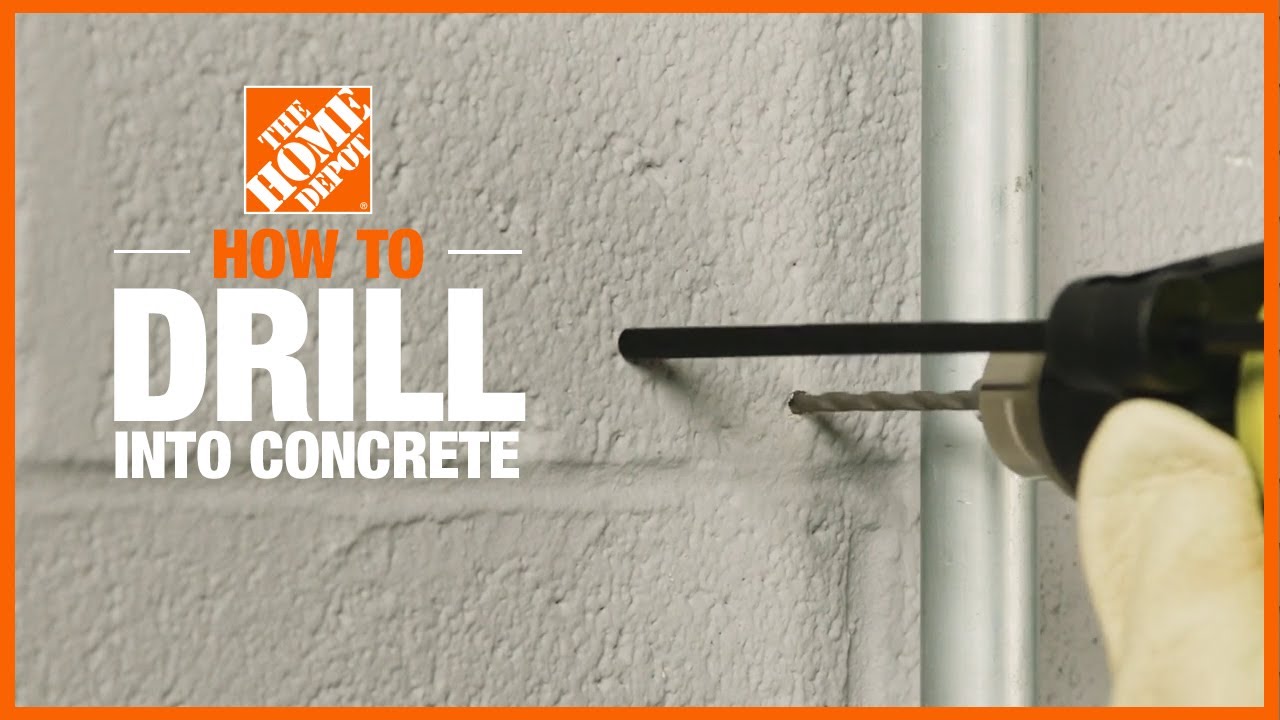
Pick a drill bit made for masonry work. Carbide-tipped bits work best on cinder blocks. Match the bit size to the anchor size. Too small a bit will make insertion hard. Too large a bit will make the anchor loose. Use a hammer drill for better control and power.
Drilling Techniques
Hold the drill steady and straight. Start slowly to avoid slipping. Drill at a slow speed at first, then increase. Push gently without forcing the drill. Let the bit do the work. Drill to the depth needed for the anchor. Clean out dust from the hole before placing the anchor.
Installing The Anchor
Installing an anchor in a cinder block wall is a simple task with the right steps. It provides a strong hold for hanging items safely. This section explains how to place and secure the anchor correctly.
Inserting The Anchor
Begin by drilling a hole into the cinder block. The hole size must match the anchor size. Clean out dust from the hole to ensure a tight fit. Next, gently tap the anchor into the hole using a hammer. The anchor should sit flush with the wall surface. Avoid forcing it too deep to prevent damage.
Securing The Fixing
After inserting the anchor, insert the screw or bolt into it. Tighten the screw slowly to expand the anchor inside the block. This expansion locks the anchor firmly in place. Stop tightening once the fixture feels secure. Over-tightening can crack the block or strip the anchor.
Testing The Fixing
After anchoring into a cinder block wall, testing the fixing is vital. This step ensures the anchor holds well and can support the intended weight. Without testing, the anchor might fail later, causing damage or injury.
Testing also helps find any weaknesses early. You can fix issues before putting the anchor to full use. It saves time and prevents accidents.
Checking Stability
Start by gently pulling or pushing the anchored item. Use steady pressure, not sudden force. The anchor should not move or wiggle.
Look for cracks or crumbling around the anchor point. These signs mean the fix is weak. Try tightening the anchor if possible.
Repeat the test a few times. Stability means the anchor stays firm every time. If it shifts, the anchor may not be secure enough.
Troubleshooting Common Issues
If the anchor moves, check if the hole is too big. A loose hole reduces grip strength. Use a larger anchor or fill the hole before fixing again.
Cracks around the anchor mean the cinder block is damaged. Avoid using that spot. Choose a different location for anchoring.
Make sure you use the right type of anchor for cinder blocks. Some anchors do not hold well in hollow blocks. Switch to sleeve or expansion anchors for better results.
Maintenance Tips
Maintaining anchors in a cinder block wall ensures safety and durability. Regular care helps avoid costly repairs and keeps the wall strong. Simple steps can extend the life of your anchors.
Regular Inspections
Check anchors often for signs of wear or damage. Look for cracks, rust, or loose bolts. Early detection stops bigger problems. Use a flashlight to see inside holes clearly. Tighten any loose anchors immediately to keep them secure.
Preventing Damage
Keep the area around anchors dry to avoid rust. Avoid overloading anchors beyond their weight limit. Use protective coatings to shield metal parts. Clean anchors with a soft brush to remove dirt and debris. Prevent water from pooling near the wall to reduce damage risks.
Frequently Asked Questions
What Tools Do I Need To Anchor Into A Cinder Block Wall?
You need a drill with a masonry bit, anchors, screws, a hammer, and a screwdriver. Safety gear is also important. These tools help create secure holes and properly install anchors in cinder block walls.
Which Anchors Work Best For Cinder Block Walls?
Sleeve anchors, wedge anchors, and plastic expansion anchors work well. Choose anchors rated for masonry and suitable for the wall’s load capacity. Proper anchors ensure a strong, long-lasting hold in cinder block walls.
How Do I Drill Holes In A Cinder Block Wall?
Use a masonry drill bit and a hammer drill for best results. Drill into the solid part of the block, not the hollow core, to ensure stability. Keep the drill steady and avoid applying too much pressure.
Can I Anchor Into The Hollow Part Of A Cinder Block?
No, avoid drilling into hollow sections as they lack strength. Always drill into the solid outer edges of the cinder block. Anchoring in solid parts ensures better support and prevents damage.
Conclusion
Anchoring into a cinder block wall is simple with the right steps. Choose the correct anchor and drill carefully. Ensure the hole is clean before inserting the anchor. Tighten screws steadily to avoid damage. This method holds items firmly and safely.
Practice patience, and your project will hold strong. Try it yourself and see the difference.