Building a tall retaining wall can transform your outdoor space, but if it’s not properly anchored, it can become unstable and unsafe. You want your wall to stand strong through rain, wind, and time.
So how do you make sure your tall retaining wall stays firm and secure? You’ll discover simple, effective methods to anchor your wall correctly. By the end, you’ll have the confidence to tackle your project and protect your property. Keep reading to learn the crucial steps that make all the difference.
Choosing The Right Materials
Choosing the right materials is key to building a strong tall retaining wall. The materials must hold heavy soil and resist weather effects. Using poor materials can cause cracks or wall failure. Understanding different options helps pick the best fit for your project. Focus on strength, durability, and cost when selecting materials.
Types Of Retaining Wall Materials
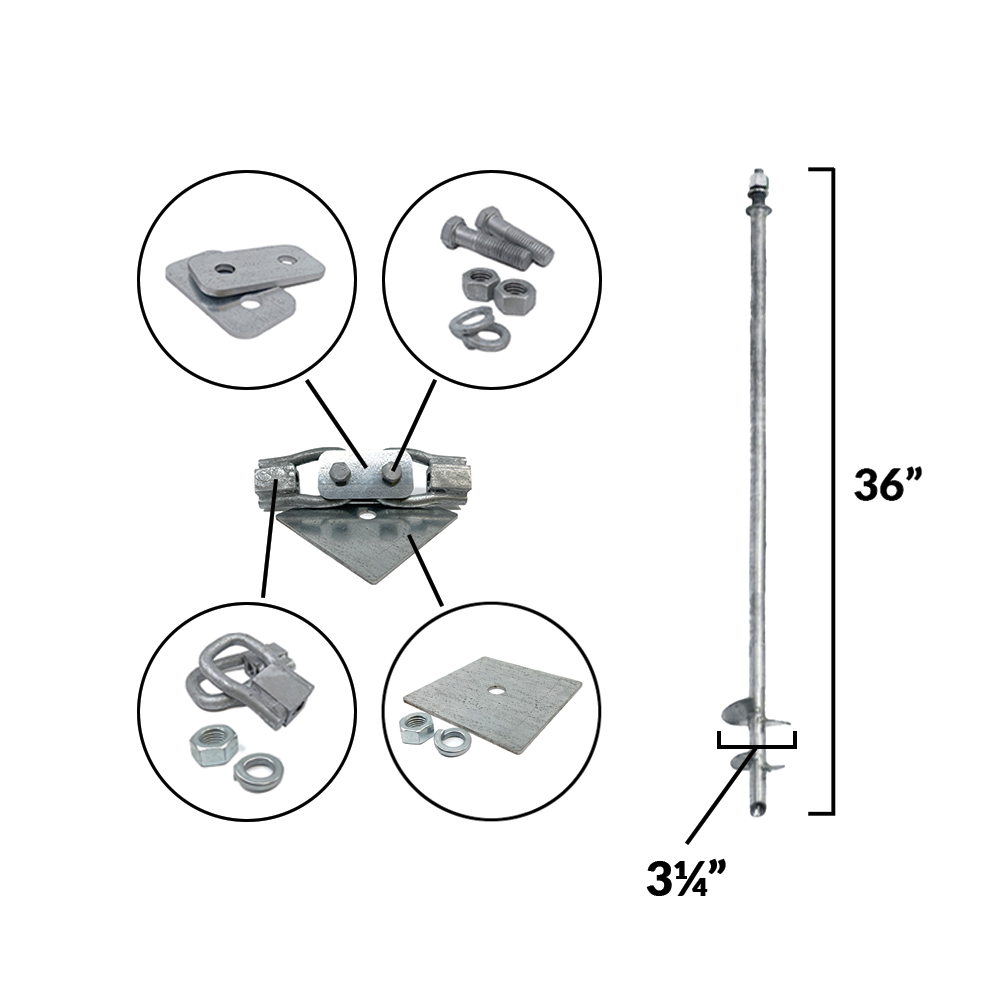
Concrete blocks are common for tall walls. They fit tightly and last long. Natural stone offers a classic look and strong support. Timber is easy to install but may rot over time. Steel or metal anchors add extra strength to hold soil back. Each material suits different styles and budgets.
Durability And Strength Considerations
Materials must resist pressure from soil and water. Concrete and stone are strong and weather-resistant. Timber requires treatment to avoid decay and insect damage. Check if materials can handle freeze-thaw cycles in cold areas. Choose materials that keep walls stable and safe for years.
Credit: store.decksgo.com
Designing For Stability
Building tall retaining walls requires careful design. Stability is the key to safety and durability. A well-designed wall can hold back soil without shifting or collapsing.
Engineers must consider many factors. These include wall height, soil type, and the loads the wall will face. Proper design reduces risks and saves money on repairs.
Calculating Wall Height And Load
Start by measuring the exact height of the wall needed. Taller walls need stronger support and anchoring. Calculate the total load the wall will hold. This includes soil pressure and any extra weight above.
Loads also come from water in the soil and nearby structures. Use these numbers to pick the right materials and anchor type. Safety margins should be included to handle unexpected forces.
Soil Analysis And Its Impact
Soil type affects how the wall stands. Some soils hold well, others shift or erode. Test soil for strength, drainage, and composition. Clay, sand, and rock behave differently under pressure.
Good drainage helps prevent water buildup behind the wall. Water adds pressure and can cause failure. Design anchors to work with soil properties for better stability. Soil analysis guides the best anchoring method and depth.
Anchoring Techniques
Anchoring techniques are key to making tall retaining walls strong and safe. These methods help hold the wall in place against soil pressure and weather forces. Choosing the right anchoring method depends on soil type, wall height, and site conditions.
Each technique offers different ways to secure the wall. Some use buried anchors, while others rely on reinforced soil layers. Understanding these methods helps builders pick the best option for long-lasting results.
Deadman Anchors
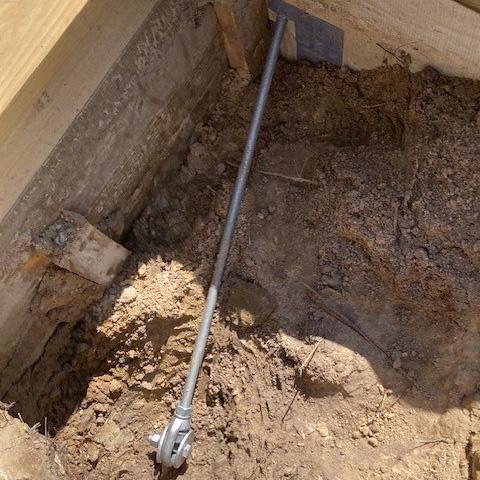
Deadman anchors are buried objects that hold the wall from behind. They connect to the wall using rods or cables. These anchors spread the load deep into the soil.
They work well for heavy walls and unstable soil. Installation requires digging a trench behind the wall. Then, a strong anchor is placed and tied to the wall.
Tiebacks And Soil Nails
Tiebacks are steel rods drilled into the ground at an angle. They support the wall by pulling it back into the earth. Soil nails are similar but shorter and installed horizontally.
Both increase wall stability by reinforcing the soil. They need special equipment for drilling and tensioning. These techniques suit steep slopes and tight spaces.
Geogrid Reinforcement
Geogrids are synthetic mesh layers placed inside soil behind the wall. They tie soil layers together, creating a strong, reinforced mass. This method improves soil strength and reduces pressure on the wall.
Geogrid works well with concrete or masonry walls. Installation involves placing grids in layers with soil fill. It is cost-effective and reduces the need for deep anchors.
Credit: store.decksgo.com
Installation Best Practices
Installing tall retaining walls requires careful attention to detail. Following best practices ensures the wall stays strong and stable for years. Proper methods reduce risks of failure and costly repairs. Focus on key steps during installation to achieve the best results.
Proper Excavation Methods
Start with clear, level ground for the base. Excavate to the correct depth for the wall foundation. Remove loose soil and debris to prevent settling. Use stable soil layers to support the wall. Avoid digging too deep, which can weaken support. Check soil type before excavation to plan correctly.
Drainage Solutions To Prevent Pressure Build-up
Water pressure can cause tall walls to fail. Install drainage pipes behind the wall to channel water away. Use gravel or crushed stone for drainage fill. Add filter fabric to stop soil from clogging drains. Ensure drainage outlets are lower than the wall base. Proper drainage lowers water pressure and extends wall life.
Backfilling And Compaction Tips
Backfill in layers, not all at once. Use suitable material like gravel or crushed stone. Compact each layer firmly to avoid settling. Avoid heavy machinery close to the wall during backfilling. Check compaction with a hand tamper or compactor. Well-compacted backfill supports the wall and reduces movement.
Maintenance And Inspection
Maintenance and inspection are key to keeping tall retaining walls strong. These walls face pressure from soil and weather. Small problems can grow into big issues fast. Regular checks help catch problems early. This saves money and prevents wall failure. Follow simple steps to keep your wall safe and steady.
Identifying Early Signs Of Movement
Look for cracks in the wall surface. Cracks may show the wall is shifting. Check if the wall leans forward or tilts. Leaning means the wall is losing support. Notice any gaps between wall sections. Gaps can signal soil pushing the wall. Watch for soil or water pooling near the base. This may weaken the foundation. Spotting these signs early helps fix problems quickly.
Routine Wall And Anchor Checks
Inspect anchors for rust or damage. Rust weakens the metal and reduces strength. Make sure anchors are tight and secure. Loose anchors can cause wall movement. Clear debris and plants from the wall base. Debris traps moisture and causes decay. Check drainage systems to avoid water buildup. Good drainage keeps soil stable. Do these checks at least twice a year to stay ahead of issues.
Credit: www.fencetrac.com
Frequently Asked Questions
What Materials Are Best For Anchoring Tall Retaining Walls?
Steel anchors and reinforced concrete are ideal for tall retaining walls. They provide strong support and resist soil pressure effectively, ensuring wall stability over time.
How Deep Should Anchors Be Installed For Tall Retaining Walls?
Anchors should be installed below the wall’s base, typically 3 to 5 feet deep. Depth depends on soil type and wall height for optimal stability.
Can Tall Retaining Walls Be Anchored Without Professional Help?
Anchoring tall retaining walls requires expertise. DIY attempts risk improper installation and wall failure. Hiring professionals ensures safety and compliance with engineering standards.
How Do Anchors Prevent Retaining Wall Failure?
Anchors transfer soil pressure away from the wall, stabilizing it. They reduce movement and prevent leaning, cracking, or collapse caused by soil forces.
Conclusion
Anchoring tall retaining walls keeps them strong and safe. Use proper materials and follow good building steps. Check soil and wall conditions before starting work. Simple anchors can prevent costly damage later on. Stay careful and take your time with each step.
This way, your wall lasts longer and holds better. Strong walls protect your land and home easily. Keep these tips in mind for best results.