Are your kitchen cabinets feeling a bit loose or unstable? Knowing how to anchor kitchen cabinets to your wall properly is key to keeping them secure and safe.
If you’ve ever wondered how to do it yourself without hiring a pro, you’re in the right place. This guide will walk you through simple steps that anyone can follow, saving you time, money, and frustration. Stick with me, and soon your cabinets will be firmly fixed, giving your kitchen a solid, polished look you’ll love.
Let’s get started!

Credit: www.columbiadailyherald.com
Tools And Materials Needed
Anchoring kitchen cabinets to the wall requires specific tools and materials. Using the right items makes the job easier and safer. Prepare all tools and materials before starting. This section lists everything needed to secure your cabinets properly.
Essential Tools
- Drill with screwdriver bits
- Stud finder to locate wall studs
- Level to ensure cabinets are straight
- Measuring tape for accurate placement
- Pencil to mark drilling spots
- Socket wrench for tightening bolts
- Clamps to hold cabinets in place
Recommended Hardware
- Wood screws, at least 2.5 inches long
- Toggle bolts for drywall without studs
- Metal brackets for extra support
- Anchors suitable for wall type
- Washers to distribute pressure
Safety Gear
- Safety glasses to protect eyes
- Work gloves to protect hands
- Dust mask to avoid inhaling debris
- Hearing protection for loud drills
Preparing The Wall
Preparing the wall is the first step to securely anchor kitchen cabinets. A strong and stable wall ensures the cabinets hold tight. Proper preparation prevents future damage or accidents. This process includes finding the right spots, marking where cabinets go, and checking for any hidden obstacles.
Locating Wall Studs
Wall studs are vertical wooden beams inside the wall. Cabinets must be anchored to these studs for safety. Use a stud finder tool to locate them. Move the tool slowly across the wall. Mark each stud spot lightly with a pencil. Studs are usually 16 or 24 inches apart.
Marking Cabinet Positions
Measure the height and width for your cabinets on the wall. Use a level to draw straight lines. These lines guide where the cabinets will sit. Mark the wall where cabinet edges meet the studs. Clear markings make installation faster and accurate. Double-check all measurements before drilling.
Checking For Obstacles
Walls may hide pipes, wires, or other obstacles. Use a wire detector to find electrical wires. Avoid drilling into these to prevent damage or injury. Look for plumbing pipes behind sinks and appliances. Adjust cabinet placement if any obstacles are found. Safety comes first in all steps.
Measuring And Leveling Cabinets
Measuring and leveling cabinets is a key step for strong kitchen cabinet installation. This step ensures your cabinets fit well and look straight on the wall. Taking accurate measurements helps avoid mistakes that waste time and materials.
Level cabinets make your kitchen look neat and professional. Uneven cabinets cause doors to misalign and items to slide off shelves. Accurate leveling also helps the cabinet doors close properly.
Measuring Cabinet Height
Start by measuring the height of your cabinets. Use a tape measure to find the exact height from the floor to the top of the cabinet. Note this number carefully. Double-check the measurement to prevent errors.
Measure each cabinet separately if sizes vary. Mark the wall with pencil marks showing where the cabinet edges will go. This helps guide the installation process.
Using A Level
Use a spirit level to check the cabinet’s alignment. Place the level on top of the cabinet or along the side. Adjust the cabinet until the bubble sits in the center of the level.
Check both horizontal and vertical levels. This step ensures the cabinet sits perfectly straight. A small misalignment can cause problems later.
Adjusting For Uneven Walls
Wall surfaces are rarely perfectly flat. Use shims, thin pieces of wood, to fill gaps between the cabinet and the wall. Insert shims behind the cabinet where needed.
Adjust shims until the cabinet is level and flush with the wall. Secure the cabinet firmly once it is properly aligned. This prevents future shifting or damage.
Credit: www.finehomebuilding.com
Securing Cabinets To Wall Studs
Securing kitchen cabinets to wall studs is the best way to ensure strong support. Wall studs are vertical wooden beams behind the drywall. Cabinets attached directly to these studs will hold heavy items without risk of falling. Avoid fixing cabinets to drywall alone; it won’t hold the weight well.
Finding the studs and attaching cabinets firmly to them makes your kitchen safe and sturdy. Below are key steps to secure cabinets properly to wall studs.
Drilling Pilot Holes
Start by marking the stud locations on the cabinet back. Drill small pilot holes through the cabinet and into the studs. These holes guide screws and prevent wood from splitting. Use a drill bit slightly smaller than the screw diameter.
Choosing The Right Screws
Select screws made for wood and heavy loads. Screws should be long enough to go through the cabinet and deep into the stud. Typically, 3-inch wood screws work well. Avoid nails or short screws, as they won’t hold securely.
Attaching Cabinets Firmly
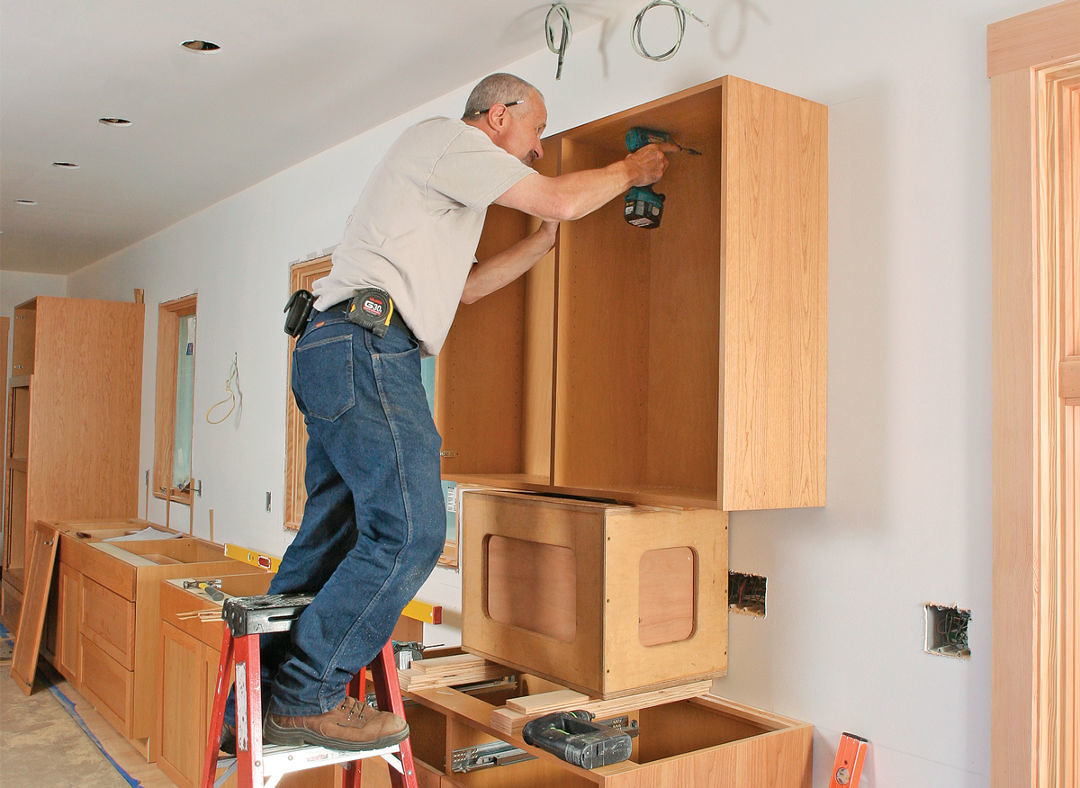
Line up the cabinet with the pilot holes on the wall studs. Drive screws through the cabinet into the studs using a drill or screwdriver. Tighten screws firmly but avoid over-tightening, which can damage the wood. Check that the cabinet is level and stable.
Anchoring Cabinets On Drywall
Anchoring kitchen cabinets on drywall can be tricky. Drywall alone does not hold heavy cabinets well. Proper anchors help secure cabinets safely and keep them stable. You must choose the right type of wall anchor and install it correctly to support the cabinet’s weight.
When Studs Are Not Available
Studs provide the best support for cabinets. But sometimes, you cannot find studs in the right spots. Drywall anchors become necessary in these cases. They spread the cabinet’s weight over a larger area of the drywall. This prevents damage and keeps cabinets firmly in place. Always check for studs first, then use anchors where needed.
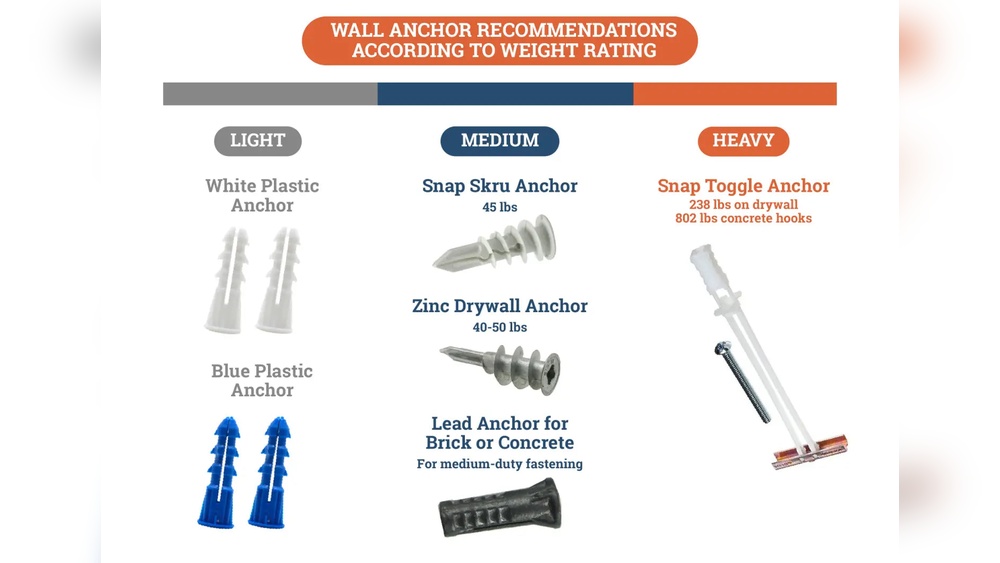
Types Of Wall Anchors
There are several types of wall anchors for drywall. Plastic expansion anchors work for light loads. They expand behind the drywall when you screw into them. Metal toggle bolts are stronger. They have wings that open behind the wall for more support. Molly bolts also expand inside the drywall and offer strong holding power. Choose anchors that fit your cabinet weight and wall type.
Installing Anchors Correctly
Start by marking where the cabinet will hang. Drill holes that match the anchor size. Insert the anchor gently without forcing it. Screw into the anchor slowly to expand it inside the wall. Test the anchor’s hold before mounting the cabinet. Tighten screws evenly to avoid cracking drywall. Proper installation ensures your cabinets stay secure for years.

Credit: www.amazon.com
Connecting Upper And Base Cabinets
Connecting upper and base cabinets creates a seamless look in your kitchen. It helps cabinets stay strong and aligned. This step is important before anchoring cabinets to the wall. Proper connection makes the whole setup safer and easier to use.
Aligning Cabinets
Start by placing the upper cabinet on top of the base cabinet. Check if both cabinets line up evenly at the edges. Use a level to make sure they are straight. Adjust the cabinets by moving them slightly until they match perfectly. Proper alignment prevents gaps and uneven surfaces.
Screwing Cabinets Together
Use long screws to join the upper and base cabinets through the side walls. Drill pilot holes first to avoid splitting the wood. Insert screws slowly to keep cabinets tight but avoid over-tightening. Secure screws at the top and bottom edges for better hold. This connection keeps cabinets from moving apart.
Ensuring Stability
After screwing, push cabinets firmly together. Check for any wobble or gaps between them. Use clamps if needed to hold cabinets in place while screwing. A strong bond improves cabinet stability and safety. This step supports the weight of shelves and kitchen items.
Final Checks And Adjustments
After anchoring your kitchen cabinets to the wall, it is important to complete final checks and adjustments. This step ensures your cabinets are secure, functional, and neat. Taking time here prevents future problems and keeps your kitchen safe.
Testing Cabinet Security
Gently push and pull each cabinet to check stability. There should be no wobbling or movement. Test the screws and anchors to confirm they hold tight. If any cabinet feels loose, tighten the fasteners carefully. A firm cabinet means a safe kitchen space.
Adjusting Doors And Drawers
Open and close all doors and drawers several times. Make sure they move smoothly without sticking. Adjust the hinges and slides if doors or drawers are uneven. Aligning them properly improves the cabinet’s look and function. Small tweaks here create big differences.
Cleaning Up Workspace
Clear away dust, wood shavings, and leftover tools. Use a vacuum or broom to tidy the floor. Wipe down cabinet surfaces to remove dirt and smudges. A clean workspace shows your job is complete and professional. It also prevents damage to your new cabinets.
Frequently Asked Questions
How Do I Find Studs For Anchoring Kitchen Cabinets?
Use a stud finder to locate studs behind the wall. Mark their positions with a pencil. Studs provide the strongest support for cabinet anchoring.
What Tools Are Needed To Anchor Kitchen Cabinets?
You need a drill, screws, stud finder, level, and screwdriver. These tools help ensure cabinets are securely and accurately anchored to walls.
Can I Anchor Kitchen Cabinets To Drywall Only?
No, drywall alone cannot support the weight of cabinets. Anchoring must be done into wall studs for safety and stability.
What Screw Size Is Best For Kitchen Cabinet Installation?
Use 3-inch wood screws to anchor cabinets into studs. They provide strong holding power without damaging the wall or cabinets.
Conclusion
Anchoring kitchen cabinets to the wall keeps them safe and steady. Use the right tools and follow clear steps. Check studs carefully before drilling holes. Tighten screws well to avoid wobbling. Take your time and work with care. Proper anchoring helps cabinets last longer.
Enjoy a neat and secure kitchen space. Simple steps make a big difference in safety and look. Now, your kitchen cabinets will stay strong and stable.