Are you struggling to hang something on your brick wall without damaging it? Putting a hook on a brick wall might seem tricky, but it doesn’t have to be.
With the right steps, you can securely hang your favorite decorations, lights, or tools without worry. In this guide, you’ll discover simple and effective techniques to get the job done right the first time. Keep reading, and you’ll soon have your hook in place—strong, stable, and safe for your wall.
Choosing The Right Hook
Choosing the right hook for a brick wall is important for a strong hold. The hook must fit the wall type and the weight of what you want to hang. Different hooks serve different purposes. Picking the right one avoids damage to the wall and keeps your items safe.
Types Of Hooks For Brick Walls
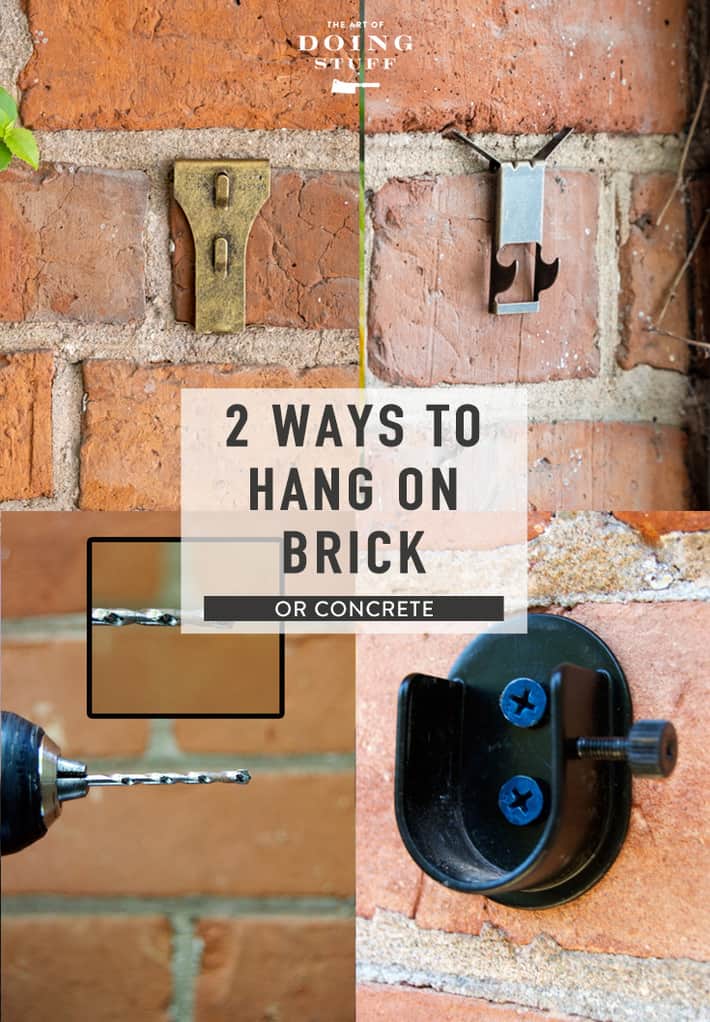
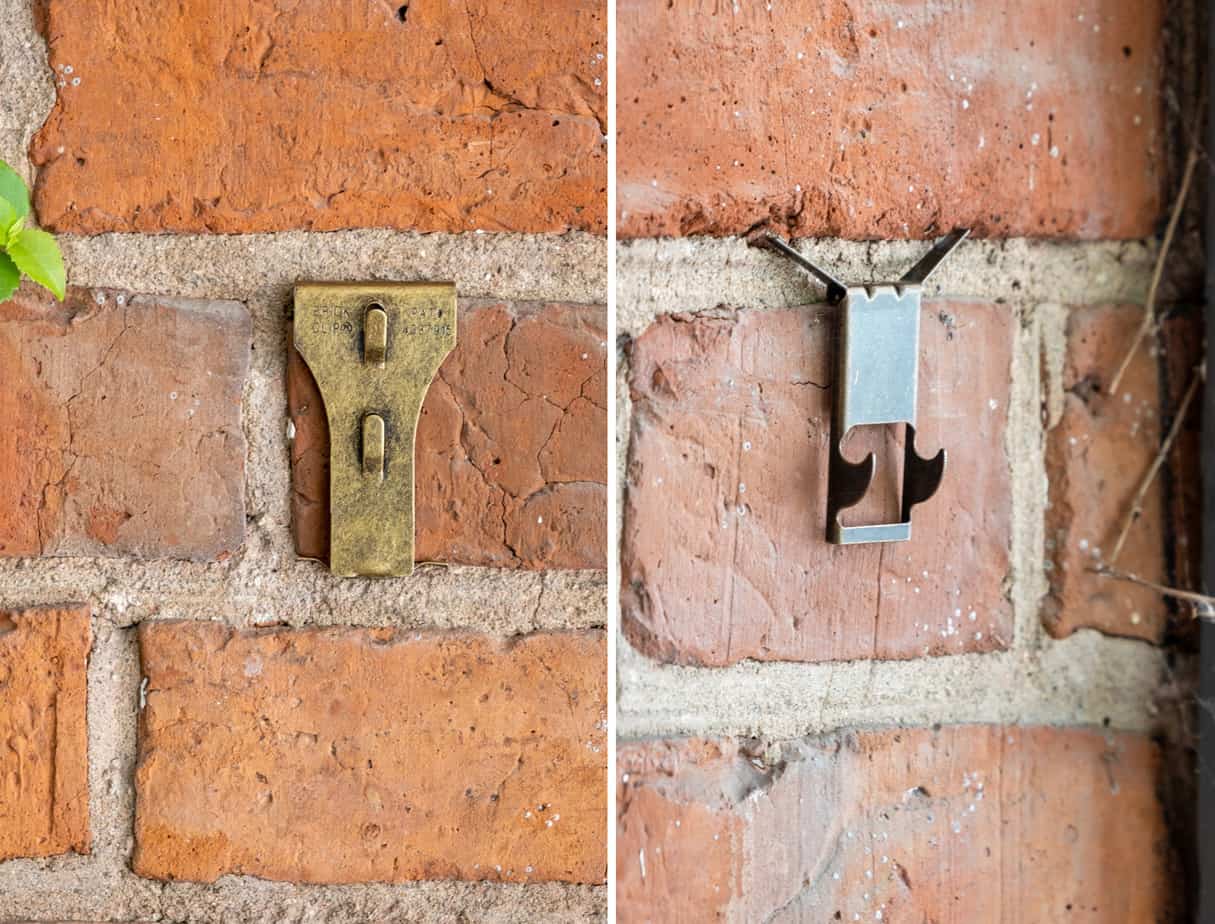
There are several hooks designed for brick walls. Masonry hooks have special anchors that fit into the brick or mortar. Screw-in hooks require drilling a small hole before use. Adhesive hooks stick without drilling but hold less weight. Choose based on how permanent and strong you want the hold.
Weight Capacity Considerations
Check the hook’s weight limit before buying. Heavy items need hooks with high weight capacity. Light decorations can use smaller, lighter hooks. Overloading a hook can cause it to fall and damage the wall. Always pick a hook rated for more than your item’s weight.
Material And Finish Options
Hooks come in steel, brass, and plastic. Steel hooks are strong and rust-resistant. Brass hooks look nice and resist corrosion. Plastic hooks are light but not very strong. The finish protects the hook from weather and wear. Choose a material that fits your style and weather conditions.
Tools And Materials Needed
Putting a hook on a brick wall needs the right tools and materials. These help make the job easier and safer. Preparing well saves time and avoids mistakes. Below are the key tools and materials you need to get started.
Drill And Drill Bits
A power drill is essential for making holes in brick. Choose a hammer drill if possible. It works faster on hard surfaces like brick. Use masonry drill bits. They are designed to drill through stone and brick easily. Pick the right size to fit your anchors and screws. Keep the drill steady while working to avoid damage.
Anchors And Screws
Anchors hold the hook firmly in the brick wall. Use plastic or metal anchors made for masonry. They expand inside the hole for a strong grip. Match the anchors to the screw size. Choose screws long enough to go through the anchor and into the wall. This ensures the hook can hold weight safely.
Safety Equipment
Protect yourself during drilling and installation. Wear safety goggles to guard your eyes from dust and debris. Use gloves to protect your hands from sharp edges. A dust mask helps avoid breathing in brick dust. Work in a well-ventilated area for fresh air. Safety gear keeps you safe and comfortable.
Preparing The Brick Wall
Preparing the brick wall is the first step to put a hook securely. A well-prepared surface ensures the hook stays strong and safe. This process helps avoid damage to the wall and the hook falling off later.
Selecting The Spot
Choose a solid part of the brick wall. Avoid areas with cracks or loose bricks. Pick a spot that can hold the hook’s weight. Make sure it is easy to reach and use.
Cleaning The Surface
Remove dust and dirt from the chosen spot. Use a brush or cloth for cleaning. A clean surface helps the hook stick better. Make sure the area is dry before drilling.
Marking Drill Points
Measure where the hook will go. Mark the exact points with a pencil. Double-check the marks to ensure they are level. Correct marks make drilling easier and accurate.

Credit: www.youtube.com
Drilling Into Brick
Drilling into brick requires care and the right tools. It is key to install a hook firmly without damaging the wall. The process may seem tough, but with the right steps, it becomes easy and safe. Understanding how to drill properly helps keep your brick wall strong and intact.
Choosing The Right Drill Bit
Select a masonry drill bit designed for bricks. These bits have a special tip to cut through hard surfaces. Avoid using regular wood or metal bits. The right bit makes drilling faster and cleaner. Check the size to match the wall anchor or hook you plan to use.
Drilling Technique
Start by marking the spot for the hole. Hold the drill steady and start at low speed. Apply gentle pressure to avoid slipping. Drill straight into the brick, not at an angle. Pause occasionally to clear dust from the hole. This helps the drill work better and last longer.
Avoiding Brick Damage
Do not drill near edges or cracks in the brick. Use a piece of tape over the spot to prevent the bit from sliding. Avoid pushing too hard, which can crack the brick. Let the drill do the work. Clean the hole of dust before inserting anchors or screws.
Installing The Anchor
Installing the anchor is a key step to hang a hook on a brick wall safely. The anchor holds the hook tight and stops it from falling. Choosing the right anchor and fixing it well makes sure the hook stays strong for a long time.
Types Of Anchors For Brick
There are many anchors for brick walls. Plastic anchors fit small hooks and light objects. Metal anchors work well for heavy items. Sleeve anchors expand inside the hole for a firm grip. Choose the anchor based on the hook size and weight it will hold.
Inserting The Anchor
First, drill a hole in the brick wall. Use a drill bit that matches the anchor size. Clean the hole from dust with a brush or air blower. Push the anchor into the hole gently. Tap it lightly with a hammer to fit it fully inside.
Ensuring A Secure Fit
Check the anchor is flush with the brick surface. Pull the anchor slightly to test its hold. If it moves, remove and try a bigger anchor or deeper hole. Tighten the hook into the anchor slowly to avoid breaking it. A secure anchor keeps the hook steady and safe.
Credit: www.theartofdoingstuff.com
Attaching The Hook
Attaching a hook to a brick wall is simple if you follow the right steps. It needs to be done carefully to hold weight securely. Use the correct tools and materials for the best results. Here is how to attach the hook firmly and safely.
Screwing In The Hook
Start by marking the spot on the brick where you want the hook. Use a drill with a masonry bit to make a hole. The hole should be the same size as the wall plug you will use. Insert the wall plug into the hole until it is flush with the surface. Then, screw the hook into the plug by hand or with a screwdriver. Make sure the hook is tight and does not move.
Testing Stability
Once the hook is in place, test its strength. Gently pull on the hook to check if it holds firm. Hang a light object to see if it stays secure. Do not use full weight yet. If the hook does not feel stable, remove it and try again.
Adjusting If Necessary
If the hook feels loose, remove it and check the hole. The hole might be too big or the wall plug not tight enough. Try a larger wall plug or a different size drill bit. Reinsert the plug and screw the hook back in. Test the hook again before hanging heavy items.
Tips For Long-lasting Hold
Securing a hook on a brick wall requires more than just drilling a hole. To ensure the hook stays strong over time, follow some simple tips. These help keep the hold firm and prevent damage to the wall or the hook.
Small steps make a big difference. Focus on the right weight, regular checks, and protection from weather. These tips help your hook hold for years.
Avoiding Overloading
Do not hang items heavier than the hook’s limit. Overloading causes the hook to loosen or break. Use hooks designed for the weight you need. Spread heavy loads across multiple hooks if needed.
Regular Inspection
Check your hooks often for signs of wear or damage. Look for cracks in the wall or loose screws. Tighten screws or replace hooks if needed. Regular checks catch problems early before they cause falls.
Weatherproofing Considerations
Protect hooks from rain, snow, and sun damage. Use rust-resistant hooks or add a sealant to metal parts. Cover hooks or use protective caps to prevent corrosion. Proper weatherproofing keeps hooks strong longer.
Credit: www.theartofdoingstuff.com
Frequently Asked Questions
What Tools Are Needed To Put A Hook On A Brick Wall?
You need a drill, masonry bit, hammer, wall plugs, screws, and a hook. Use safety goggles and gloves for protection. These tools ensure a secure and stable hook installation on brick walls.
How Do You Choose The Right Hook For Brick Walls?
Select hooks designed for heavy loads and brick surfaces. Metal hooks with wall anchors work best. Consider weight capacity and hook size to match your hanging needs.
Can I Drill Directly Into Brick Or Mortar?
Drilling into brick is stronger but trickier. Mortar is easier to drill but less durable. For heavy items, drill directly into brick for a secure hold.
How Deep Should The Hole Be For Wall Anchors?
Drill holes about 1. 5 inches deep or as per anchor instructions. Proper depth ensures the anchor fits tightly and supports weight safely.
Conclusion
Putting a hook on a brick wall is simple with the right steps. Choose the right drill bit and anchor for strong hold. Mark the spot carefully and drill straight. Insert the anchor tightly before screwing in the hook. This method keeps your items safe and secure.
Now, you can hang pictures, plants, or tools easily. Just follow these steps, and your wall will stay damage-free. Enjoy your neat and organized space without any hassle.