Are you struggling to hang something heavy on your plaster walls without worrying it will fall? Installing plastic wall anchors is the simple solution you need.
But if you’re unsure how to do it right, you might end up damaging your walls or having your items come loose. In this guide, you’ll learn exactly how to install plastic wall anchors in plaster safely and securely. Follow these easy steps, and you’ll gain the confidence to hang shelves, mirrors, or artwork with ease.
Keep reading to make your walls strong and your decorations flawless.
Credit: www.reddit.com
Tools And Materials Needed
Installing plastic wall anchors in plaster requires specific tools and materials. These help make the job easier and safer. Using the right items ensures the anchors hold firmly and the wall stays intact.
Gather everything before starting. This saves time and avoids mistakes. Below are the main tools and materials you need.
Types Of Plastic Wall Anchors
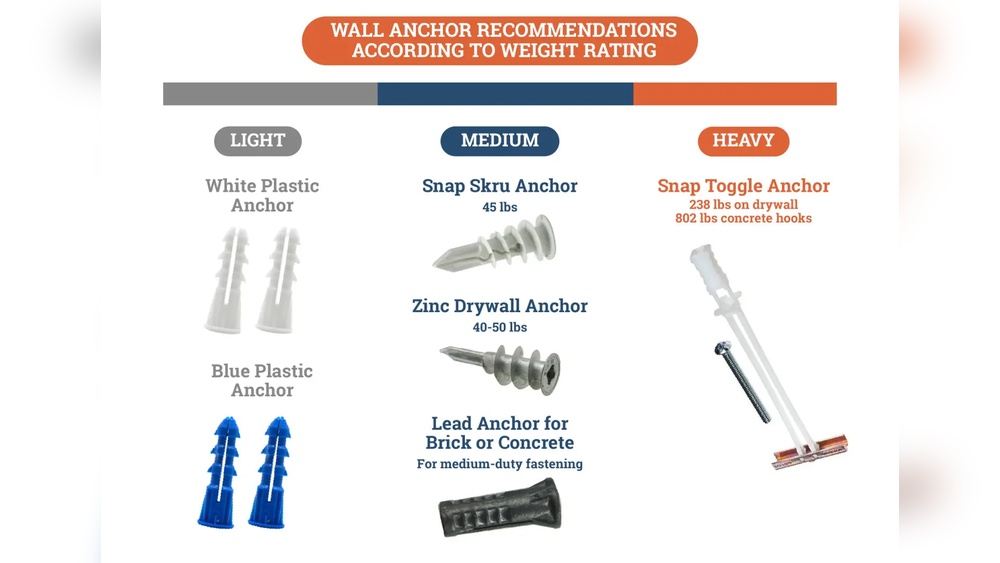
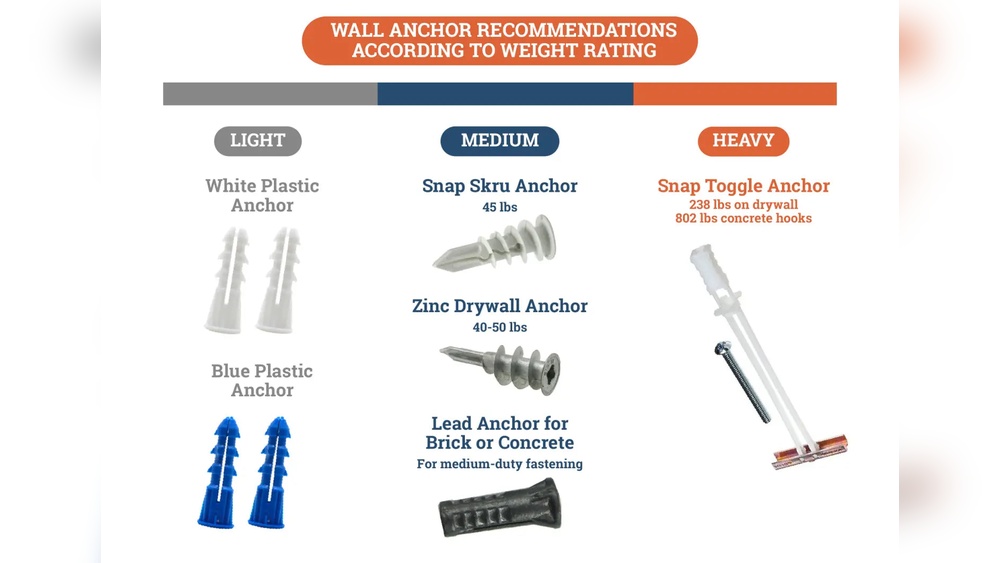
There are several types of plastic wall anchors. The most common are expansion anchors, toggle anchors, and self-drilling anchors. Expansion anchors expand inside the wall for a tight hold. Toggle anchors have wings that open behind the plaster. Self-drilling anchors cut their own hole as you screw them in.
Choose the type based on the weight you want to support and the wall condition. For plaster walls, expansion anchors often work well.
Choosing The Right Drill Bit
Select a drill bit that matches the anchor size. The hole must be just big enough for the anchor to fit snugly. Too big, and the anchor won’t hold. Too small, and you risk cracking the plaster.
Use a masonry or multi-purpose bit for drilling into plaster. Check the anchor package for recommended drill bit size.
Safety Equipment
Protect yourself while drilling. Wear safety goggles to shield your eyes from dust and debris. Use a dust mask to avoid inhaling plaster particles. Gloves can protect your hands from sharp tools.
Work in a well-ventilated area. Keep your workspace clean to prevent accidents.
Preparing The Plaster Wall
Preparing the plaster wall is a key step before installing plastic wall anchors. It ensures the anchors hold firmly and the wall stays intact. Taking time to prepare the wall avoids damage and makes the installation easier. Follow these simple steps to get ready.
Locating The Spot For Anchors
Choose the exact spot where you want to place the anchor. Make sure the area is flat and free of cracks. Avoid spots near edges or corners to prevent plaster from breaking. Use a stud finder if you want extra support, but plastic anchors work well in plaster alone.
Marking The Drill Points
Use a pencil to mark the spots clearly. Mark the center of each anchor hole. Double-check the spacing between holes for balance and strength. Keep marks small and precise to guide your drilling accurately. Clear marks help avoid mistakes during drilling.
Checking For Wires And Pipes
Use a wire detector or pipe scanner to find hidden wires or pipes. Avoid drilling near electrical cables or plumbing. This keeps you safe and prevents costly repairs. If you detect wires or pipes, move your marks to a safe area. Safety is the top priority while preparing the wall.
Drilling The Hole
Drilling the hole is the key step to install plastic wall anchors in plaster walls. It needs care and the right method to avoid damage. A clean, properly sized hole ensures the anchor fits well and holds strong.
This section covers how to choose drill speed, drill without cracking, and clean the hole. These tips make your work easier and protect your plaster walls.
Selecting The Drill Speed
Choose a slow to medium drill speed for plaster. High speed can cause heat and cracks. A steady speed helps control the drill and prevents damage. Use a drill speed between 500 and 1000 RPM for best results.
Drilling Without Cracking
Start by marking the drilling spot clearly. Use a small drill bit first to make a pilot hole. Drill slowly and press gently. Avoid pushing too hard, which can crack plaster. Keep the drill straight and steady for a clean hole.
Cleaning The Hole
After drilling, remove dust and debris from the hole. Blow air or use a small brush to clean inside. A clean hole helps the anchor grip better. Check the hole size before inserting the anchor to ensure a snug fit.
Inserting The Plastic Wall Anchor
Inserting a plastic wall anchor into plaster requires care and precision. The right steps help the anchor hold strong and support your item safely. Follow each step closely for the best results.
Aligning The Anchor
Place the plastic anchor at the hole in the plaster. Make sure it is straight and centered. If it tilts, the anchor may not hold well.
Tapping The Anchor Gently
Use a small hammer or mallet to tap the anchor softly. Tap it until it moves into the wall just enough. Avoid hitting too hard to prevent cracking the plaster.
Ensuring A Flush Fit
The anchor should sit flush with the wall surface. It must not stick out or sink too deep. This fit ensures stability and a neat appearance.
Securing The Screw
Securing the screw is a key step in installing plastic wall anchors in plaster. This step ensures your item stays firmly attached to the wall. Proper screw installation prevents damage to plaster and keeps the anchor strong.
Choosing The Correct Screw Size
Select a screw that fits well with the anchor size. Too large a screw can crack the plaster. Too small a screw will not hold tightly. Check the anchor package for recommended screw sizes. Match the screw length to the thickness of your item and wall.
Driving The Screw Into The Anchor
Place the screw tip into the anchor hole gently. Use a screwdriver or drill on a low setting. Turn the screw slowly to avoid stripping the anchor. Stop when the screw head is flush with the item’s surface. Do not overtighten, or the plaster may crack.
Checking For Stability
After driving the screw, test the hold by gently pulling. The screw should not move or feel loose. Wiggle the item slightly to check firmness. If loose, remove the screw and try a larger size. A stable screw ensures your item stays safe on the wall.
:max_bytes(150000):strip_icc()/how-to-use-and-discard-anchor-screws-1822671-Final-ec8091ccf65241b1b1f888549f25003a.jpg)
Credit: www.thespruce.com
Common Mistakes To Avoid
Installing plastic wall anchors in plaster needs care. Many make simple mistakes that cause problems. Avoid these errors to get strong, lasting support for your items. Follow clear steps and check your work carefully.
Using The Wrong Anchor Type
Choose anchors made for plaster walls. Some anchors fit drywall but fail in plaster. Wrong anchors can crack the wall or not hold weight. Check the package to confirm the anchor suits plaster.
Over-tightening The Screw
Stop tightening as soon as the anchor feels secure. Too much force can break the anchor or damage the plaster. Tighten screws gently and test for firmness. Loose screws can fall out, but too tight causes cracks.
Ignoring Wall Condition
Inspect the plaster before drilling. Old or crumbly plaster needs repair first. Anchors won’t hold in damaged walls. Clean dust and debris from the hole. Good surface condition helps anchors grip tightly and hold weight well.
Tips For Heavy-duty Support
Heavy-duty support is key when hanging heavy items on plaster walls. Regular anchors may not hold strong enough. Use special tips to increase strength and safety. This will help avoid damage and keep your items secure.
Using Multiple Anchors
Spread the weight across several anchors. This reduces stress on one spot. Place anchors evenly around the item. It helps balance the load on the wall. Use enough anchors to support the full weight.
Selecting Heavy-duty Anchors
Choose anchors made for heavy loads. Metal anchors or toggle bolts work well. Plastic anchors may not hold enough weight alone. Check the weight rating on the package. Pick anchors with a higher capacity than needed.
Reinforcing The Wall Area
Strengthen the plaster before anchoring. Add a piece of wood behind the wall if possible. This spreads the weight and prevents cracking. Use a stud finder to locate studs. Anchoring into studs offers the best support.

Credit: www.reddit.com
Frequently Asked Questions
What Types Of Plastic Anchors Work Best In Plaster?
Plastic anchors with wide flanges and coarse threads hold best in plaster. They prevent cracking and provide strong support for light to medium loads.
How Do You Prepare Plaster Walls Before Anchor Installation?
Clean the surface and mark the spot precisely. Drill a pilot hole slightly smaller than the anchor diameter for a secure fit.
Can I Install Wall Anchors Without A Drill?
Using a drill is highly recommended for precision. Without it, anchors may not fit well or hold securely in plaster walls.
How Deep Should I Drill For Plastic Wall Anchors?
Drill a hole slightly deeper than the anchor length. This allows the anchor to fully expand and grip the plaster securely.
Conclusion
Installing plastic wall anchors in plaster is simple with the right steps. Drill a proper hole size and insert the anchor carefully. Tighten screws slowly to avoid cracking the plaster. This method gives strong support for your wall items. Practice patience and take your time for best results.
Use these tips to complete your project with confidence and ease.