Are you struggling to hang shelves, pictures, or heavy items on your walls without worrying they might fall? Choosing the right wall anchor can make all the difference between a secure hold and a disaster waiting to happen.
But with so many types out there, how do you know which one is best for your project? You’ll discover simple tips and expert advice to help you pick the perfect wall anchor every time. Keep reading, and say goodbye to loose screws and damaged walls for good.
Types Of Wall Anchors
Wall anchors come in many types. Each serves a different purpose and holds different weights. Choosing the right one ensures your items stay secure on the wall. Understanding each type helps you pick the best anchor for your project.
Plastic Expansion Anchors
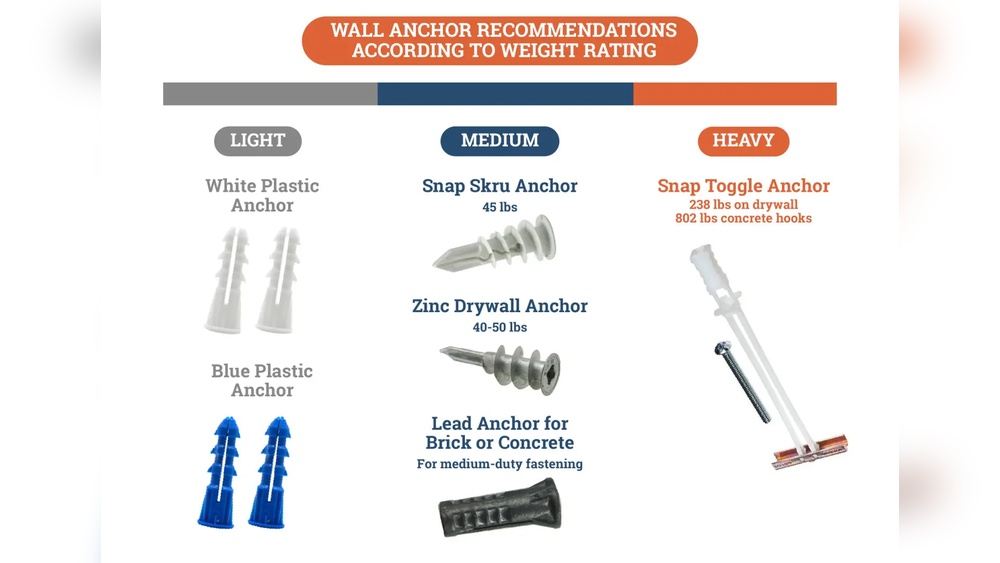
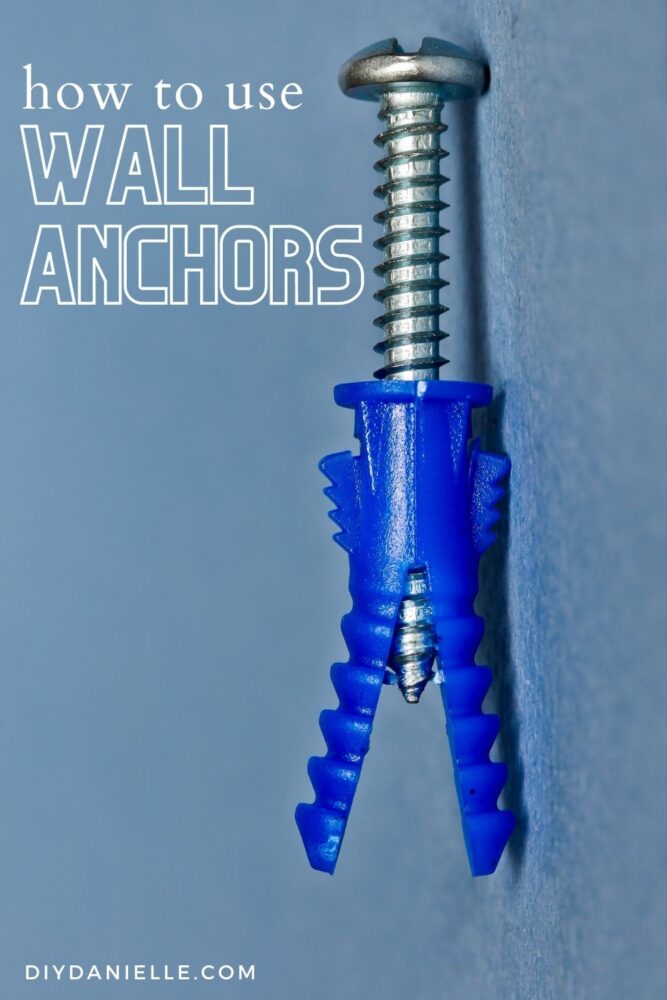
Plastic expansion anchors work well with light loads. They fit into drywall or masonry holes. When you insert a screw, the anchor expands. This expansion holds the anchor tightly inside the wall. Use these for small pictures or lightweight shelves.
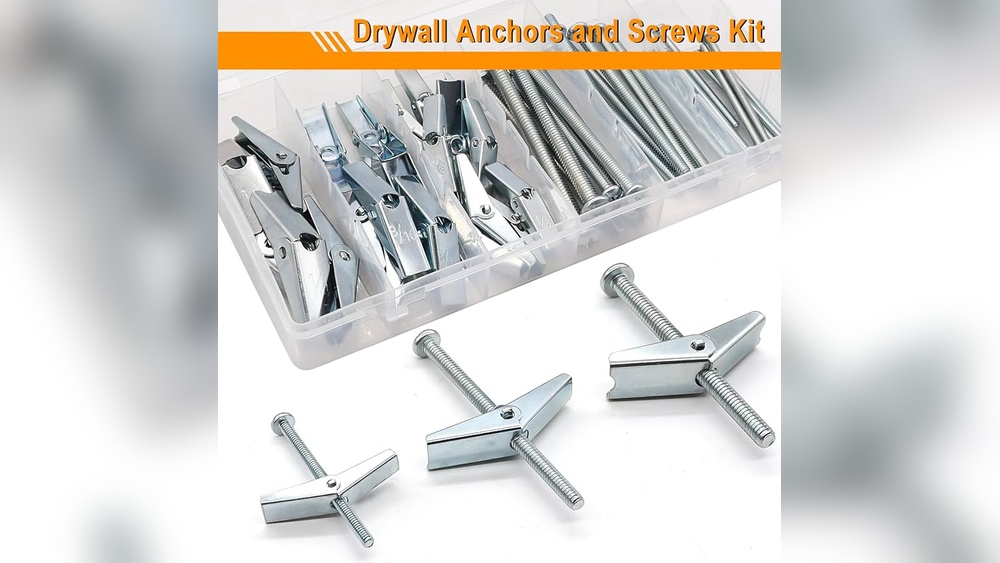
Toggle Bolts
Toggle bolts are strong and good for heavy items. They have metal wings that open inside the wall cavity. The wings spread the load over a larger area. This makes toggle bolts ideal for hollow walls. Use them for hanging heavy mirrors or large shelves.
Molly Bolts
Molly bolts provide a secure hold in drywall. They have a metal sleeve that expands behind the wall. This expansion creates a strong grip. Molly bolts are reusable and hold medium to heavy loads. They work well for cabinets and curtain rods.
Self-drilling Anchors
Self-drilling anchors do not need a pre-drilled hole. They have sharp threads that cut into drywall. This makes installation quick and easy. They hold medium loads and are good for many DIY projects. Use them for mounting hooks or small shelves.
Heavy-duty Anchors
Heavy-duty anchors hold very heavy items securely. They come in various types, like metal anchors or large toggle bolts. These anchors are designed for thick walls or concrete. Use them for heavy cabinets, large TVs, or heavy mirrors. Always check the weight limit before use.
Matching Anchors To Wall Materials
Choosing the right wall anchor depends on the type of wall you have. Different walls need different anchors for a strong hold. Using the wrong anchor can cause damage or weak support. Match the anchor to the wall material for the best results.
Drywall Anchors
Drywall is soft and hollow behind the surface. It cannot hold heavy items with screws alone. Plastic expansion anchors and self-drilling anchors work well here. They spread the weight and prevent the screw from pulling out.
Concrete And Masonry Anchors
Concrete walls are very hard and dense. Use anchors made for solid materials like sleeve anchors or wedge anchors. Drill a hole first, then insert the anchor. These anchors expand inside the hole to hold tight.
Plaster Wall Anchors
Plaster walls are brittle and can crack easily. Use anchors that cause less pressure, such as toggle bolts or molly bolts. These anchors spread the load behind the wall and reduce damage risk.
Brick Wall Anchors
Brick walls are strong but have gaps between bricks. Use anchors designed for brick, like sleeve anchors or masonry screws. Drill into the mortar or brick carefully for a secure hold. Avoid cracking the brick by using the right drill bit.
Weight Capacity And Load Considerations
Choosing the right wall anchor depends heavily on understanding weight capacity and load. This ensures your items stay safe and secure on the wall. Wrong choices can cause damage or accidents. Knowing how much weight the anchor can hold is key to a strong and lasting fix.
Determining Load Requirements
First, estimate the weight of the item you want to hang. Include all parts like shelves, frames, or decorations. Think about extra weight from people or objects touching the item. This total weight is your load requirement. Be honest and careful in this step to avoid mistakes.
Safety Margins
Always add a safety margin to your load estimate. Multiply the weight by at least 1.5 to 2 times. This margin covers unexpected forces or weight increases over time. It also protects against weak spots in the wall. Safety margins make your setup more reliable and long-lasting.
Anchor Strength Ratings
Look at the strength ratings on anchor packages. These numbers tell the maximum weight the anchor can hold. Compare the rating with your load plus safety margin. Choose an anchor with a higher rating than your total weight. This simple check prevents failures and keeps your walls safe.

Credit: www.youtube.com
Installation Tips For Secure Holds
Installing wall anchors correctly is key to a strong hold. Poor installation can cause damage or weak support. Follow simple tips for secure and lasting results. Take time to prepare and use the right tools.
Proper Drilling Techniques
Use a drill bit that matches the anchor size. Drill straight into the wall to avoid angled holes. Drill slowly and stop when you reach the correct depth. Clean out dust from the hole before inserting the anchor. This helps the anchor fit tightly and hold better.
Avoiding Wall Damage
Mark the spot clearly before drilling. Check for wires or pipes behind the wall. Use a stud finder to avoid drilling into studs or wiring. Drill carefully to prevent cracks or chips in the wall. Use anchors suited for your wall type to reduce damage risk.
Tools You Need
Gather a drill, drill bits, screwdriver, and a level. A stud finder and tape measure help with placement. Use a hammer gently if needed to insert anchors. Have a vacuum or brush to clean dust from holes. Proper tools make installation easier and safer.
Common Mistakes To Avoid
Choosing the right wall anchor can be tricky in some situations. Some projects require extra care and skill. Knowing when to get professional help saves time and avoids damage. Professionals have the tools and knowledge to handle tough jobs safely.
Complex Wall Structures
Walls with unusual materials or layers need expert handling. Professionals can identify the best anchor type for these walls. They avoid mistakes that can weaken the wall or cause damage. Complex walls include brick, concrete, or drywall with hidden studs.
Heavy Or Valuable Items
Heavy items need strong support to stay secure. Valuable objects require extra caution to prevent accidents. Experts know how to choose anchors that hold weight safely. They ensure your items stay in place without risk of falling.
Uncertain Wall Conditions
Old or damaged walls may hide problems beneath the surface. Professionals can assess wall strength and condition accurately. They recommend anchors that suit the wall’s current state. This prevents further damage and ensures safe installation.
Credit: diydanielle.com

Credit: www.youtube.com
Frequently Asked Questions
What Types Of Wall Anchors Are Best For Drywall?
Plastic expansion anchors work well for light loads in drywall. For heavier items, use toggle bolts or molly bolts. These anchors distribute weight better and prevent damage. Choose based on weight and wall thickness for optimal support.
How To Determine The Right Anchor Size For Walls?
Match the anchor size to the screw and weight of the object. Use larger anchors for heavier items. Check packaging for weight limits and wall compatibility. Proper sizing ensures secure mounting and prevents wall damage.
Can Wall Anchors Be Used On Concrete Or Brick?
Yes, specific anchors like sleeve anchors or masonry anchors suit concrete and brick. These anchors expand to grip hard surfaces tightly. Use a hammer drill to make pilot holes before installing. Always select anchors designed for masonry for best results.
How Do I Know If A Wall Anchor Will Hold Weight?
Check the anchor’s weight rating on the package. Consider the wall material and object weight. For safety, choose anchors rated higher than your item’s weight. Proper installation also affects holding strength. When in doubt, consult product guidelines or a professional.
Conclusion
Choosing the right wall anchor protects your walls and holds your items safely. Think about the wall type and the weight of what you hang. Use anchors made for your specific needs to avoid damage. Always follow instructions for the best results.
Good anchors make your space stronger and look better. Take your time to pick the right one. This small step saves you from big problems later.