
Are you struggling to hang something sturdy on a hollow wall? You’re not alone.
Hollow wall anchors are the secret to making your shelves, mirrors, or frames stay put without falling. But if you’ve never used them before, the process can seem tricky. Don’t worry—this guide will walk you through every step. By the end, you’ll know exactly how to screw in hollow wall anchors like a pro, saving you time, frustration, and potential damage to your walls.
Keep reading, and let’s get your project securely mounted!

Credit: www.concretefasteners.com
Types Of Hollow Wall Anchors
Hollow wall anchors come in different types. Each type works best for specific tasks. Choosing the right anchor makes your project safe and strong.
These anchors support screws in drywall or hollow walls. They hold items like shelves, frames, or mirrors firmly. Learn about the main types below.
Plastic Expansion Anchors
Plastic expansion anchors are simple and affordable. They are best for light loads. Insert the anchor into a drilled hole. The screw expands the anchor, gripping the wall tightly.
Use these in drywall or plaster walls. They are easy to install with basic tools. Avoid heavy items with these anchors.
Metal Molly Bolts
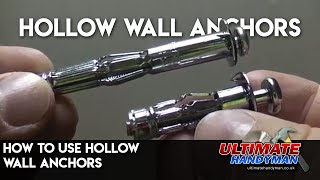
Metal molly bolts offer stronger support. They have a metal sleeve that expands behind the wall. This creates a secure hold for medium-weight objects.
Insert the bolt, then tighten the screw. The sleeve opens inside the wall cavity. Molly bolts work well for shelves and cabinets.
Toggle Bolts
Toggle bolts provide the strongest hold in hollow walls. They have spring-loaded wings that open inside the wall. This spreads the load over a large area.
Use toggle bolts for heavy items like large mirrors or TV mounts. Drill a big enough hole for the wings. Then push the bolt through and tighten it.

Credit: www.concretefasteners.com
Tools And Materials Needed
Before you start screwing in hollow wall anchors, gather the right tools and materials. Having these ready makes the job easier and faster. Each tool has a specific role to help you install anchors properly and securely.
Use only the tools listed here to avoid mistakes. Let’s explore the essential items you need.
Drill And Drill Bits
A drill is needed to make holes in the wall. Choose drill bits that match the size of your hollow wall anchors. Using the right size drill bit ensures a snug fit for the anchor. Avoid using bits that are too big or too small to keep anchors stable.
Screwdriver And Screws
Use a screwdriver to insert screws into the anchors. Pick screws that fit the anchors perfectly. A manual or electric screwdriver works well. The right screw size prevents damage to the anchor and wall.
Measuring Tape And Pencil
Measure the spot on the wall carefully with a measuring tape. Mark the exact place to drill using a pencil. Accurate marking helps avoid wrong hole placement. This step ensures your anchor holds weight evenly and safely.
Preparing The Wall
Preparing the wall is an important step before screwing in hollow wall anchors. It ensures that the anchor holds well and the item stays secure. Taking time to prepare makes the job easier and safer.
Choosing The Right Location
Select a spot on the wall that can support the weight of your item. Avoid areas with electrical wires or pipes behind. Use a stud finder or tap the wall to check for studs or hollow spaces. Choose a flat surface without cracks or damage.
Marking The Drill Point
Mark the exact point where the anchor will go. Use a pencil to make a small dot. Measure carefully to keep the placement level and straight. Double-check the mark before drilling to avoid mistakes.
Drilling The Pilot Hole
Use a drill bit that matches the anchor size. Drill slowly and steadily to avoid damaging the wall. Make the hole just deep enough for the anchor to fit. Clean out dust from the hole for better grip.
Inserting The Anchor
Inserting a hollow wall anchor needs care and the right technique. The anchor must fit tightly inside the wall. This ensures strong support for the item you want to hang. Different anchors need different steps. Below are clear instructions for three common types.
Fitting Plastic Anchors
Plastic anchors are simple and light-duty. Start by drilling a hole in the wall matching the anchor size. Push the plastic anchor into the hole until it is flush with the wall surface. Use a hammer gently if needed. Avoid forcing it too hard to prevent damage.
Once the anchor is set, insert the screw slowly. Turn it clockwise until it grips tightly. Do not over-tighten. The anchor expands inside the wall, holding firm.
Installing Molly Bolts
Molly bolts are metal anchors with expanding arms. Drill a hole slightly larger than the bolt. Insert the molly bolt into the hole. Push it until the flange rests against the wall.
Use a screwdriver to tighten the bolt screw. As you tighten, the arms expand behind the wall. This expansion locks the bolt in place. Stop tightening when you feel resistance. The bolt should hold securely without moving.
Setting Toggle Bolts
Toggle bolts have spring-loaded wings that open inside the wall. Drill a hole big enough for the folded wings. Thread the screw into the toggle but leave it loose.
Push the toggle through the hole. The wings will open behind the wall. Pull the screw gently to set the wings flat. Tighten the screw carefully to secure the anchor. The toggle bolt offers strong support for heavy items.
Securing The Screw
Securing the screw in a hollow wall anchor is key to a strong hold. Properly tightening the screw ensures the anchor spreads inside the wall. This spreading locks the anchor in place, supporting weight safely. Follow simple steps to secure the screw without damaging your wall or the anchor.
Selecting The Correct Screw
Choose a screw that fits the anchor size. Too long or too short screws can cause problems. The screw should match the thickness of the anchor and the item you hang. Use screws with the right thread type for hollow wall anchors. This choice helps the screw grip tightly and hold firm.
Driving The Screw Properly
Start turning the screw slowly by hand or with a screwdriver. Keep the screw straight to avoid bending or breaking. Tighten the screw until you feel resistance. Stop before the screw is too tight. Over-tightening can damage the wall or the anchor. A steady, gentle push works best for a strong hold.
Checking For Firmness
After tightening, test the screw’s firmness by gently pulling or pushing. The screw should not move or wiggle. If it feels loose, tighten it a little more. Do not force it too hard. A firm screw means the anchor has spread inside the wall correctly. This firmness ensures your item stays secure and safe.
Common Mistakes To Avoid
Installing hollow wall anchors may seem easy, but many people make simple mistakes. These errors can weaken the hold or damage your wall. Avoiding these common pitfalls will help your project succeed. Pay close attention to drill size, screw tightness, and weight limits. These factors matter a lot.
Using Incorrect Drill Size
Choosing the wrong drill bit size causes trouble. Too small a hole makes it hard to insert the anchor. The anchor may break or bend. Too large a hole makes the anchor loose. It will not grip the wall properly. Always match the drill bit size to the anchor instructions. This ensures a snug fit and strong hold.
Over-tightening Screws
Tightening screws too much damages the anchor and wall. The anchor can crack or pull out. The wall surface may crumble around the hole. Tighten screws until firm, not forced. Stop as soon as the object feels secure. Gentle pressure keeps the anchor stable and the wall safe.
Ignoring Weight Limits
Every anchor has a weight limit. Exceeding this limit causes failure. The anchor may pull out or collapse. Check the package for maximum weight. Use the right anchor for the job. For heavy items, choose stronger anchors or more support points. Safety depends on respecting weight limits.
Tips For Stronger Fixings
Securing hollow wall anchors properly ensures your fixtures stay safe and stable. Strong fixings hold weight better and last longer. Use these tips for better results.
Using Anchors Suitable For Load
Choose anchors that match the weight of your item. Light anchors fail under heavy loads. Check the packaging for weight limits. Pick stronger anchors for heavier items like shelves or mirrors. This step prevents damage to walls and keeps your items secure.
Pre-drilling With Care
Drill holes carefully to avoid wall damage. Use a drill bit that fits the anchor size exactly. Too big holes make anchors loose. Too small holes make it hard to insert anchors. Drill slowly and straight. This helps anchors grip the wall firmly.
Regular Inspection And Maintenance
Check your fixings regularly for looseness or damage. Tighten screws if needed. Replace anchors that show signs of wear or cracking. Routine checks prevent accidents and keep your fixtures safe. Small fixes today save bigger repairs later.
Credit: www.youtube.com
Frequently Asked Questions
What Tools Do I Need For Hollow Wall Anchors?
You need a drill, screwdriver, hammer, and the correct size hollow wall anchors. A tape measure helps too. These tools ensure proper installation and secure mounting on hollow walls.
How Do I Prepare The Wall For Anchors?
First, mark the drill spot, then drill a hole matching anchor size. Clear debris to ensure a snug fit. Proper prep prevents damage and secures the anchor firmly.
Can Hollow Wall Anchors Hold Heavy Objects?
Yes, but weight limits vary by anchor type and wall material. Always check anchor specifications. For very heavy items, use specialized anchors or studs for safety.
How Do I Screw In Hollow Wall Anchors Correctly?
Insert the anchor into the drilled hole, then screw it in slowly. Avoid over-tightening to prevent wall damage. Proper screwing expands the anchor, securing it firmly.
Conclusion
Screwing in hollow wall anchors is simple with the right steps. Start by choosing the correct anchor size. Drill a hole carefully and insert the anchor firmly. Then, screw in the fastener until it feels tight and secure. This method keeps your items stable on hollow walls.
Practice makes perfect, so try on scrap material first. Use these tips to hang shelves, pictures, or mirrors safely. Your walls will hold strong, and your work will look neat. Keep these steps handy for any future projects.


