Are you struggling to stand walls securely on anchor bolts? Getting this right is crucial for the strength and safety of your structure.
If your walls aren’t properly anchored, they can shift or collapse, causing costly damage and delays. But don’t worry—this guide will walk you through the exact steps you need to take to stand walls firmly on anchor bolts. By the end, you’ll have the confidence and know-how to tackle this task like a pro.
Ready to build stronger, safer walls? Let’s dive in.

Credit: www.youtube.com
Preparing Anchor Bolts
Preparing anchor bolts is a key step in standing walls securely. Proper preparation ensures walls hold strong and stay stable over time. Taking time to prepare anchor bolts carefully helps avoid costly errors during construction. Follow clear steps to set anchor bolts right for a solid base.
Choosing The Right Bolts
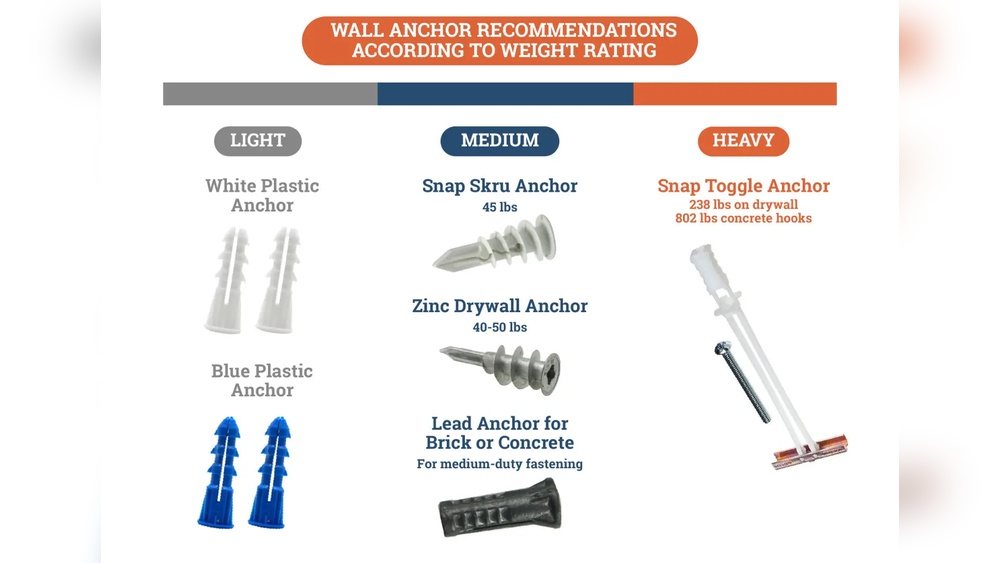
Select bolts that match the wall’s weight and type. Use bolts made from strong, rust-resistant materials. The length and diameter must fit the wall design. Choose bolts with enough strength to hold the load safely. Never use weak or damaged bolts.
Setting Bolt Positions
Mark bolt positions clearly on the foundation before placing them. Space bolts evenly to spread the wall’s weight. Keep bolt locations precise to match the wall frame. Check measurements twice to avoid mistakes. Correct spacing prevents wall movement and damage.
Ensuring Proper Alignment
Align bolts vertically to match wall studs exactly. Use a level or laser tool for accuracy. Proper alignment helps bolts hold the wall firmly. Misaligned bolts cause instability and can weaken the structure. Confirm all bolts stand straight before fixing them in place.
Foundation Requirements
Strong foundations are key to standing walls on anchor bolts. The base must support the weight and keep the structure stable. Proper foundation work prevents future problems like tilting or cracking.
Before installing walls, check the foundation carefully. Follow these steps to ensure the base is ready for the anchor bolts and the wall frame.
Concrete Base Preparation
The concrete base should be clean and dry. Remove dirt, dust, and loose particles. Smooth any rough spots or cracks. This helps the anchor bolts hold tightly. A flat surface is necessary for proper wall placement.
Bolt Embedment Depth
Anchor bolts must go deep enough into the concrete. Check the plan for the exact depth. Too shallow, and the bolts can loosen. Too deep, and they may not align with the wall. Correct depth ensures strong and secure fastening.
Checking For Level And Plumb
Use a level tool to check the concrete surface. The base must be level side to side and front to back. After placing bolts, check if they are straight up and down. Correct alignment keeps the walls steady and vertical.
Wall Assembly Techniques
Wall assembly techniques are important for strong and safe construction. Standing walls on anchor bolts requires careful steps. These steps help ensure the walls stay in place and the structure remains stable.
Each step must be done with care. Proper positioning, securing, and support are key parts of the process.
Positioning Wall Frames
Start by placing the wall frames over the anchor bolts. Align the holes in the bottom plate with the bolts. Check the frame for straightness and level. Use a carpenter’s level to confirm vertical and horizontal alignment. Make sure the frame sits flat on the foundation. Correct positioning prevents problems later.
Securing Walls To Bolts
Once positioned, secure the wall frames using nuts and washers. Tighten the nuts firmly to hold the wall in place. Avoid over-tightening, which can damage the frame or bolts. Use a wrench to get the right tightness. Double-check that all bolts are fastened evenly. Proper securing keeps the wall stable and safe.
Using Temporary Supports
Temporary supports hold the walls upright during assembly. Use braces made of wood or metal. Attach these supports to the wall and foundation. Place supports at an angle for best strength. Check that the supports do not block work areas. Remove supports only after the wall is fully secured and stable.
Tools And Equipment Needed
Setting walls on anchor bolts requires the right tools and equipment. Proper tools make the job safer and easier. Using the correct gear helps align walls accurately and securely. This section covers the must-have tools and safety gear for the task.
Essential Hand Tools
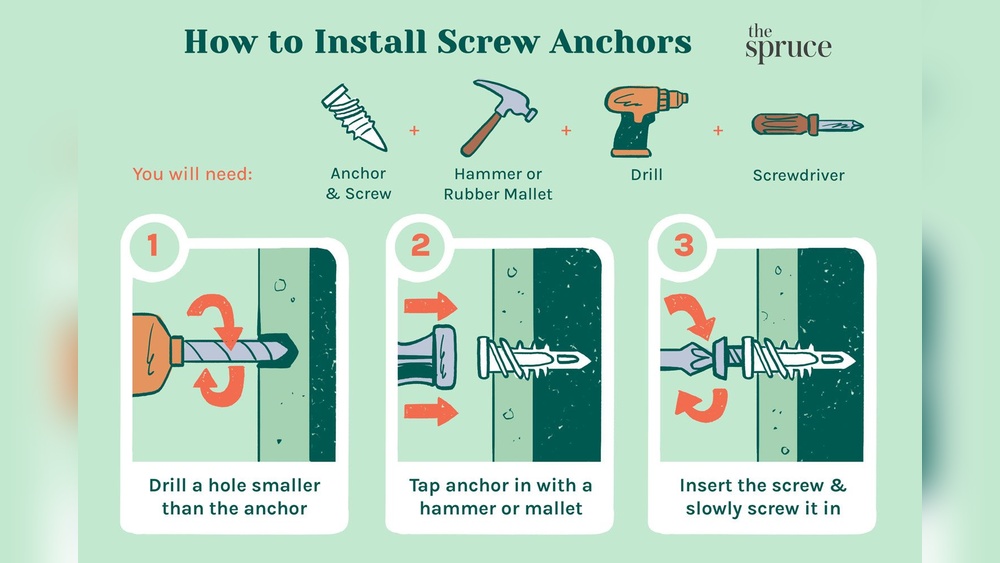
Start with a good hammer to tap bolts and anchors. A wrench or socket set tightens nuts firmly. A tape measure ensures precise placement of bolts. Use a level to check wall straightness. Marking tools help spot bolt locations clearly. A pry bar can adjust wall panels gently. These hand tools are basic but crucial.
Power Tools For Efficiency
A drill with a masonry bit is key for drilling anchor holes. An impact driver speeds up bolt fastening. A circular saw helps cut wall studs if needed. Use a cordless tool for easy movement. Power tools save time and reduce effort. They also improve accuracy and consistency in work.
Safety Gear Recommendations
Wear safety glasses to protect eyes from dust and debris. Use gloves to avoid cuts and splinters. Hearing protection is important when using power tools. A hard hat guards against falling objects. Wear sturdy boots for firm footing. Safety gear prevents injuries during wall installation.
Common Challenges And Solutions
Standing walls on anchor bolts requires care and precision. Several challenges can arise during this process. Knowing common problems helps to avoid delays and errors. Below are some typical issues and practical solutions to keep your wall secure and stable.
Dealing With Misaligned Bolts
Misaligned bolts make it hard to fit the wall properly. Check bolt positions before lifting the wall. Use shims or washers to adjust minor misalignments. For larger issues, consider drilling new holes or repositioning bolts. Always measure twice to ensure proper alignment.
Handling Uneven Surfaces
Uneven floors cause walls to tilt or shift. Use a level to spot high and low spots. Fill low areas with grout or leveling compound. Sand down high spots if possible. Secure the wall only after the surface is flat and stable.
Preventing Wall Movement
Walls can move if anchor bolts are loose. Tighten all nuts firmly, but avoid over-tightening. Use lock washers or thread-locking compound to keep bolts secure. Brace the wall temporarily during installation to prevent swaying. Check bolts regularly after installation.

Credit: www.amazon.com
Final Checks And Adjustments
Final checks and adjustments are key to secure walls on anchor bolts. These steps ensure the wall stands strong and safe. Skipping these checks can cause instability or damage later.
Verifying Wall Stability
Start by gently pushing the wall. It should not move or wobble. Look for any signs of weakness or looseness. Confirm the wall stays straight and upright. Stability means the wall can hold weight and resist pressure.
Tightening Bolts Correctly
Use a wrench to tighten each anchor bolt. Do not overtighten, which can damage the bolt or wall. Tighten just enough to hold the wall firm. Check every bolt to ensure none are loose. Proper tightening keeps the wall fixed and safe.
Inspecting For Gaps And Seals
Look closely at the base and sides of the wall. Find any gaps between the wall and foundation. Gaps can let air, water, or pests inside. Fill gaps with sealant or foam. Proper sealing protects the structure and improves energy efficiency.

Credit: studcosystems.com.au
Frequently Asked Questions
What Are Anchor Bolts Used For In Wall Construction?
Anchor bolts secure walls to foundations, preventing movement and ensuring stability. They provide a strong connection between the wall and concrete base.
How Do You Properly Position Anchor Bolts For Walls?
Anchor bolts should be placed before pouring concrete, spaced evenly, and embedded deeply. Proper positioning ensures the wall stands firmly and safely.
Can Walls Be Stood Directly On Anchor Bolts?
Yes, walls are aligned on anchor bolts, which fit through the sill plate holes. This connection stabilizes the wall during and after construction.
What Tools Are Needed To Stand Walls On Anchor Bolts?
You need a level, hammer, wrench, and possibly a pry bar to adjust walls on anchor bolts. These tools help align and secure the wall correctly.
Conclusion
Standing walls on anchor bolts requires care and precision. Secure bolts firmly into the foundation first. Align the wall carefully with the bolts. Tighten nuts evenly to hold the wall tight. Check all connections for strength and safety. Taking these steps helps build a strong, lasting structure.
Proper installation protects walls from shifting or damage. Always follow guidelines and safety rules during the process. This approach ensures your walls stay stable for years. Simple actions make a big difference in wall support. Trust the process and build with confidence.