Have you ever found yourself standing in front of a locked door, realizing you don’t have the key? It’s frustrating, stressful, and can happen to anyone.
But don’t panic—you can unlock a deadbolt without a key if you know the right tricks. You’ll discover simple, effective methods to regain access quickly and safely. Keep reading, because the solution might be easier than you think.
Tools You Might Need
Lock picking is a skill that lets you open a deadbolt without the original key. It requires patience and a basic understanding of how locks work. Learning the basics is the first step to try this method safely and effectively.
This section explains the main parts of a deadbolt and how to use simple tools to pick it.
Understanding The Mechanism
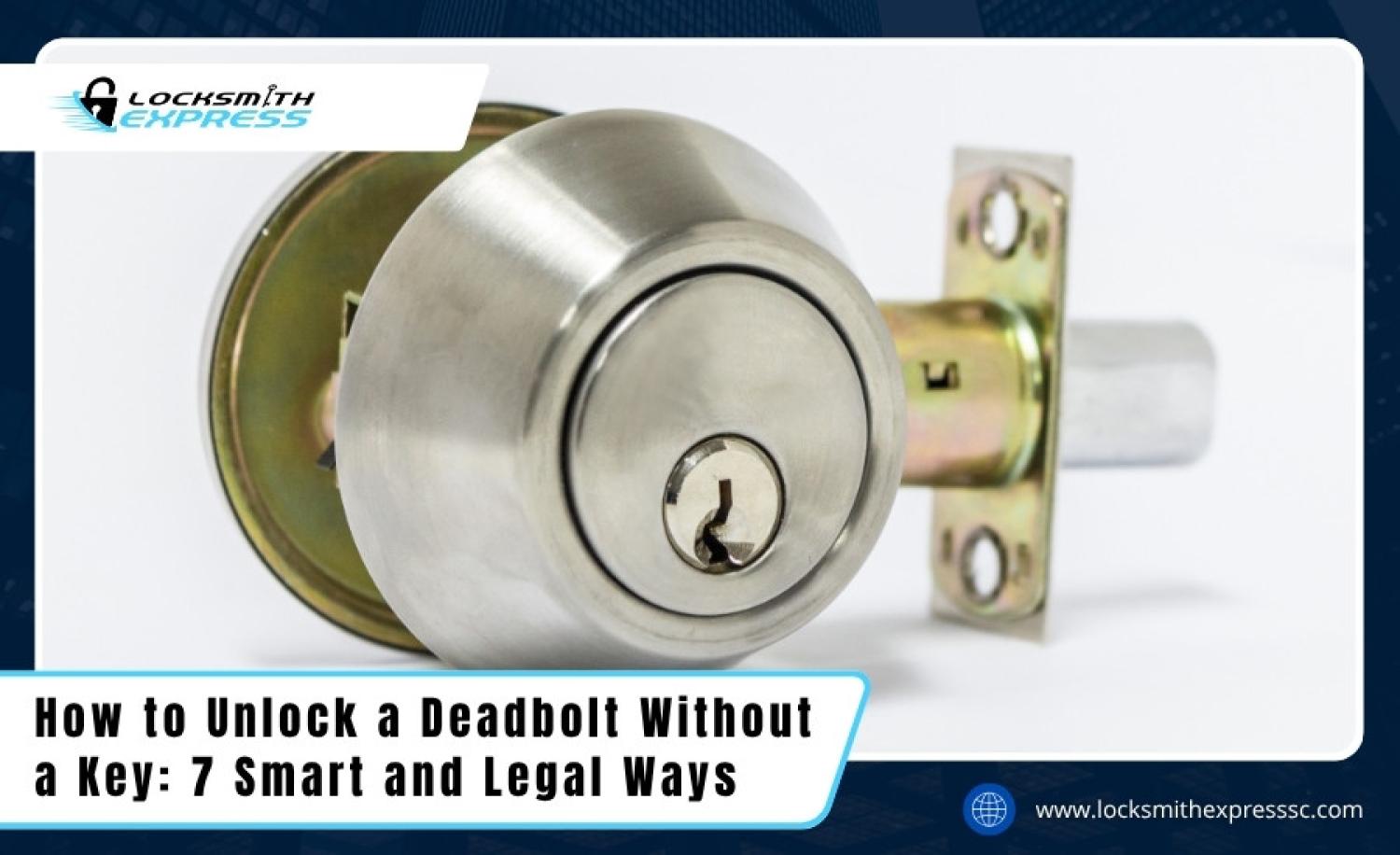
A deadbolt lock has pins inside that block the cylinder from turning. Each pin sits at a different height. When the correct key is inserted, the pins align at the shear line. This alignment lets the cylinder turn and opens the lock.
Without the key, the pins stay misaligned, stopping the lock from opening. Picking means pushing these pins up to the right height. Doing this one by one can release the lock.
Using A Tension Wrench And Pick
The tension wrench applies a small turn to the lock cylinder. This slight pressure helps hold pins at the shear line. Insert the wrench into the bottom of the keyhole.
The pick is a thin tool used to lift the pins inside the lock. Gently push each pin up while keeping pressure with the wrench. Feel for pins that catch and hold them in place. Repeat until all pins align and the lock turns open.
Credit: locksmithexpresssc.com
Using A Credit Card
The bump key method is a way to open a deadbolt lock without using the original key. This method uses a special key called a bump key. It helps to move the pins inside the lock to the right position. This allows the lock to turn and open.
Many locksmiths know this technique. It can be useful in emergencies. But it needs skill and care to avoid damage to the lock.
What Is A Bump Key?
A bump key is a key cut to fit many locks of the same type. It has all its cuts at the lowest depth. This shape lets it fit into the lock easily. When tapped or “bumped,” it forces the pins inside the lock to jump. This momentarily aligns the pins to open the lock.
Bump keys work mainly on pin tumbler locks. These locks are common in homes and offices. The bump key is not unique for one lock. It can fit several locks of the same brand or model.
How To Use It Safely
Use the bump key carefully. Too much force can damage the lock. Place the bump key fully in the lock cylinder. Use a small hammer or similar tool to tap the key gently. At the same time, turn the key slightly. This can free the pins and open the lock.
Only try this method on locks you own or have permission to open. Using a bump key on locks without permission is illegal. Always respect privacy and property.
Lock Picking Basics
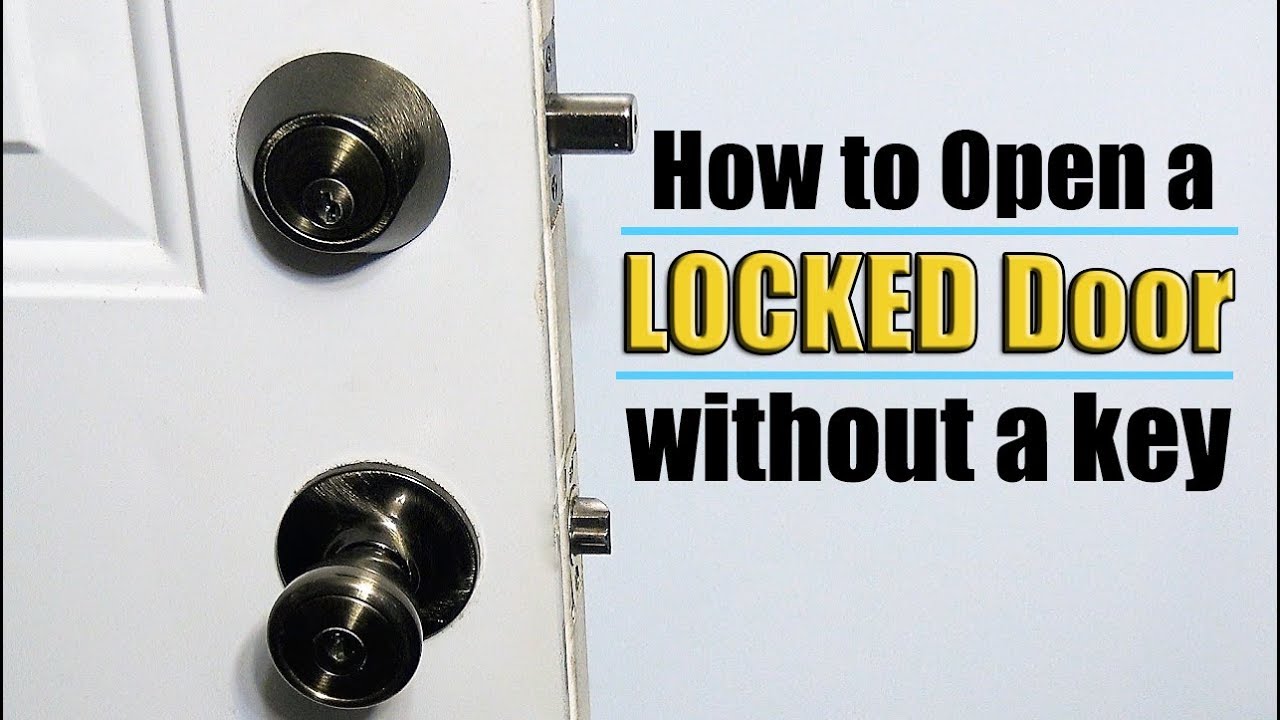
Sometimes, keys are lost or forgotten. Alternative DIY techniques can help open a deadbolt without a key. These methods need simple tools and patience. They work best on older or less secure locks.
Using A Screwdriver
A flat-head screwdriver can turn a deadbolt in some cases. Insert the screwdriver into the keyhole carefully. Try to push the lock cylinder while turning it slowly. This method works if the lock is loose or worn out. Use gentle pressure to avoid breaking the tool or lock.
Shimming The Lock
Shimming uses a thin piece of metal to slide between the bolt and the door frame. Cut a small strip from a soda can or use a metal shim tool. Slide the shim into the gap near the bolt. Push and wiggle the shim to move the bolt back. This frees the door without a key. Shimming works best on spring bolt locks, not deadbolts with strong springs.
Credit: www.youtube.com
Bump Key Method
Preventing future lockouts saves time and stress. Planning ahead helps avoid the hassle of being locked out. Small steps can make a big difference in keeping your home secure and accessible. Two effective ways are having spare keys and using smart lock alternatives.
Spare Key Options
Keep a spare key in a safe place outside your home. Give a trusted neighbor or family member a copy. Use a lockbox with a code to store a spare key. Avoid hiding keys in obvious spots like under mats or flower pots. Regularly check that your spare key is still accessible and not lost. This simple step can prevent many lockout problems.
Smart Lock Alternatives
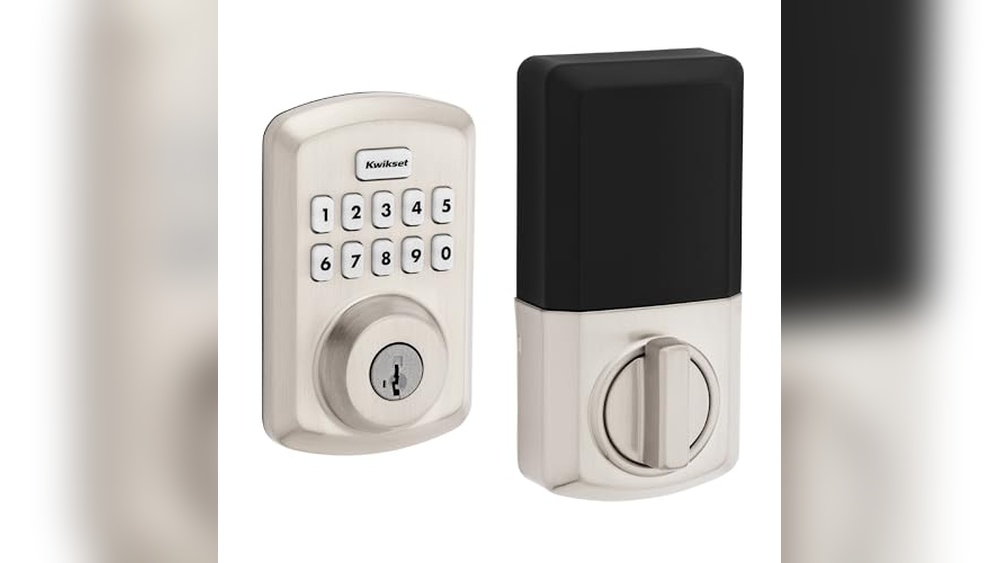
Smart locks use codes or apps instead of physical keys. You can enter your home with a number or your phone. Many smart locks allow temporary access for guests or workers. Some models notify you if the door is locked or unlocked. These locks reduce the need to carry keys all the time. Choose a smart lock with good reviews and easy setup for best results.
Credit: www.reddit.com
Frequently Asked Questions
How Can I Unlock A Deadbolt Without A Key?
You can unlock a deadbolt using lock picking, bump keys, or credit card methods. These require skill and care to avoid damage. If unsure, contact a locksmith for professional help.
Is It Legal To Pick A Deadbolt Lock?
Lock picking is legal only on locks you own or have permission to open. Picking locks without authorization is illegal and can lead to penalties. Always ensure you have the right to unlock the door.
What Tools Do I Need To Unlock A Deadbolt?
Common tools include lock picks, tension wrenches, bump keys, and sometimes a credit card. Proper tools increase success chances but require practice. Avoid using force to prevent lock damage.
Can I Unlock A Deadbolt With A Credit Card?
A credit card may work on spring bolt locks but rarely on deadbolts. Deadbolts are more secure and need specialized tools. Use credit cards only for non-deadbolt locks to avoid damage.
Conclusion
Unlocking a deadbolt without a key can be tricky but doable. Always stay calm and use safe methods. Trying too hard might break the lock or door. Calling a locksmith is often the best choice. Knowing simple tricks can save time and stress.
Practice caution and respect property rules. Remember, patience and care lead to success. Keep these tips in mind for future needs.