Are you tired of seeing those annoying marks and scratches on your walls every time you hang something? If your hook keeps rubbing against the wall, it can damage both the paint and the surface over time.
You might think it’s just a small problem, but it can quickly turn into a costly repair. The good news? You don’t have to live with those ugly marks. You’ll discover simple and effective ways to stop your hook from rubbing the wall, keeping your space looking fresh and neat.
Keep reading, and you’ll learn easy solutions you can use right now to protect your walls and enjoy a cleaner, damage-free home.

Credit: www.walmart.com
Causes Of Hook Rubbing
Hooks rubbing against walls can damage paint and leave marks. Understanding why this happens helps prevent it. Several factors cause hook rubbing. Each one affects how the hook interacts with the wall.
Incorrect Hook Placement
Placing the hook too close to the wall often causes rubbing. If the hook sticks out at the wrong angle, it can scrape the surface. Hooks need enough space to hang without touching the wall. Poor placement makes rubbing more likely during use.
Wall Surface Issues
Rough or uneven wall surfaces increase friction against hooks. Textured paint, bumps, or dirt can cause the hook to rub more. Walls that are not smooth create more contact points. These surface problems make hooks scrape and damage the wall.
Hook Design And Material
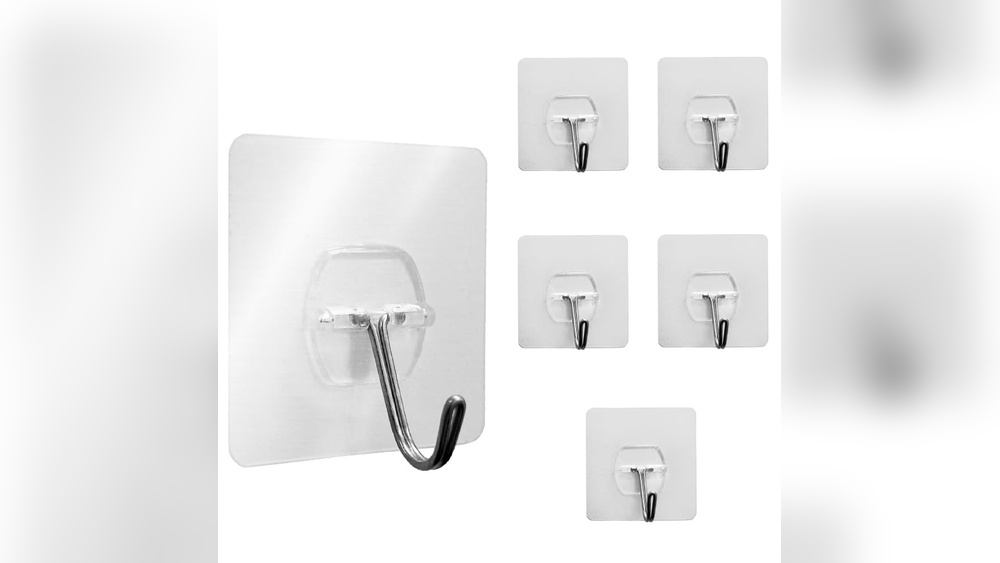
The shape and material of hooks affect rubbing risks. Sharp edges or rough finishes can scratch walls easily. Metal hooks without padding tend to rub more than plastic ones. Choosing smooth, rounded hooks reduces wall damage over time.

Credit: www.amazon.com
Simple Fixes To Prevent Rubbing
Simple fixes can stop your hook from rubbing against the wall. These easy methods protect your walls and keep hooks stable. Small changes make a big difference in preventing damage and noise.
Adjusting Hook Position
Move the hook slightly away from the wall. Even a small shift reduces rubbing and scratching. Check the hook’s angle to avoid direct contact with the wall. Tighten screws to keep the hook steady and in place.
Using Protective Pads
Attach soft pads behind the hook. Felt or rubber pads create a cushion between the hook and the wall. These pads stop the hook from scratching or making noise. They are easy to apply and replace when worn out.
Applying Felt Or Rubber Covers
Cover the hook tips with felt or rubber sleeves. These covers soften the edges that touch the wall. They prevent marks and reduce friction during use. Felt and rubber covers are affordable and last long.
Wall Preparation Tips
Preparing the wall is key to stop hooks from rubbing and damaging the surface. A smooth, clean, and well-primed wall helps hooks stick firmly. This reduces movement and prevents marks or scratches. Follow these simple steps to prepare your wall before hanging hooks.
Smoothing Rough Surfaces
Check the wall for bumps, chips, or rough spots. Use sandpaper to smooth these areas gently. A smooth surface helps the hook sit flat and stay in place. Avoid rough patches that can cause the hook to wiggle or rub.
Cleaning The Wall Area
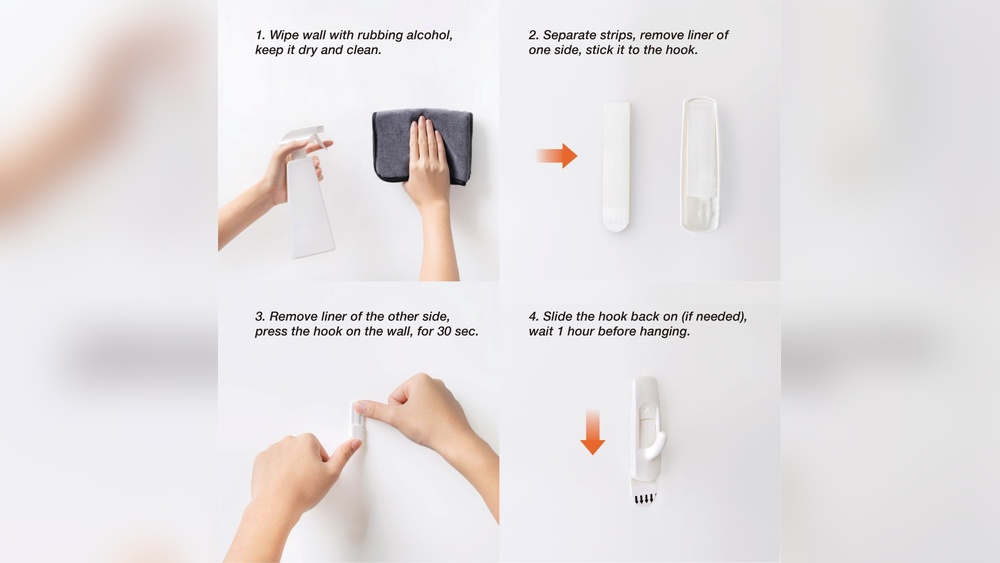
Remove dust, dirt, and grease from the wall. Use a damp cloth or mild cleaner to wipe the area. Let it dry completely before attaching the hook. Clean walls improve the hook’s grip and stop slipping or rubbing.
Priming For Better Adhesion
Apply a primer if the wall is new or painted with glossy paint. Primer helps the hook’s adhesive stick better. Use a primer suited for your wall type. Let it dry fully for stronger, longer-lasting adhesion.
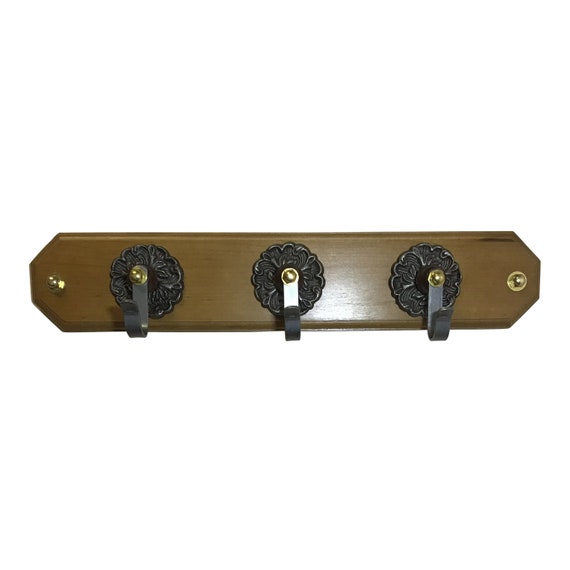
Credit: www.etsy.com
Choosing The Right Hooks
Choosing the right hooks helps protect your walls from damage. The wrong hooks can leave marks or cause paint to peel. Picking hooks carefully keeps your walls clean and your items secure.
Different hooks suit different wall types and weights. Knowing which hooks to pick makes a big difference. Focus on materials, coatings, and size to find the best fit.
Selecting Non-abrasive Materials
Hooks made from soft materials reduce wall scratches. Plastic and rubber-coated hooks are gentle on surfaces. Metal hooks without sharp edges can also work well. Avoid rough metals that can scrape paint or wallpaper.
Hooks With Protective Coatings
Coated hooks add a protective layer between hook and wall. Paint or plastic coatings prevent direct contact with the wall. This lowers the chance of rubbing marks or rust stains. Look for hooks labeled with protective finishes.
Weight And Size Considerations
Heavy items need stronger and larger hooks. Small hooks may bend or fall under weight. Oversized hooks can press too hard and damage walls. Match the hook size to the item’s weight and shape for best results.
Long-term Maintenance
Long-term maintenance helps keep hooks from damaging your walls. It ensures hooks stay secure and walls remain clean. Small efforts over time prevent costly repairs and repainting.
Maintaining hooks properly protects both your walls and the items you hang. It also keeps your space looking neat and tidy.
Regular Inspection
Check hooks often for signs of wear or damage. Look for loose screws or shifts in the hook’s position. Early detection stops rubbing before it worsens. A quick weekly check saves effort later.
Replacing Worn Pads
Soft pads cushion hooks and protect walls from scratches. Replace these pads if they wear out or fall off. Use felt or rubber pads made for wall hooks. Fresh pads reduce friction and keep walls smooth.
Avoiding Overloading Hooks
Do not hang items heavier than the hook’s limit. Overloading causes hooks to bend or pull away from walls. This increases rubbing and wall damage. Know the weight limit and stick to it for safety.
Frequently Asked Questions
How Can I Prevent A Hook From Rubbing The Wall?
Use felt pads or rubber bumpers on the hook’s contact points. These cushions reduce friction and protect the wall surface effectively.
What Materials Work Best To Stop Hook Rubbing?
Soft materials like felt, rubber, or silicone work best. They absorb impact and prevent scratches or marks on your wall.
Can Repositioning The Hook Reduce Wall Damage?
Yes, repositioning the hook slightly away from the wall can minimize direct contact. This reduces rubbing and potential wall damage.
Are Adhesive Hook Protectors Effective Against Rubbing?
Adhesive hook protectors are effective. They provide a barrier between the hook and wall, preventing scuffs and paint wear.
Conclusion
Keeping hooks from rubbing on walls protects both surfaces well. Use soft pads or tape on the hook to stop scratches. Check the hook’s position often and adjust it if needed. These small steps save wall paint and keep hooks strong.
A little care goes a long way. Try these tips to keep your walls clean and your hooks safe. Simple actions can make a big difference every day.