Are you tired of your pictures, shelves, or decorations falling off the wall? Knowing how to anchor a screw properly can save you from this frustrating problem.
When you use the right technique, your items stay secure and your walls stay safe. In this guide, you’ll learn simple, step-by-step tips that anyone can follow. By the end, you’ll feel confident tackling any wall project with ease. Keep reading and discover the secrets to strong, lasting wall anchors that work every time.
Choosing The Right Anchor
Choosing the right anchor is key for a strong hold. The wrong anchor can cause your screw to fail or the wall to get damaged. Knowing the types of anchors and their uses helps you pick the best one. It also ensures your item stays safely on the wall.
Types Of Wall Anchors
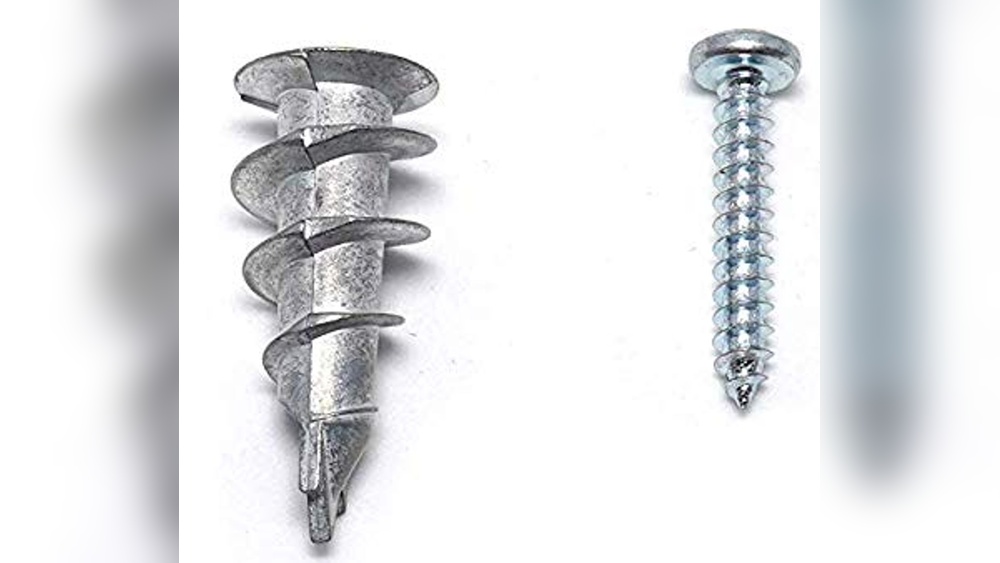
There are several wall anchor types. Plastic expansion anchors are common and easy to use. They work well with light loads in drywall or plaster. Toggle bolts have wings that open inside the wall. They hold heavy items securely. Molly bolts expand inside the wall for a firm grip. Self-drilling anchors screw directly into drywall. Choose an anchor type based on your wall and load needs.
Matching Anchors To Wall Material
Wall materials vary. Drywall, plaster, concrete, and brick need different anchors. Plastic anchors fit drywall and plaster. Masonry anchors work best in concrete or brick. Toggle bolts suit hollow walls. Metal anchors fit metal studs or frames. Using the right anchor for your wall keeps the fix strong and safe.
Weight Capacity Considerations
Every anchor has a weight limit. Check the anchor’s packaging for its capacity. Use stronger anchors for heavy items like shelves or mirrors. Light anchors work for small pictures or clocks. Overloading an anchor risks damage and falling items. Choose an anchor rated for the weight you plan to hang.
:max_bytes(150000):strip_icc()/how-to-use-and-discard-anchor-screws-1822671-Final-ec8091ccf65241b1b1f888549f25003a.jpg)
Credit: www.thespruce.com
Gathering Necessary Tools
Gathering the right tools is the first step to anchor a screw to the wall properly. Having everything ready helps you work faster and prevents mistakes. Each tool has a specific job and makes the task easier and safer.
Drill And Drill Bits
A drill is essential for making holes in the wall. Choose a drill with variable speeds for better control. Drill bits come in many sizes. Pick one that matches the anchor size you use. Using the correct bit size ensures a snug fit for the anchor. A good drill and the right bit make the job clean and precise.
Screwdriver Options
You need a screwdriver to drive the screw into the anchor. A manual screwdriver works well for small jobs. An electric screwdriver saves time and effort. Choose a screwdriver tip that fits your screws perfectly. This prevents damage to the screw head and helps you work smoothly.
Measuring And Marking Tools
Measure and mark the exact spot where you want to anchor the screw. Use a tape measure or a ruler for accuracy. A pencil or a marker helps you mark the spot clearly. Precise measuring and marking avoid holes in the wrong places. This step is key for a neat and strong installation.
Preparing The Wall
Preparing the wall is the first step to anchor a screw securely. This step ensures the screw holds well and avoids damage to your wall or wiring. Taking time here makes the project safer and easier.
Locating Studs And Avoiding Hazards
Find studs behind the wall before drilling. Studs give strong support for screws. Use a stud finder tool to locate them. Avoid drilling near electrical wires or pipes. These can cause serious damage or injury.
Marking Drill Points
Mark the exact spot for the screw on the wall. Use a pencil for light, clear marks. Double-check the position to ensure accuracy. Proper marking helps keep the screw in place and aligned.
Drilling The Pilot Hole
Drill a small pilot hole at the marked spot. This hole guides the screw and prevents wall damage. Use a drill bit slightly smaller than the screw. Drill straight and steady to avoid cracking the wall.
Installing The Anchor
Installing the anchor is a key step in securing screws to your wall. Anchors provide extra support and hold the screw firmly. Choose the right type of anchor for your wall and the weight of the object you want to hang. Proper installation ensures the anchor stays in place and holds well.
Inserting Plastic Anchors
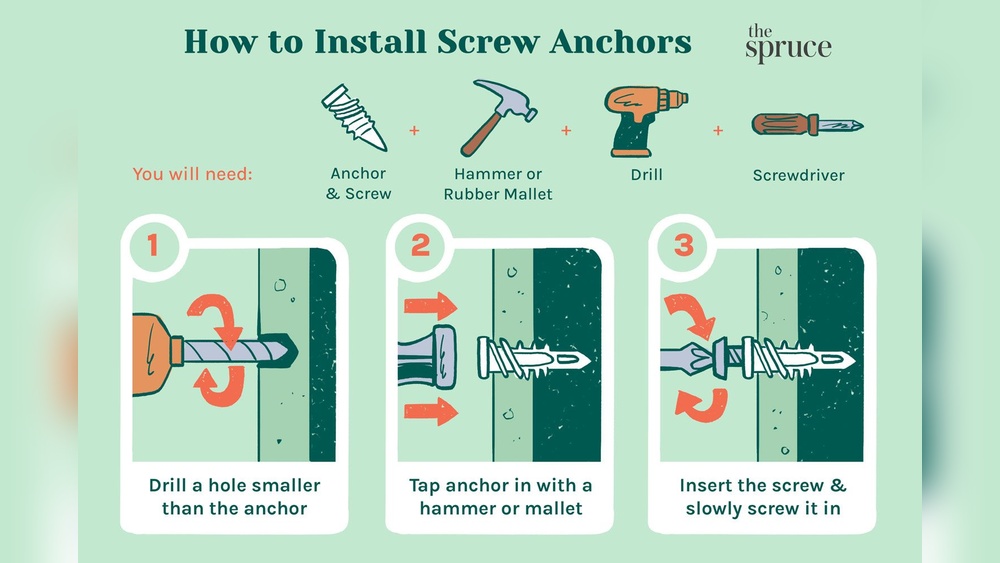
Plastic anchors are common and easy to use. First, drill a hole slightly smaller than the anchor. Push the plastic anchor into the hole until it fits snugly. Tap it gently with a hammer if needed. The anchor expands inside the wall, creating a strong grip for the screw.
Using Toggle And Molly Bolts
Toggle and molly bolts work best for heavy items and hollow walls. For toggle bolts, drill a hole large enough for the folded toggle. Insert the bolt with the toggle folded, then tighten it. The toggle opens behind the wall, locking the bolt in place. Molly bolts expand inside the wall when you tighten the screw, creating a firm hold.
Setting Anchors In Drywall
Drywall is soft and needs special anchors. Use anchors designed for drywall to avoid damage. Drill a small pilot hole before inserting the anchor. Push or tap the anchor gently into the hole. Make sure it fits tightly to prevent it from pulling out under weight.
Securing The Screw
Securing the screw to the wall is a critical step. It ensures your item stays firmly in place. A loose screw can cause damage or fall off. This section explains how to secure screws properly. Follow these tips to get a strong hold every time.
Choosing The Right Screw Length
Pick a screw long enough to go through the anchor and into the wall. Too short, and it won’t hold well. Too long, and it may damage the wall or wiring inside. Measure the anchor length first. Add enough length for the screw to grip inside the wall securely. This balance keeps your item stable and safe.
Driving Screws Without Damaging Anchors
Start screwing slowly. Use a screwdriver or drill with low speed. Too much force can crack or break the anchor. Keep the screw straight, not at an angle. Stop when the screw head is flush with the anchor. Avoid over-tightening; it can strip the anchor and reduce hold.
Testing The Hold Strength
After securing the screw, test its strength gently. Pull or push the item slightly to check stability. If it moves or feels loose, tighten the screw carefully. Test again until it feels firm. This step ensures the screw and anchor work well together. A strong hold protects your wall and mounted items.

Credit: www.fmwfasteners.com
Troubleshooting Common Issues
Anchoring screws to walls can sometimes cause problems. These issues slow down your project and may harm your walls. Knowing how to fix common problems saves time and keeps your work neat. This section covers three frequent troubles and how to solve them.
Loose Anchors
Loose anchors do not hold screws firmly. This happens when the hole is too big or the anchor is the wrong size. To fix this, remove the anchor and fill the hole with wood filler or putty. Let it dry, then drill a smaller hole. Insert the correct size anchor for a tight fit.
Cracked Walls
Cracks can appear around anchors if the wall is weak or the hole is too large. Avoid pushing anchors too hard. Use wall anchors made for your wall type. For big cracks, fill them with joint compound before anchoring. Small cracks may need light sanding before repair.
Misaligned Screws
Screws that are not straight can cause damage and look bad. Mark the spot carefully before drilling. Use a level to keep screws straight. Drill slowly and guide the screw gently. If a screw is off, remove it and fill the hole. Drill a new hole in the right place.
Tips For Long-lasting Holds
Anchoring a screw to the wall securely requires more than just drilling and screwing. Long-lasting holds depend on careful steps and good habits. These tips help your screws stay firm and your walls safe for years.
Avoiding Over-tightening
Do not tighten screws too much. Over-tightening can damage the wall or strip the screw. Tighten screws until they feel snug and stop turning easily. This prevents cracks and keeps the screw strong.
Regular Inspection And Maintenance
Check your screws and anchors regularly. Look for signs of loosening or damage. Tighten any loose screws gently. Replace damaged anchors to keep the hold secure. Regular care extends the life of your wall anchors.
Using Wall Anchors For Different Applications
Choose the right anchor for each wall type. Drywall needs different anchors than concrete or brick. Use plastic anchors for light loads and metal ones for heavy items. Picking the right anchor ensures the best hold and safety.

Credit: alliedboltinc.com
Frequently Asked Questions
What Tools Do I Need To Anchor A Screw To The Wall?
You need a drill, wall anchors, screws, a screwdriver, and a hammer. These tools help secure the screw firmly and safely in the wall.
How Do I Choose The Right Wall Anchor Type?
Select anchors based on wall material and weight support needed. Plastic anchors suit drywall, while metal anchors work for concrete or brick.
Can I Anchor Screws In Drywall Without Studs?
Yes, using drywall anchors provides strong hold without studs. They distribute weight evenly and prevent screw pull-out.
How Deep Should I Drill For Wall Anchors?
Drill a hole slightly deeper than the anchor length. This ensures the anchor fits fully and holds the screw securely.
Conclusion
Anchoring a screw to the wall is easier than it seems. Choose the right anchor for your wall type. Drill a hole carefully and insert the anchor securely. Then, screw in slowly to avoid damage. This simple process keeps items safe and steady.
Practice a few times to gain confidence. With patience, anyone can do it well. Try it on small projects first. Soon, you will feel ready for bigger tasks. Keep these steps in mind for strong wall support.