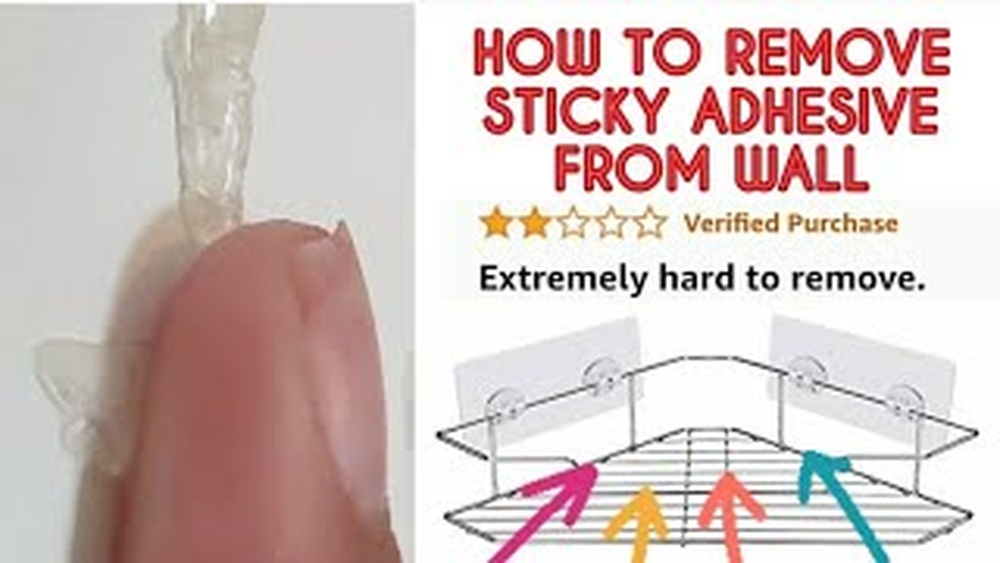
Are you struggling to remove heavy duty adhesive hooks from your wall without causing damage? You’re not alone.
These hooks hold strong, but that strength can make them tricky to take down. If you want to get your walls looking clean and smooth again, you need the right techniques. You’ll discover simple, effective ways to remove those stubborn hooks quickly and safely.
Keep reading, and you’ll have your walls ready for whatever comes next—no stress, no mess.
Types Of Heavy Duty Adhesive Hooks
Heavy duty adhesive hooks are useful but can cause damage to walls. Knowing the signs of damage helps prevent bigger problems. Watch for changes on the wall and around the hook area. These signs tell you if the adhesive hook has harmed the surface.
Identifying damage early makes removal easier and safer. It also keeps your walls looking good. Check the wall closely after removing hooks to spot any issues.
Wall Surface Concerns
Look for peeling paint or wallpaper near the hook. Small cracks or holes may appear under the hook area. The wall might feel rough or uneven to touch. Any discoloration around the hook shows damage. These signs suggest the adhesive pulled off some wall material.
Hook Residue Indicators
Sticky spots or patches remain after removing the hook. Hardened glue clumps may stay on the wall surface. The residue might attract dust or dirt easily. Sometimes the adhesive leaves a shiny or dull stain. These leftovers can be hard to clean and may damage paint.
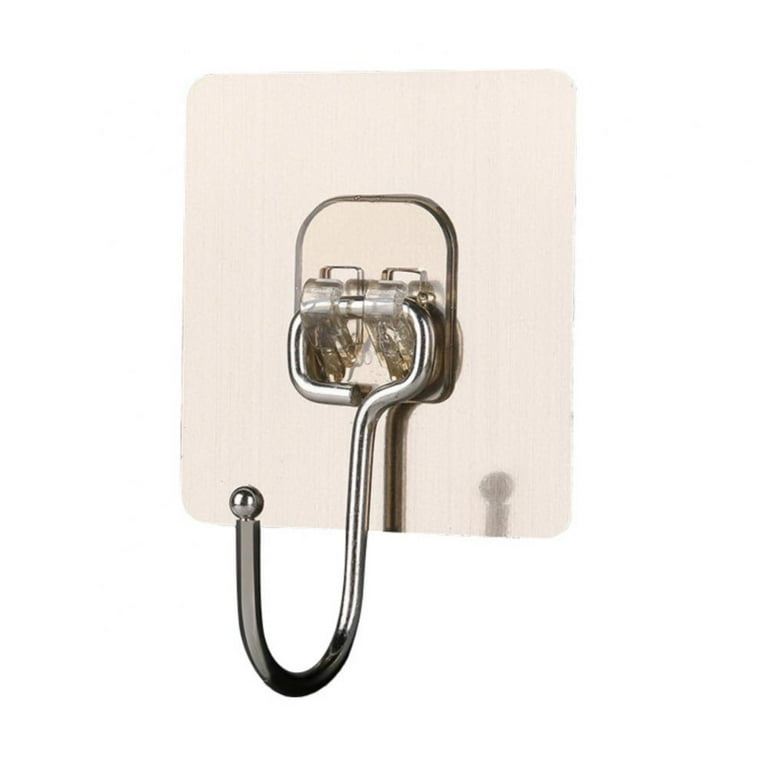
Credit: www.walmart.com
Signs Of Adhesive Hook Damage
Removing heavy duty adhesive hooks needs the right tools. Using proper tools helps protect your wall from damage. You can use common household items or buy specialized tools. Both types work well for different situations.
Household Items
Start with items you have at home. A hairdryer heats the adhesive, making it softer. A plastic card, like a credit card, helps lift the hook gently. Rubbing alcohol breaks down sticky residue easily. Cotton balls or a soft cloth assist in cleaning the wall after removal.
Specialized Tools
Some tools are made specifically for hook removal. Adhesive remover gels dissolve glue safely. A plastic scraper helps lift stubborn hooks without scratching. A heat gun works like a hairdryer but is stronger. These tools give better results for tough adhesives.
Tools Needed For Removal
Removing heavy duty adhesive hooks from walls requires care to avoid damage. Follow simple steps to remove hooks cleanly and safely. Use the right technique based on your wall type and adhesive strength. Below are easy and effective step-by-step methods.
Peeling Method
Start by gently lifting the hook’s edge. Slowly peel the hook away from the wall. Pull straight and steady to reduce wall damage. Stop if you feel strong resistance. This method works best on smooth surfaces and light adhesives.
Heat Application
Use a hair dryer to warm the adhesive area. Hold the dryer close, but not too hot. Heat softens the glue, making removal easier. After warming, try peeling the hook gently. Repeat heating if the hook does not come off quickly.
Using Dental Floss Or Fishing Line
Slide dental floss or fishing line behind the hook base. Move the floss in a sawing motion to cut the adhesive. Keep the floss tight for better control. This technique helps remove hooks without pulling or tearing paint.
Adhesive Remover Solutions
Apply an adhesive remover or rubbing alcohol to the sticky area. Let it sit for a few minutes to soften the glue. Use a cloth to wipe away the adhesive gently. Test the remover on a small wall area first to check for damage.
Step-by-step Removal Techniques
Removing heavy-duty adhesive hooks from walls needs care. Damage to paint or drywall can happen easily. Taking steps to protect your wall saves time and money. Gentle methods work best to keep your wall smooth. Avoid rough actions that pull or tear the surface.
Gentle Pulling Techniques
Start by holding the hook close to the wall. Pull the hook slowly and evenly. Use steady pressure, not sudden jerks. If the hook moves, keep pulling gently. Stop if the hook feels stuck. Try to loosen the adhesive by stretching it away from the wall. Use your fingers, not tools, for pulling.
Avoiding Excessive Force
Do not yank or twist the hook hard. Strong force can peel paint or break drywall. If the hook does not come off, pause and try another way. Heat the adhesive with a hairdryer to soften it. Use a plastic card to slide between the hook and wall. Patience helps prevent wall damage.
Preventing Wall Damage
Removing heavy duty adhesive hooks often leaves sticky residue on walls. This leftover adhesive can attract dust and dirt, making walls look untidy. Cleaning this residue is important to keep your walls smooth and fresh. Use gentle methods to avoid damage.
Safe Cleaning Agents
Use mild soap mixed with warm water for cleaning. Apply the solution with a soft cloth or sponge. Rubbing alcohol works well for tougher sticky spots. Test any cleaner on a small, hidden area first. This prevents unexpected damage.
Avoiding Paint Damage
Do not use harsh chemicals or abrasive tools. These can strip or dull paint. Gently blot the residue instead of scrubbing hard. Use a soft cloth to protect the wall’s surface. Wait for the wall to dry completely after cleaning.

Credit: www.youtube.com

Credit: www.amazon.com
Frequently Asked Questions
How Do I Safely Remove Heavy Duty Adhesive Hooks?
To remove heavy duty adhesive hooks safely, gently pull the hook away while stretching the adhesive tab downward. Avoid using excessive force to prevent wall damage. Use a hairdryer to soften the adhesive if needed, making removal easier without leaving residue.
Can I Reuse Heavy Duty Adhesive Hooks After Removal?
Most heavy duty adhesive hooks are designed for single use only. Once removed, the adhesive loses its strength. Reusing them may cause poor adhesion and wall damage. It’s best to use new adhesive strips for reliable and secure mounting.
What Tools Help Remove Adhesive Hooks Without Wall Damage?
A hairdryer, dental floss, or adhesive remover can help remove hooks cleanly. Heat softens the glue, while floss slides behind to cut the adhesive. Commercial adhesive removers also dissolve residue gently, protecting your wall’s paint or wallpaper.
How To Remove Leftover Adhesive From Walls After Hook Removal?
Apply rubbing alcohol or adhesive remover on a cloth and gently rub the residue. Avoid harsh scrubbing to prevent wall damage. Warm soapy water can also help lift adhesive residue safely without affecting paint or wallpaper.
Conclusion
Removing heavy duty adhesive hooks from walls can be simple and safe. Use gentle heat or oil to loosen the glue. Pull slowly to avoid wall damage. Clean any leftover residue with mild soap and water. Take your time and be patient.
This way, your wall stays smooth and ready for new hooks. Easy steps lead to good results. Try these tips next time you remove adhesive hooks.