Have you ever found yourself standing outside your door, key in hand, but unable to unlock your deadbolt? It’s frustrating, stressful, and can make you feel stuck.
But don’t worry—unlocking a deadbolt with a key is simpler than you might think. In this guide, you’ll discover clear, step-by-step tips that will help you get back inside quickly and safely. Keep reading to learn how to take control of the situation and unlock your deadbolt with ease.

Credit: www.art-of-lockpicking.com
Tools Needed
Having the right tools makes unlocking a deadbolt with a key easier and faster. These tools help you turn the key smoothly and avoid damage. Keep these basic tools handy before you start.
Key
The key is the most important tool. Use the correct key for the deadbolt lock. A worn or wrong key can cause problems. Check the key for damage before using it.
Lubricant
Lubricant helps the key slide into the lock smoothly. Use graphite powder or a silicone-based spray. Avoid oil-based lubricants as they can attract dust and dirt.
Flashlight
A flashlight helps you see the keyhole clearly. This is useful in low light or at night. It makes inserting the key easier and safer.
Gloves
Gloves protect your hands from dirt and sharp edges. They also give a better grip on the key. Choose gloves that fit well and are comfortable.
Identify The Deadbolt Type
Knowing the type of deadbolt helps in using the right key and method. Deadbolts come in several styles. Each style has a unique key design and mechanism. Identifying your deadbolt type makes unlocking easier and safer.
Single Cylinder Deadbolt
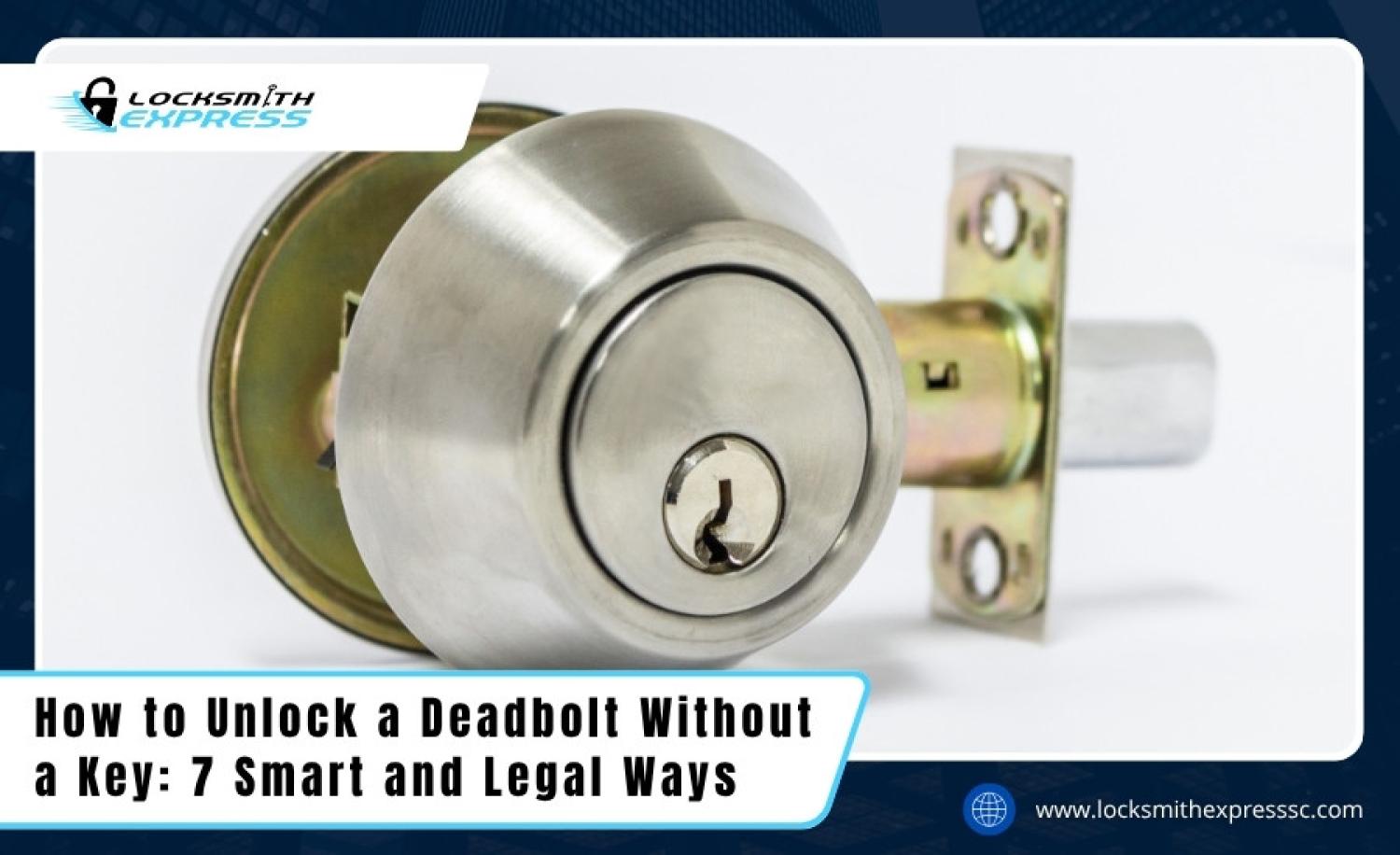
This deadbolt uses a key on the outside only. Inside, it has a thumb turn to lock or unlock. It is the most common type found on home doors. Keys fit a simple pin tumbler lock.
Double Cylinder Deadbolt
This deadbolt requires a key on both sides. There is no thumb turn inside the door. It offers extra security for doors with glass nearby. You need to have the key ready to open from inside or outside.
Keyless Deadbolt
This type uses a keypad or smart lock instead of a key. Some models still have a key backup. Understanding if your deadbolt has a key slot is important before trying to use a key.
Vertical Deadbolt
The bolt moves up and down, not side to side. This type is less common but adds strong protection. Keys for vertical deadbolts look different from standard ones.
Insert The Key Properly
Inserting the key properly is the first step to open a deadbolt lock. A key inserted the wrong way will not fit or turn. Careful placement makes the process smooth and easy.
Deadbolt keys have a specific shape. Align the key’s grooves with the lock’s pins. This alignment helps the key slide in without force. Forcing the key might break it or damage the lock.
Check The Key Orientation
Look at the key carefully. One side has grooves or cuts. This side must face up or down depending on the lock type. Hold the key so the grooves match the lock’s keyhole.
Insert The Key Straight
Hold the key firmly and straight. Insert it slowly into the keyhole. Avoid tilting or pushing at an angle. A straight insert helps the pins inside align correctly.
Push Gently But Firmly
Use gentle pressure to slide the key inside. Do not force or wiggle too much. Gentle pressure ensures the key moves smoothly into place. If it resists, check the orientation again.
Turn The Key Smoothly
Turning the key smoothly is a simple yet important step in opening a deadbolt lock. A smooth turn helps avoid damage to the lock or the key. It also makes the process quick and easy.
Applying too much force can cause the key to break or get stuck. Moving the key gently ensures the pins inside the lock align properly. This alignment allows the bolt to retract without problems.
Hold The Key Firmly But Gently
Grip the key with a steady hand. Avoid holding it too tight or too loose. A firm yet gentle hold gives you control. It helps guide the key smoothly inside the lock.
Insert The Key Fully Before Turning
Push the key all the way into the lock. Partial insertion may cause resistance. The key must reach the pins to work correctly. Fully inserting the key prevents jamming.
Turn The Key Slowly And Evenly
Rotate the key at a slow pace. Quick or jerky turns may damage the lock. Smooth rotation helps the pins slide into place. Keep the motion steady until the lock opens.
Troubleshoot Common Issues
Troubleshooting common deadbolt issues helps save time and frustration. Many problems have simple fixes you can try. Understanding these issues makes the process easier. Here are some common problems and solutions.
Key Won’t Turn
A key that won’t turn often means the lock or key is dirty. Dirt or dust blocks the mechanism. Spray a little graphite lubricant inside the lock. Insert and remove the key several times to spread the lubricant. Avoid oil-based lubricants as they attract more dirt.
Check if the key is worn or bent. A damaged key may not fit properly. Try a spare key if you have one. Also, ensure the door is fully closed. Sometimes the lock won’t turn if the door is slightly open.
Key Stuck In Lock
A key stuck in the lock can be tricky. Avoid pulling hard to prevent breaking the key inside. Gently wiggle the key while pulling it out. Spray lubricant into the keyhole to loosen the mechanism. Wait a few minutes and try again.
Check for any visible damage to the key. If the key is bent, straightening it carefully might help. If the key still won’t come out, call a locksmith to avoid more damage.
Lock Is Jammed
A jammed lock may result from misalignment or internal parts stuck. Check if the door and frame are aligned correctly. Misalignment stops the deadbolt from moving freely. Tighten or adjust hinges if needed.
Use a lubricant inside the lock to free stuck parts. Insert the key and try turning slowly. Do not force the key. If the lock remains jammed, professional help may be necessary.

Credit: www.youtube.com
Maintain Your Deadbolt
Maintaining your deadbolt is key to keeping it working smoothly. A well-kept deadbolt lasts longer and makes unlocking easier. Simple care steps prevent jams and damage.
Lubrication Tips
Apply a graphite or silicone-based lubricant to the keyhole. Avoid oil sprays; they can attract dust and dirt. Insert the key and turn it several times to spread lubricant inside. Do this every six months or if the lock feels stiff.
Regular Inspection
Check your deadbolt for loose screws and parts. Tighten any that feel loose. Look for rust or dirt buildup around the lock. Clean the surface with a soft cloth to keep it clear. Early fixes stop bigger problems later.
Credit: locksmithexpresssc.com
Frequently Asked Questions
How Do I Unlock A Deadbolt With A Key?
Insert the key into the deadbolt’s keyhole. Turn the key clockwise until you hear a click. Pull the door open gently.
What If The Deadbolt Key Won’t Turn?
Apply gentle pressure while turning the key. Use graphite lubricant to ease stiffness. Avoid forcing the key to prevent damage.
Can I Unlock A Deadbolt Without A Key?
Yes, you can use a bump key or call a locksmith. However, these methods require skill and may damage the lock.
How To Unlock A Jammed Deadbolt With A Key?
Wiggle the key gently while turning. Tap the key lightly to loosen the mechanism. Lubricate the lock if needed to reduce friction.
Conclusion
Unlocking a deadbolt with a key is simple once you know the steps. Always insert the key fully and turn gently to avoid damage. Practice helps you gain confidence and speed. Keep your key clean and free from dirt. If the lock sticks, try a little lubricant.
Remember, patience is key in tricky moments. Following these tips makes your lock easier to open every time. Stay calm and focused, and you will get inside without trouble.