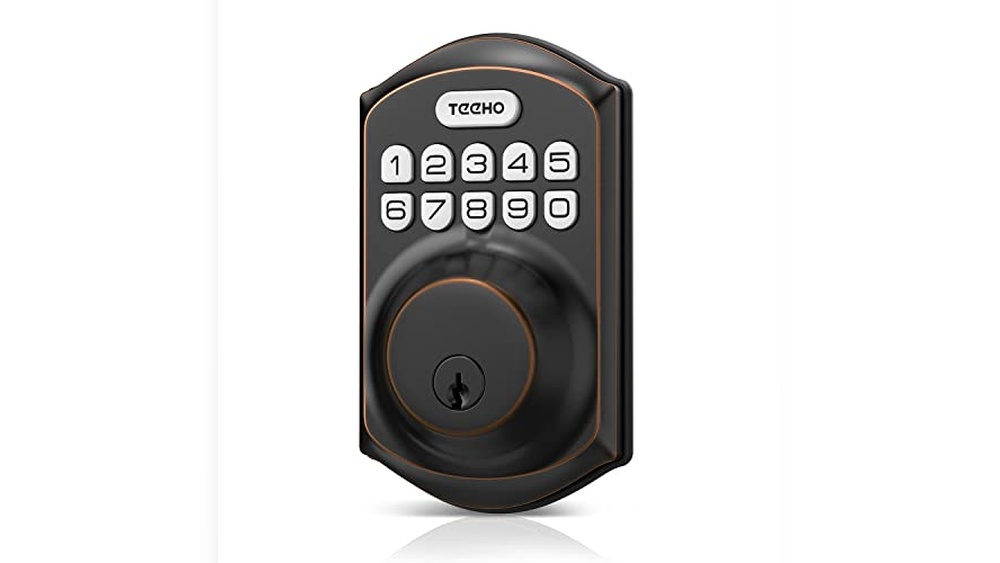
Have you ever faced the frustration of a deadbolt turret that just won’t turn? It’s a common problem that can leave you feeling stuck and vulnerable.
But don’t worry—activating your deadbolt turret is easier than you think. You’ll discover simple, step-by-step solutions that will get your lock working smoothly again. Keep reading, and you’ll gain the confidence to secure your home quickly and without hassle.

Credit: attackofthefanboy.com
Tools Needed
Activating a deadbolt turret requires a few basic tools. Having the right tools helps the process go smoothly. It also prevents damage to your lock or door.
Gather these tools before starting. Each one plays an important role in activating the turret safely and correctly.
Phillips Screwdriver
A Phillips screwdriver is essential for removing screws. Most deadbolt turrets have screws holding the cover or faceplate. Use this tool to carefully take off these screws without stripping them.
Flathead Screwdriver
A flathead screwdriver helps to pry or adjust small parts. It can also assist in aligning the turret components. This tool is useful for gentle prying and fine adjustments during activation.
Measuring Tape
Measuring tape checks the turret size and door thickness. Accurate measurements ensure the deadbolt fits perfectly. It also helps to confirm the turret aligns with the door’s locking mechanism.
Lubricant Spray
Lubricant spray keeps the turret moving smoothly. It reduces friction and prevents sticking. Apply a small amount to the moving parts before activating the deadbolt turret for easier operation.

Credit: attackofthefanboy.com
Locate The Turret
Locating the turret is the first step to activate a deadbolt turret. It is important to find this part quickly and easily. The turret controls the locking mechanism inside the door. Knowing where it sits helps you understand how the deadbolt works.
The turret usually sits in the middle of the lock’s interior side. It connects the key cylinder to the bolt. Without finding the turret, activating the deadbolt can be confusing.
What Is A Deadbolt Turret?
The deadbolt turret is a small, round part inside the lock. It turns when you use the key or thumb turn. This turning moves the bolt into or out of the door frame. The turret links the key to the locking bolt.
Where To Look For The Turret
Open the door and look at the lock’s interior side. The turret is behind the thumb turn or the key cylinder. It is often round and centered. Sometimes, you may need to remove the cover plate to see it clearly.
Tools Needed To Locate The Turret
You might need a screwdriver to remove the lock cover. Use a flashlight for better visibility inside the lock. Avoid forcing parts to prevent damage. Take time to spot the turret carefully.
Remove The Cover Plate
Removing the cover plate is the first step to activate a deadbolt turret. The cover plate protects the internal parts. Taking it off gives access to the turret mechanism. This task is simple and requires only a few tools.
Locate The Screws Holding The Cover Plate
Look closely at the deadbolt. Find the small screws on the cover plate. These screws keep the plate in place. Use a flashlight if the screws are hard to see.
Use A Screwdriver To Remove The Screws
Choose the right screwdriver type. Usually, a Phillips or flat-head fits well. Turn the screws counterclockwise. Keep the screws safe for later use.
Gently Pull Off The Cover Plate
After removing screws, gently lift the cover plate. Do not force it. If it sticks, try to wiggle it slightly. Avoid bending or damaging the plate.
Inspect The Turret Mechanism
With the cover plate off, check the turret inside. Look for dirt or rust that may block movement. Clean the area if needed before proceeding.
Inspect The Mechanism
Inspecting the deadbolt turret mechanism is the first step to activate it. This step helps find any problems blocking the lock from working. A close look gives clues to fix or adjust the parts. It saves time and avoids damage later.
Start with a careful check of all visible parts. Look for dirt, rust, or broken pieces. These issues can stop the turret from turning smoothly. Clean the area gently to see the parts clearly. Use a flashlight if the light is low.
Check For Physical Damage
Look for cracks, bends, or worn-out parts on the turret. Damaged parts can prevent the lock from moving. Replace any broken pieces before trying to activate the lock. Avoid forcing the mechanism to turn if you find damage.
Examine The Lock Cylinder
The lock cylinder should turn freely without sticking. Try to turn it with the key or by hand. If it feels stuck, dirt or rust might be inside. Cleaning or lubricating the cylinder can help it move smoothly again.
Test The Deadbolt Movement
Try moving the deadbolt back and forth by hand. It should slide easily without resistance. If it feels stuck, check for misalignment or debris inside the lock. Fix any blockage to allow smooth deadbolt action.
Look At The Turret’s Alignment
The turret must line up correctly with the lock’s internal parts. Misalignment can stop the deadbolt from turning. Adjust the turret’s position carefully if it looks off-center. Proper alignment makes activation easier and safer.
Align The Turret
Aligning the turret is a key step in activating a deadbolt turret. It ensures the lock works smoothly and secures the door properly.
Proper alignment helps the turret connect with the lock mechanism. This alignment allows the deadbolt to move without getting stuck.
Check The Turret Position
Start by examining the turret’s position inside the lock. It should sit straight and not tilt to one side. A crooked turret can block the deadbolt from moving.
Match The Turret With The Lock Plate
Align the turret so it fits perfectly with the lock plate. The turret’s flat side must face the correct direction to engage the bolt. This step is crucial for smooth operation.
Test The Rotation Of The Turret
Turn the turret slowly to see if it moves freely. If it feels stuck, adjust the position slightly. The turret should rotate without resistance for easy locking and unlocking.
Secure The Turret In Place
Once aligned, tighten any screws or fasteners holding the turret. This prevents the turret from shifting out of place. A secure turret keeps the lock reliable and safe.
Test The Lock Function
Testing the lock function is an important step after installing a deadbolt turret. It ensures the lock works smoothly and keeps your door secure. This step helps find any issues early and avoids future problems.
Checking the lock function means turning the key or knob to see if the deadbolt moves correctly. It should slide in and out without sticking or resistance. Smooth movement means the lock is set up properly.
Turn The Key Or Knob Slowly
Insert the key or use the knob gently. Turn it slowly to feel how the lock operates. If it moves easily, the lock is working right. If it feels tight or stuck, it needs adjustment.
Check Both Lock And Unlock Positions
Test the lock in both locked and unlocked states. Make sure the deadbolt fully extends and retracts. Partial movement can cause security issues or lock damage.
Listen For Unusual Sounds
Pay attention to any strange noises. Grinding or clicking sounds may mean the lock parts are misaligned. Fixing these sounds early prevents bigger problems.
Test With The Door Closed And Open
Try locking and unlocking with the door open and closed. The lock should work smoothly in both cases. This shows proper alignment of the lock and door frame.
Reassemble The Deadbolt
Reassembling the deadbolt is an important step after fixing or activating the turret. This process puts all parts back together so the lock works smoothly. Care and attention are key to avoid problems later.
Follow each step carefully. Ensure all pieces fit as they should. Proper reassembly helps keep your door secure and easy to lock.
Align The Deadbolt Components
Start by placing the bolt back into the door. Make sure it slides without resistance. Align the turret with the bolt mechanism inside the door. Check the parts fit tightly and do not wobble.
Secure The Faceplate
Attach the faceplate over the bolt. Use screws to hold it firmly in place. Tighten screws evenly to avoid misalignment. The faceplate should sit flush against the door surface.
Reattach The Exterior And Interior Handles
Place the outside handle first, aligning it with the turret. Then fit the inside handle or thumb turn. Connect both with the spindle through the door. Confirm handles turn the bolt smoothly.
Test The Lock Operation
Turn the key or knob to move the deadbolt. Check it extends and retracts fully. Listen for any unusual sounds or sticking. Adjust parts if the lock does not work correctly.
Troubleshooting Tips
Troubleshooting a deadbolt turret can save time and effort. It helps identify simple problems that stop the lock from working. Checking the turret carefully often reveals the issue. Here are some common problems and how to fix them.
Stuck Turret
A stuck turret often means dirt or rust inside the lock. Use a lubricant spray to loosen it. Turn the key gently while spraying. Avoid forcing the turret to prevent damage. Regular cleaning keeps the turret moving smoothly.
Misaligned Components
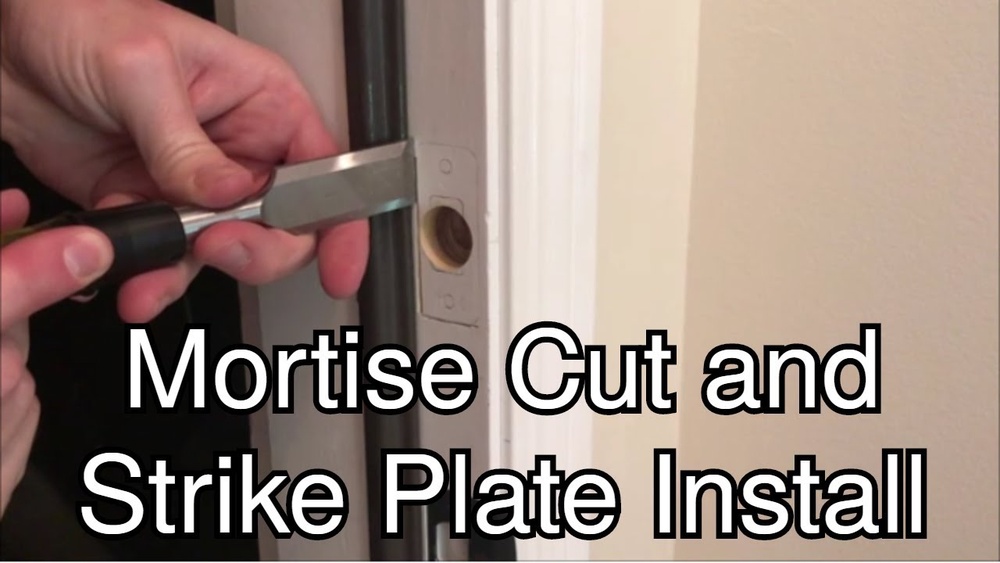
Sometimes, parts inside the lock do not line up correctly. This stops the turret from turning. Tighten loose screws around the lock. Adjust the strike plate on the door frame. Proper alignment lets the turret move freely.
Damaged Parts
Broken or worn parts block the deadbolt turret. Look for cracked or bent pieces inside the lock. Replace damaged parts with new ones from hardware stores. Using the right parts ensures the lock works well again.

Credit: www.youtube.com
Frequently Asked Questions
How Do I Activate A Deadbolt Turret Lock?
To activate a deadbolt turret, insert the key or thumb turn and turn it clockwise. This engages the bolt into the door frame, securing the door firmly.
What Tools Are Needed To Activate A Deadbolt Turret?
Typically, no special tools are needed. You only require the key or thumb turn to activate the deadbolt turret.
Can A Deadbolt Turret Be Activated Without A Key?
Yes, if your deadbolt has a thumb turn on the inside, you can activate it manually without a key.
Why Won’t My Deadbolt Turret Activate Properly?
The turret may be misaligned, obstructed, or the key might be worn. Check the lock and lubricate if necessary.
Conclusion
Activating a deadbolt turret is simple with the right steps. Start by checking the lock’s parts carefully. Use the correct tools to avoid damage. Turn the turret gently until it moves smoothly. Test the lock several times to ensure it works well.
Take your time and stay patient throughout the process. This way, you keep your home safe and secure. Small efforts can prevent big problems later. Keep this guide handy for future reference. Your door will lock properly and give you peace of mind.