Have you ever wondered just how easy it is to pick a deadbolt lock? You might think these locks are nearly impossible to crack, but the truth might surprise you.
Understanding how vulnerable—or secure—your deadbolt really is can make all the difference in protecting your home. You’ll discover what makes deadbolt locks tick, how someone might try to pick them, and what you can do to keep your door truly safe.
Keep reading to find out if your lock is as strong as you think.

Credit: www.wikihow.com
Types Of Deadbolt Locks
Deadbolt locks come in several types. Each type offers different security levels and ease of use. Knowing these types helps to understand how easy or hard they are to pick.
Single Cylinder Deadbolts
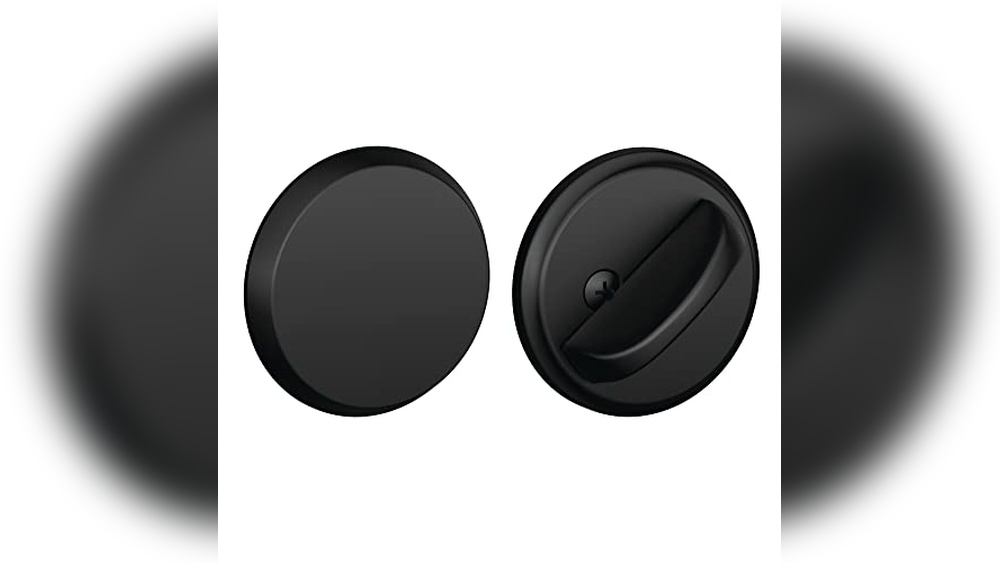
Single cylinder deadbolts have a keyhole on the outside. Inside, they use a thumb turn to lock or unlock. They are common in many homes. Picking them is easier than some other types. The keyhole is vulnerable to lock picking tools.
Double Cylinder Deadbolts
Double cylinder deadbolts need a key on both sides. This means no thumb turn inside. They are harder to pick because both sides need a key. This adds security but can be risky in emergencies. Picking tools must work on both sides to open the lock.
Smart Deadbolts
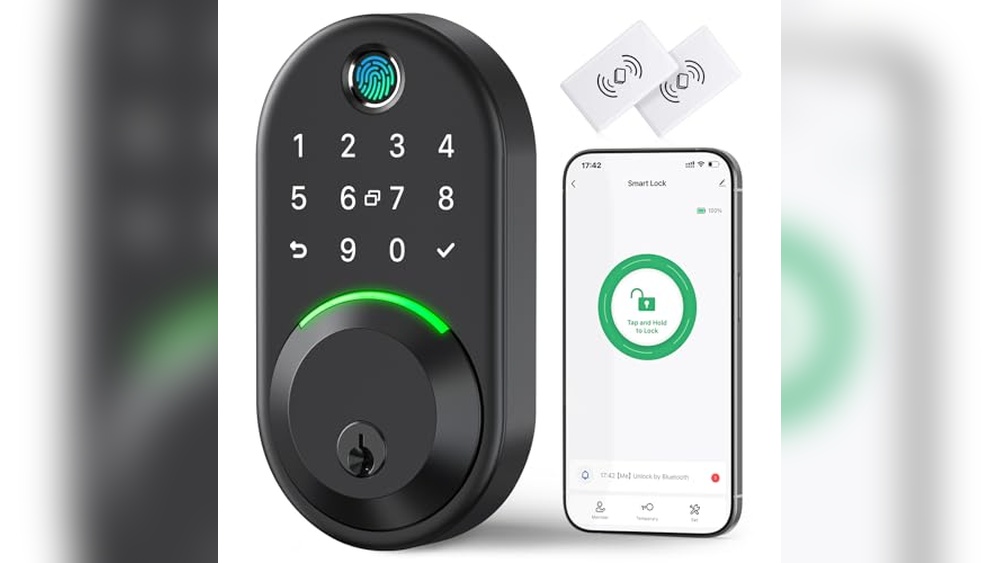
Smart deadbolts use digital codes or apps to unlock. They do not have traditional keyholes. This makes picking them very difficult. Hackers might try to bypass the system, but physical lock picking is rare. These locks offer convenience and stronger protection.

Credit: www.youtube.com
Common Picking Techniques
Deadbolt locks are common in homes and businesses. Many wonder how easy it is to pick them. Understanding common picking techniques helps to know their security level. These methods vary in skill and tools needed. Some are quick, others need patience and practice. Below are three popular picking techniques used on deadbolt locks.
Raking Method
The raking method uses a special tool called a rake. The picker moves the rake back and forth inside the lock. This action tries to push the pins to the correct position quickly. It is faster than picking each pin one by one. This method works best on cheaper or older locks. High-quality deadbolts may resist raking due to tighter pin arrangements.
Single Pin Picking
Single pin picking is more precise and slower. The picker lifts each pin individually to the correct height. This method needs a good tension wrench and a pick. It takes skill and patience but works on many locks. Single pin picking can open complex deadbolts. This technique is common among professional locksmiths.
Bump Key Usage
A bump key is a specially cut key that fits many locks. The picker inserts the bump key and taps it to move pins. This action causes the pins to jump and unlock the deadbolt. Bump keys are easy to use but require practice for timing. Some deadbolts have features to prevent bump key attacks.
Factors Affecting Pickability
Picking a deadbolt lock depends on several key factors. These factors affect how easy or hard it is to pick the lock. Understanding them helps in choosing a secure deadbolt for your home or office.
Lock Quality And Brand
Higher quality locks are harder to pick. Trusted brands use better materials and precise manufacturing. Cheaper locks often have loose parts, making them easier to manipulate. Brand reputation often reflects the lock’s reliability and security.
Pin Configuration
The number and type of pins inside a lock affect pickability. More pins mean more complexity. Standard pins are easier to pick than spool or mushroom pins. These special pins cause false feedback, confusing the picker and increasing difficulty.
Security Features
Extra security features make picking tougher. Anti-pick pins, sidebars, and hardened inserts add protection. Some locks have rotating pins that resist tension tools. These features slow down or stop lock picking attempts effectively.
How Skilled Are Lock Pickers?
How skilled lock pickers are varies a lot. Some have years of training. Others just try for fun. The skill level affects how easy it is to pick a deadbolt lock. Understanding these skill groups helps see the risks.
Professional Locksmiths
Professional locksmiths train for months or years. They know many lock types and tools. They use precise techniques to pick deadbolts quickly. Their goal is to open locks without damage. They follow legal rules and work for safety.
Hobbyist Pickers
Hobbyist pickers learn lock picking as a hobby. They practice on simple locks at home. Their skills are mixed; some get very good. They often share tips in online groups. They do not use their skills for harm.
Criminals
Criminals may have different skill levels. Some are very skilled and fast. Others are less experienced and slow. They pick locks to break in or steal. Their goal is to avoid being caught. Deadbolts with better security slow them down.
Time Required To Pick A Deadbolt
Picking a deadbolt lock takes different amounts of time. It depends on the type of deadbolt and the skill of the person picking it. Some deadbolts are easy to pick and take only a few minutes. Others are made to be very hard and can take much longer.
Simple Deadbolts
Simple deadbolts usually take less time to pick. These locks have fewer pins inside. A person with basic tools can pick them in a few minutes. Sometimes, it can take even less than a minute. These locks are common in older homes and cheaper models.
Because they are easier to pick, they offer less security. It is important to know this when choosing a lock for your home.
High-security Deadbolts
High-security deadbolts are much harder to pick. They have more pins and special designs inside. These locks may take an expert much longer to open. Sometimes, it can take 15 minutes or even hours. Some high-security locks are nearly impossible to pick without the right key.
These deadbolts are best for protecting valuable places. They add strong security but usually cost more money.

Credit: www.youtube.com
Tools Used For Picking Deadbolts
Picking a deadbolt lock needs specific tools. These tools help move the lock’s pins to open it without a key. Different tools work in different ways. Some need skill and patience. Others work faster but require electricity or batteries. Understanding these tools gives insight into how easy or hard it is to pick a deadbolt.
Lock Picks And Tension Wrenches
Lock picks are thin metal tools used to lift the pins inside a deadbolt. They come in many shapes, like hooks or rakes. A tension wrench applies pressure to the lock cylinder. This pressure holds the pins in place when lifted. Using these tools together needs practice. It is the classic way to pick a deadbolt.
Electric Pick Guns
Electric pick guns use rapid movements to move the pins. They work by vibrating or snapping the pins up. This method can be faster than manual picking. The user still needs to apply tension with a wrench. These tools require batteries or electricity to work. They make picking a deadbolt easier for some people.
Other Bypassing Tools
Other tools include bump keys and shim tools. Bump keys fit into the lock and create a force to move the pins. Shim tools slide between the lock and the door to release the latch. These tools do not pick the pins directly. They offer alternative ways to open deadbolts without a key.
Preventing Deadbolt Picking
Deadbolt locks are common for home security. Picking these locks is a known risk. Preventing deadbolt picking is important to keep homes safe. Simple deadbolts can be vulnerable to skilled intruders. Enhancing lock security reduces this risk effectively.
Upgrading Lock Mechanisms
Basic deadbolts often lack advanced features. Upgrading to high-security locks adds protection. These locks have stronger materials and designs. They resist drilling and forced entry. Some use complex keyways that are hard to pick. Choosing certified locks can improve safety greatly.
Using Security Pins
Security pins make picking difficult. Standard pins allow easy manipulation with tools. Security pins include spool or mushroom shapes. They create false feedback for the picker. This slows down or stops picking attempts. Many high-quality deadbolts include these pins already.
Additional Security Measures
Extra steps strengthen overall door security. Reinforcing door frames prevents force attacks. Installing strike plates with long screws adds strength. Using smart locks with alarms alerts owners. Security cameras deter potential intruders. Combining methods creates a secure environment.
Legal And Ethical Considerations
Picking a deadbolt lock is a skill that carries important legal and ethical responsibilities. Understanding these rules helps avoid trouble. Respecting others’ property and privacy is key. Learning about laws and ethical use makes the skill valuable and safe.
Lock Picking Laws
Many places have strict laws about lock picking tools. Owning tools can be illegal without permission. Using these tools on locks you do not own is a crime. Some regions allow lock picking only with a license or for locksmiths. Always check local laws before handling lock picking tools. Breaking these laws can lead to fines or jail time.
Ethical Use Of Picking Skills
Use lock picking skills only for legal purposes. Practice on locks you own or have permission to pick. Avoid using the skill to enter private property. Ethical use builds trust and respect. Helping friends or family with their locks is acceptable. Remember, misuse harms others and can cause serious problems.
Frequently Asked Questions
How Easy Is It To Pick A Deadbolt Lock?
Picking a deadbolt lock can be challenging for beginners. It requires specialized tools and skills. High-quality deadbolts are designed to resist picking, making unauthorized entry difficult and time-consuming.
What Tools Are Needed To Pick A Deadbolt Lock?
To pick a deadbolt, you typically need a tension wrench and a lock pick. These tools help manipulate the lock’s pins. However, using these tools effectively requires practice and knowledge of lock mechanisms.
Can All Deadbolt Locks Be Picked Easily?
Not all deadbolt locks can be picked easily. High-security deadbolts have anti-pick features like spool pins. These features increase the difficulty level, providing better protection against lock picking attempts.
How Long Does It Take To Pick A Deadbolt Lock?
The time varies based on lock quality and skill level. For experts, it may take a few minutes. For beginners, it can take significantly longer or be impossible without proper tools.
Conclusion
Picking a deadbolt lock is not as easy as it seems. It takes skill, patience, and the right tools. Most people do not have these tools or know-how. Deadbolts provide strong security for homes and businesses. Choosing a good quality deadbolt is important.
It helps keep your property safe from intruders. Always use locks that match your security needs. Understanding how locks work can help you protect your space better. Stay informed and choose wisely for peace of mind.