Are you looking to install a gas wall heater but don’t know where to start? Hooking up a gas wall heater might seem tricky, but with the right steps, you can do it safely and efficiently.
Imagine enjoying cozy warmth in your home this winter without calling a professional or waiting days for help. This guide will walk you through everything you need to know, making the process clear and simple. Keep reading, and you’ll be ready to set up your gas wall heater with confidence.
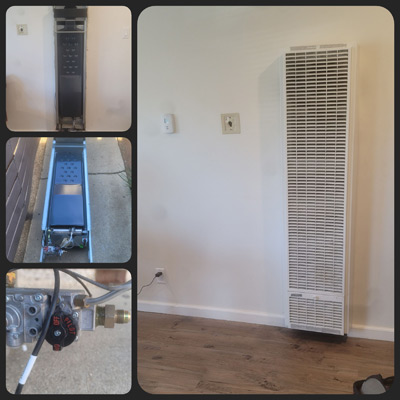
Credit: www.californiaac.com
Choosing The Right Gas Wall Heater
Choosing the right gas wall heater is crucial for comfort and safety. The heater must fit your space and heating needs. It should also meet safety standards. This section helps you select the best heater for your home.
Types Of Gas Wall Heaters
There are several types of gas wall heaters. Vent-free heaters release warm air directly into the room. They are easy to install but need good ventilation. Ventilated heaters connect to a vent or chimney. They are safer for enclosed spaces. Some models use natural gas, while others use propane. Choose the type that suits your home’s gas supply and ventilation.
Sizing Your Heater
Heater size depends on the room’s square footage. A small heater may not warm the room enough. A large heater wastes energy and space. Check the heater’s BTU rating. BTU shows how much heat the heater produces. Match the BTU to your room size for efficient heating. Most manufacturers provide size guides to help you decide.
Safety Certifications To Look For
Safety is important when choosing a gas wall heater. Look for certifications from recognized organizations. The CSA mark or UL listing shows the heater meets safety standards. These certifications ensure the heater has been tested for safe use. Also, check for safety features like automatic shut-off and oxygen depletion sensors. These features protect you and your family from accidents.
Gathering Necessary Tools And Materials
Preparing to hook up a gas wall heater requires careful planning. Gathering the right tools and materials ensures a smooth installation. It saves time and prevents mistakes. This step is crucial for safety and efficiency. Below are the key items you need to have on hand before starting the job.
Essential Tools Checklist
- Adjustable wrench for tightening connections
- Pipe wrench for gripping gas pipes
- Screwdrivers (flathead and Phillips) for securing screws
- Pipe cutter to trim gas lines cleanly
- Level to ensure the heater mounts straight
- Drill with bits for wall mounting
- Teflon tape for sealing threaded connections
- Gas leak detector or soapy water for safety checks
- Measuring tape to confirm proper placement
Required Materials For Installation
- Gas wall heater unit specified for your space
- Flexible gas line or rigid piping as per code
- Gas shut-off valve for emergency control
- Wall mounting brackets or hardware included with heater
- Vent pipe and vent cap if the model requires venting
- Gas pipe fittings like elbows and connectors
- Sealant approved for gas connections
- Fire-resistant insulation or clearance spacers if required
Preparing The Installation Site
Preparing the installation site is the first step for hooking up a gas wall heater. This step ensures safety and proper function. It involves choosing the right spot, checking airflow, and turning off the gas supply. Each task is important to avoid problems later.
Selecting The Location
Pick a spot that is close to an existing gas line. The wall should be strong enough to hold the heater. Avoid places near curtains or flammable materials. Choose a location that heats the room evenly. Make sure the spot is easy to reach for maintenance.
Checking Ventilation And Clearance
Good airflow prevents dangerous gas buildup. Check the room for enough fresh air. Keep the heater clear of furniture and other objects. Follow the heater’s manual for exact clearance distances. Proper ventilation helps the heater work safely and well.
Turning Off Gas Supply
Before starting, shut off the main gas valve. This step prevents gas leaks and accidents. Use a wrench to close the valve tightly. Double-check to ensure the gas is fully off. Only proceed after confirming no gas is flowing.

Credit: www.mitindore.co.in
Connecting The Gas Line
Connecting the gas line to your wall heater is a critical step. It ensures safe and efficient heating in your home. Take your time and follow each step carefully. Safety should always be your top priority.
Shutting Off Main Gas Valve
Start by turning off the main gas valve. This stops gas flow to the entire house. Find the valve near your gas meter or where the gas line enters your home. Turn it clockwise until it stops. Double-check that no gas is leaking before you begin work.
Installing Gas Piping
Choose the right type of piping for your heater. Usually, black iron or flexible gas lines work best. Measure the distance carefully. Cut the pipe to the correct length. Attach the pipe to the heater’s gas inlet. Use proper fittings to connect the pipe to the main gas line. Tighten all connections firmly but avoid over-tightening.
Using Thread Sealant Safely
Apply thread sealant or gas-rated pipe dope to threaded joints. This prevents gas leaks at connection points. Avoid using regular tape or sealants not meant for gas lines. Apply sealant evenly and sparingly. Let it dry as per product instructions before turning gas back on.
Mounting The Heater Unit
Mounting the heater unit is a crucial step in setting up a gas wall heater. A properly mounted heater stays secure and works safely. This part requires care and accuracy. Follow the steps carefully to avoid any issues.
Marking And Drilling Mounting Points
First, hold the heater against the wall at the desired height. Use a pencil to mark the holes for the mounting screws. Check the marks twice to ensure they are level. Use a drill bit that matches the size of the wall anchors. Drill holes carefully at the marked spots. Clean out any dust from the holes before inserting anchors.
Securing The Heater To The Wall
Insert wall anchors into the drilled holes. Align the heater’s mounting brackets with the anchors. Use screws to fasten the heater tightly to the wall. Avoid over-tightening to prevent damage. Give the heater a gentle shake to check stability. A firmly mounted heater will not move or wobble.
Hooking Up Electrical Connections
Hooking up electrical connections for a gas wall heater requires care and attention. Proper wiring ensures the heater runs safely and efficiently. Mistakes can lead to electrical faults or poor heater performance. Follow clear steps to connect power and controls correctly.
Power Requirements
Check the heater’s power rating on its label. Most gas wall heaters need a standard 120-volt electrical supply. Confirm your home’s circuit can handle this load. Use a dedicated circuit if possible to avoid overloads. Always turn off power at the breaker box before starting work. Use a voltage tester to ensure no electricity flows before wiring.
Wiring The Heater Controls
Locate the heater’s control box or thermostat wiring terminals. Connect the wires according to the heater’s manual instructions. Typically, connect the live (hot) wire to the control’s power input. The neutral wire goes to the common terminal. Ground wires must attach to the heater’s metal frame or grounding screw. Secure all connections tightly with wire nuts or terminal screws. Double-check wiring for correct placement before restoring power.
Testing For Gas Leaks
Testing for gas leaks is a crucial step after hooking up a gas wall heater. It ensures safety and prevents dangerous gas buildup. Checking every connection carefully helps protect your home and family.
Using Soapy Water Method
Mix water with liquid soap in a spray bottle. Spray the soapy water on all gas connections and joints. Watch for bubbles forming at these points. Bubbles mean gas is escaping and there is a leak. This method is simple and effective for spotting leaks fast.
Recognizing And Addressing Leaks
Leaks often produce a faint sulfur or rotten egg smell. Listen closely for a hissing sound near the heater. If you detect these signs, do not use the heater. Turn off the gas supply immediately. Tighten fittings or replace faulty parts to fix leaks. Call a professional if you are unsure or if leaks persist.
Starting The Heater Safely
Starting a gas wall heater safely is very important. It protects your home and keeps you safe. Taking careful steps helps avoid accidents and ensures the heater works well. Follow each step slowly and watch the heater closely.
Initial Ignition Steps
First, check that the gas valve is off. Open a window for fresh air. Turn the gas valve on slowly. Use the ignition switch or lighter to light the pilot. Hold the button until the pilot stays lit. Do not rush this process. If the pilot goes out, wait five minutes before trying again.
Monitoring For Proper Operation
After ignition, watch the flame carefully. It should be steady and blue. A yellow or flickering flame means a problem. Listen for any strange noises. Check for gas smells around the heater. If you detect gas, turn off the heater immediately. Ensure the heater warms the room evenly. Turn the heater off and on to test controls. Regular checks keep your heater safe and efficient.
Maintenance Tips For Longevity
Proper maintenance helps your gas wall heater last longer and work better. Simple steps keep it safe and efficient. Follow these tips to protect your heater and enjoy warm rooms every day.
Regular Cleaning
Dust and dirt reduce heater efficiency. Clean the heater’s vents and surface often. Use a soft brush or cloth to remove debris. Avoid water or harsh cleaners on the heater parts. Clean filters regularly to keep air flowing well.
Scheduling Professional Inspections
Hire a professional to inspect the heater each year. Experts check for leaks, blockages, and worn parts. They ensure the gas connections are safe. Regular checks prevent breakdowns and costly repairs. Trusting a pro keeps your home safe and warm.

Credit: www.youtube.com
Frequently Asked Questions
How Do I Connect A Gas Wall Heater Safely?
To connect a gas wall heater safely, turn off the gas supply first. Use proper fittings and sealants. Follow local codes and manufacturer instructions. If unsure, hire a licensed professional to avoid leaks and hazards.
What Tools Are Needed To Hook Up A Gas Wall Heater?
Essential tools include a pipe wrench, adjustable wrench, Teflon tape, pipe cutter, and screwdrivers. These help in securing connections, cutting pipes, and sealing joints properly for a safe installation.
Can I Install A Gas Wall Heater Myself?
Yes, if you have plumbing and gas experience. Always follow safety codes and manufacturer guidelines. For complex setups or doubts, hire a certified technician to ensure safe and proper installation.
How Do I Check For Gas Leaks After Installation?
Apply soapy water to all connections. Look for bubbles indicating leaks. Never use an open flame. If leaks appear, tighten fittings or call a professional immediately.
Conclusion
Hooking up a gas wall heater can be simple and safe. Follow each step with care and patience. Always check for leaks before using the heater. Make sure to read the manual and local rules. Proper installation keeps your home warm and secure.
Take your time, and don’t rush the process. Safety matters most when working with gas appliances. Enjoy the comfort your heater provides during cold days.