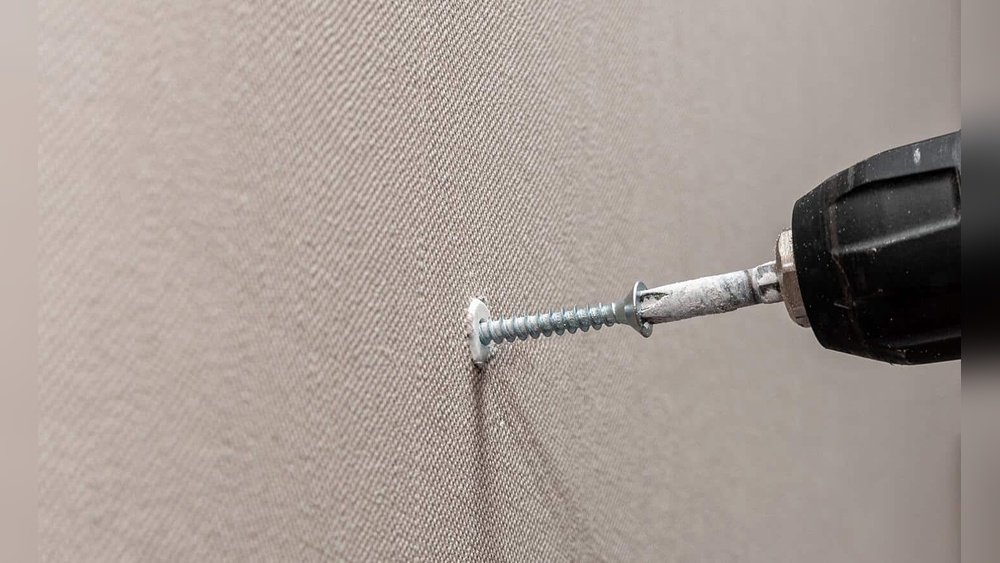
Have you ever wondered how deep those wall anchor screws actually go into your wall? Knowing the right depth is key to making sure your shelves, pictures, or heavy items stay secure without damaging your walls.
If you’ve struggled with anchors that don’t hold or walls that crack, this guide is for you. Keep reading, and you’ll learn exactly how far to insert wall anchor screws to get the strongest, safest hold every time.
Credit: www.homedepot.com
Types Of Wall Anchors
Wall anchors help secure screws in walls. They provide extra hold in drywall or hollow walls. Different types suit different weights and wall materials. Choosing the right anchor is key for strong support.
Plastic Expansion Anchors
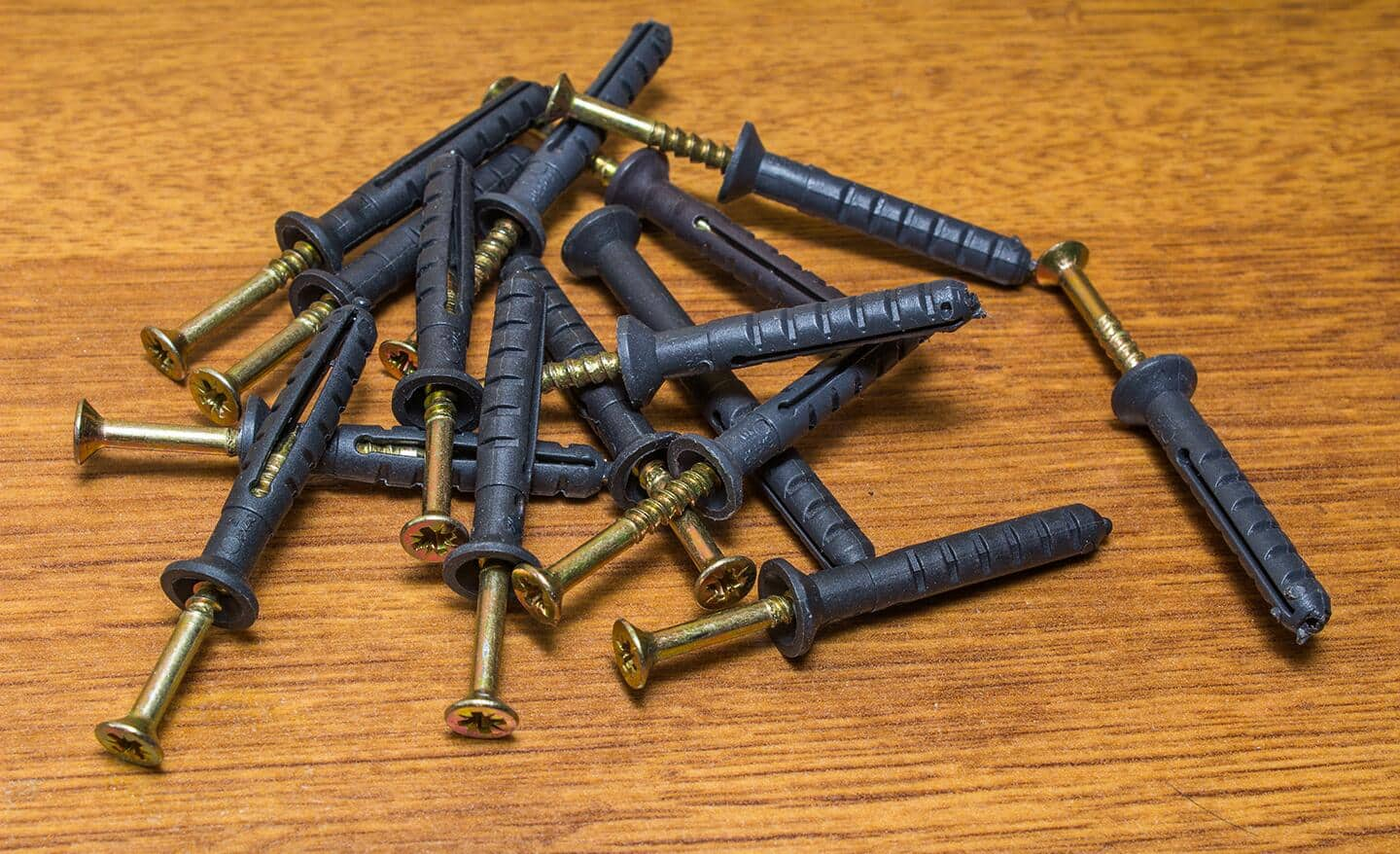
Plastic expansion anchors are common and easy to use. Inserted into a drilled hole, they expand as the screw goes in. This expansion grips the wall tightly. Best for light to medium loads on drywall.
Toggle Bolts
Toggle bolts have wings that open inside the wall. These wings spread the weight over a large area. They hold heavy items well on hollow walls. Requires a larger hole to fit the folded wings.
Molly Bolts
Molly bolts are metal anchors that expand behind the wall. They create a strong grip for medium to heavy loads. Once expanded, they stay in place firmly. Great for drywall and plaster walls.
Self-drilling Anchors
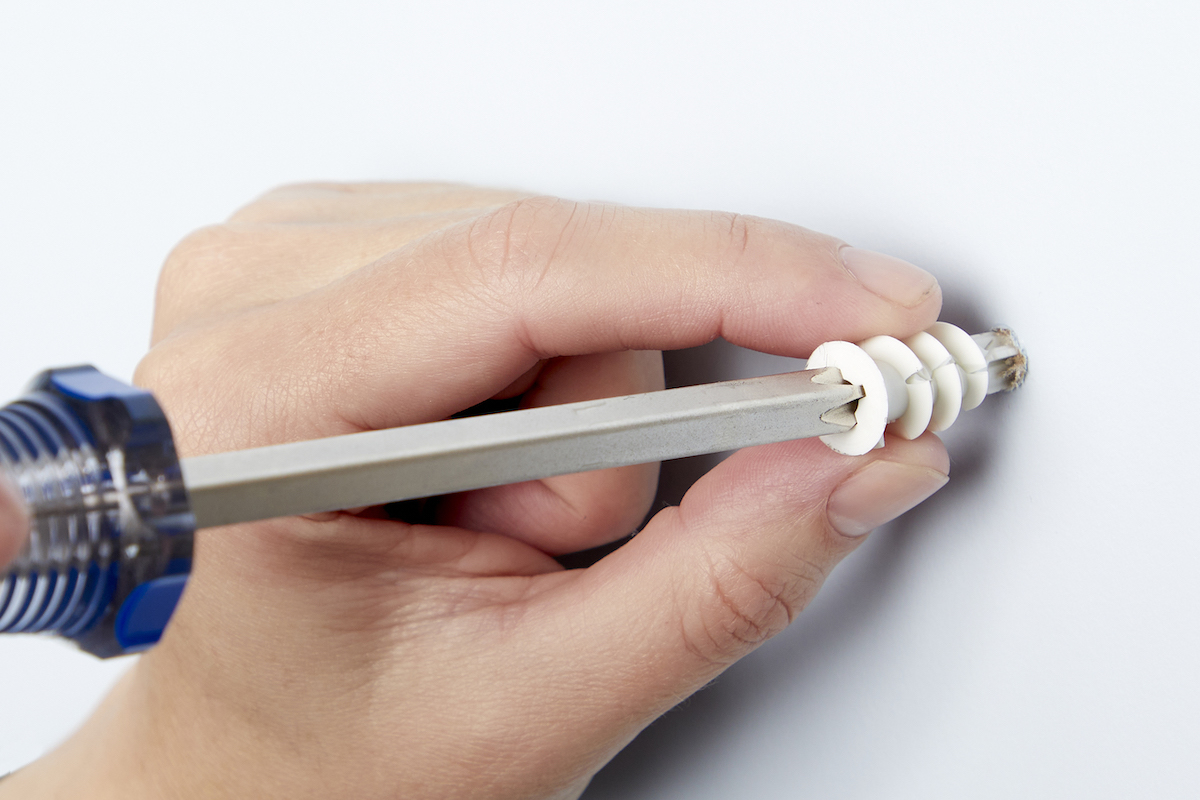
Self-drilling anchors do not need a pre-drilled hole. They screw directly into the wall surface. This saves time and effort during installation. Suitable for light to medium loads on drywall.
Choosing The Right Anchor Length
Choosing the right anchor length is key to a secure hold. A wall anchor that is too short may not hold well. One that is too long can be wasteful or cause damage. Understanding how deep anchors go helps pick the best size for your project.
Matching Anchor To Wall Material
Different walls need different anchor lengths. Drywall anchors should go deep enough to grip behind the surface. Concrete or brick walls require longer anchors to reach solid material. Always check the wall type before choosing the anchor size.
Considering Weight Capacity
The weight of the object affects anchor length choice. Heavier items need anchors that reach deeper for strong support. Light objects can use shorter anchors safely. Never use a short anchor for heavy loads.
Anchor Diameter And Length
The diameter and length work together for strength. Thicker anchors usually go deeper to hold more weight. Thin anchors are shorter and fit smaller holes. Match the diameter and length to your wall and load needs.
Depth Requirements For Different Walls
Different wall types need different depths for wall anchor screws. The depth affects how strong the hold will be. Choosing the right depth keeps your items safe and secure. Knowing the wall material helps decide the correct anchor length and depth.
Drywall Installation Depth
Drywall is soft and thin. Anchors must go deep enough to reach the stud or spread wide inside the drywall. Usually, 1 to 1.5 inches is enough. Using longer anchors may cause damage or weak hold. The anchor should grip firmly without breaking the drywall surface.
Concrete And Brick Walls
Concrete and brick are hard and dense. Anchors need to go at least 1.5 to 2 inches deep for a strong hold. Drill a hole slightly deeper than the anchor length. This allows dust to clear and anchor to fit fully. Deeper anchors reduce the chance of pull-out.
Hollow Vs. Solid Walls
Hollow walls have empty space inside. Anchors must expand or grip behind the wall. Depth depends on wall thickness and anchor type. Solid walls need anchors to go deep enough to hold tightly. Check wall thickness before choosing anchor length. Proper depth ensures safe and steady support.
Installation Techniques
Installing wall anchor screws correctly is key for a strong hold. Follow clear steps to ensure the anchor goes deep enough. Proper technique helps the screw stay secure in the wall.
Pre-drilling Guidelines
Start by choosing the right drill bit size. It should match the anchor’s diameter exactly. Drill a hole straight into the wall at the desired spot. Clean out dust and debris from the hole before insertion. This helps the anchor fit tightly and prevents slipping.
Inserting The Anchor
Push the anchor gently into the drilled hole. Use your fingers or a hammer with light taps. The anchor should sit flush with the wall surface. Avoid forcing it too deep, which can damage the wall. A snug fit ensures the anchor grips firmly inside.
Securing The Screw
Choose a screw length that fits the anchor and the item being mounted. Screw it slowly into the anchor until it feels tight. Stop once the screw head is flush with the surface. Over-tightening can strip the anchor or crack the wall.
Common Mistakes To Avoid
Wall anchor screws must be installed correctly for strong support. Mistakes can weaken the hold and damage the wall. Avoid these common errors to ensure a secure fit and long-lasting results.
Using Incorrect Anchor Length
Choosing the wrong anchor length is a frequent mistake. Too short anchors do not hold well in the wall. Too long anchors may pierce through or cause damage behind the wall. Always select anchors that match the wall thickness and screw length.
Ignoring Wall Material Type
Different walls need different anchors. Drywall, plaster, concrete, and brick require specific types. Using the wrong anchor can lead to poor grip and slipping. Identify the wall material before picking the anchor to ensure proper support.
Over-tightening Screws
Many people tighten screws too much. This can strip the anchor or crack the wall. Tighten screws just enough to hold the object firmly. Stop as soon as you feel resistance to avoid damage.
Credit: www.bobvila.com
Testing Anchor Stability
Testing anchor stability is key to making sure wall anchors hold well. Proper testing helps avoid accidents and keeps objects secure. It also shows if the anchors are still strong or need replacement. Simple checks can save time and effort later. Here are some easy ways to test anchor stability.
Visual Inspection
Look closely at the wall anchor and surrounding wall. Check for cracks, chips, or loose parts. Notice if the anchor is sticking out or moving. A stable anchor stays flush with the wall. Any damage or wobbling means the anchor might fail soon.
Weight Testing Methods
Apply a small weight to the anchor and watch closely. Start with a light load, then increase gradually. If the anchor holds without shifting, it is strong. If it pulls away or feels loose, it may not hold heavier items. This test shows the real strength of the anchor in use.
When To Replace Anchors
Replace anchors if they show signs of wear or damage. Loose or cracked anchors can cause accidents. Also, replace if the anchor moves under light pressure. Old anchors may lose grip inside the wall. Using new anchors ensures safety and reliability for your items.

Credit: www.tjlituo.com
Frequently Asked Questions
How Deep Should Wall Anchor Screws Be Inserted?
Wall anchor screws should penetrate at least 1. 5 to 2 inches into the wall. This ensures strong support and stability for the item being mounted.
Do Different Wall Types Affect Anchor Screw Depth?
Yes, drywall anchors usually require less depth than anchors for masonry or concrete walls. Always match anchor type and depth to wall material.
Can Too Deep Insertion Damage The Wall?
Yes, inserting screws too deep can weaken the wall structure. Proper depth avoids damage and maintains secure anchoring.
How To Measure The Right Screw Length For Anchors?
Measure the thickness of the wall and the anchor length. Choose a screw that extends fully into the anchor without excess length.
Conclusion
Wall anchor screws go deep enough to hold items firmly. The depth depends on wall type and anchor size. Always choose the right anchor for your wall. Proper installation keeps your items safe and secure. Knowing how far screws go helps avoid damage.
This makes your hanging projects easier and stronger. Use this guide to get the best results every time. Your walls will thank you with lasting support. Simple steps lead to a sturdy and reliable hold.


