
Are you struggling to securely attach your antenna pipe to a brick wall? Getting it right is crucial to keep your antenna stable, especially during strong winds or bad weather.
If the pipe isn’t anchored properly, you risk damaging your property or losing signal quality. In this guide, you’ll discover simple, step-by-step methods to anchor your antenna pipe safely and firmly. By the end, you’ll have the confidence to handle the job yourself, saving time and money.
Keep reading to learn how to make your antenna installation strong and reliable.
Choosing The Right Antenna Pipe
Choosing the right antenna pipe is important for a strong and stable setup. The pipe must hold the antenna firmly against the brick wall. A poor choice can lead to damage or weak signals. This section explains how to pick the best pipe for your antenna installation.
Material Options
Metal pipes are the most common choice for antenna mounts. Steel is strong and holds up well in wind. Galvanized steel resists rust and lasts longer outside. Aluminum is lighter but less strong than steel. Plastic pipes are not good for antennas because they break easily and do not hold weight well.
Length And Diameter Considerations
Choose a pipe length that fits your antenna height needs. Too short means poor signal reception. Too long makes the pipe heavy and harder to mount. The diameter should be thick enough to support the antenna weight. A 1 to 2 inch diameter pipe usually works well. Thin pipes can bend or break in strong wind.
Selecting Anchor Types
Selecting the right anchor type is crucial for a secure antenna pipe installation. The anchor must fit the brick wall and hold the pipe firmly in place. Different anchors work best for different wall conditions and pipe sizes. Knowing the options helps you choose the safest and most durable solution.
Expansion Anchors
Expansion anchors are common and easy to use. They work by expanding inside the drilled hole in the brick. This expansion creates a tight grip against the brick wall. These anchors are strong and hold well under weight. They suit most standard antenna pipe installations.
Sleeve Anchors
Sleeve anchors have a metal sleeve that expands as you tighten the bolt. This expansion presses against the brick wall, making a firm hold. They are ideal for heavier pipes or where extra strength is needed. Sleeve anchors resist vibrations well, keeping the pipe stable.
Chemical Anchors
Chemical anchors use a special resin or epoxy to hold the pipe. The resin fills the hole and hardens around the anchor rod. This creates a very strong and permanent bond with the brick. Chemical anchors work well in old or brittle brick walls. They provide excellent resistance to weather and stress.
Tools And Materials Needed
Anchoring an antenna pipe to a brick wall requires the right tools and materials. This ensures a strong and safe installation. Gathering everything before you start saves time and avoids frustration. Here are the essential items you will need.
Drill And Bits
A power drill is necessary to make holes in the brick. Use a masonry drill bit to penetrate the hard surface. The size of the bit depends on your anchor fasteners. Choose a drill with enough power for brickwork.
Anchor Fasteners
Anchor fasteners hold the antenna pipe securely to the wall. Sleeve anchors or expansion bolts work well for brick. Select fasteners long enough to go deep into the brick. This prevents the pipe from moving or falling.
Safety Gear
Safety gear protects you during drilling and installation. Wear safety glasses to shield your eyes from dust. Gloves protect your hands from sharp edges and rough bricks. A dust mask keeps you from inhaling brick particles.
Preparing The Brick Wall
Preparing the brick wall is the first step to anchor an antenna pipe securely. A solid base ensures the antenna stays stable and lasts long. This stage involves finding the right spot and making sure the surface is clean and ready for drilling.
Locating Suitable Areas
Choose a spot on the wall that is strong and free from cracks. Avoid areas near windows or thin mortar lines. Look for a place where the pipe will not block pathways or windows. The location should allow the antenna to stand straight and tall.
Cleaning And Marking
Clear the chosen spot by removing dust, dirt, and loose bricks. Use a wire brush or a stiff broom to clean the surface well. Mark the exact points for drilling with a pencil or chalk. Accurate marks help in drilling holes in the right place for anchors.
Drilling Anchor Holes
Drilling anchor holes is a key step in securing an antenna pipe to a brick wall. The holes must be precise to hold the anchors firmly. Proper drilling ensures the pipe stays stable over time. It also prevents damage to the bricks.
Choosing Drill Bit Size
Pick a drill bit that matches the anchor size. The bit should be slightly smaller than the anchor diameter. This helps the anchor grip the brick tightly. Using the right size avoids loose fittings or cracks.
Check the anchor packaging for recommended drill bit size. If unsure, test on a spare brick or hidden spot. A tight fit is essential for strong support.
Drilling Techniques For Brick
Use a hammer drill for best results on brick. Start drilling slowly to mark the spot. Increase speed once the bit is steady. Drill straight into the wall, not at an angle.
Clear dust from the hole regularly with a brush or air blower. This improves anchor grip and drilling efficiency. Avoid pushing too hard; let the drill do the work. Stop drilling once the hole reaches the needed depth.
Credit: www.amazon.com
Installing Anchors Securely
Installing anchors securely is key to fixing an antenna pipe to a brick wall. The anchors hold the pipe steady and keep it safe from wind and weather. Choosing the right anchor and installing it well stops the pipe from loosening or falling.
Careful preparation and correct tools help the anchor fit tightly in the wall. Drill the hole to the right size and clean out dust before placing the anchor. Tightening the anchor properly gives a strong hold that lasts long.
Setting Expansion Anchors
Expansion anchors work by spreading inside the hole to grip the brick. Drill a hole slightly smaller than the anchor to ensure a snug fit. Tap the anchor gently into the hole with a hammer until flush with the surface.
Use a screwdriver or wrench to tighten the screw or bolt inside the anchor. This expands the anchor and locks it firmly in place. Avoid overtightening, which can crack the brick or damage the anchor.
Check the anchor’s firmness by giving it a small pull. A secure anchor does not move or wiggle. Expansion anchors suit medium loads and are easy to install on brick walls.
Using Chemical Anchors Safely
Chemical anchors use special resin to bond the anchor to the wall. Drill a clean hole and remove dust with a brush or air blower. Insert the resin cartridge and inject the chemical into the hole.
Push the anchor rod or sleeve into the resin-filled hole. Hold it steady until the resin cures and hardens. Follow the resin manufacturer’s instructions for cure time and safety precautions.
Wear gloves and eye protection to avoid skin or eye contact. Chemical anchors provide a very strong hold, ideal for heavy antenna pipes. Proper ventilation helps reduce fumes during installation.
Attaching The Antenna Pipe
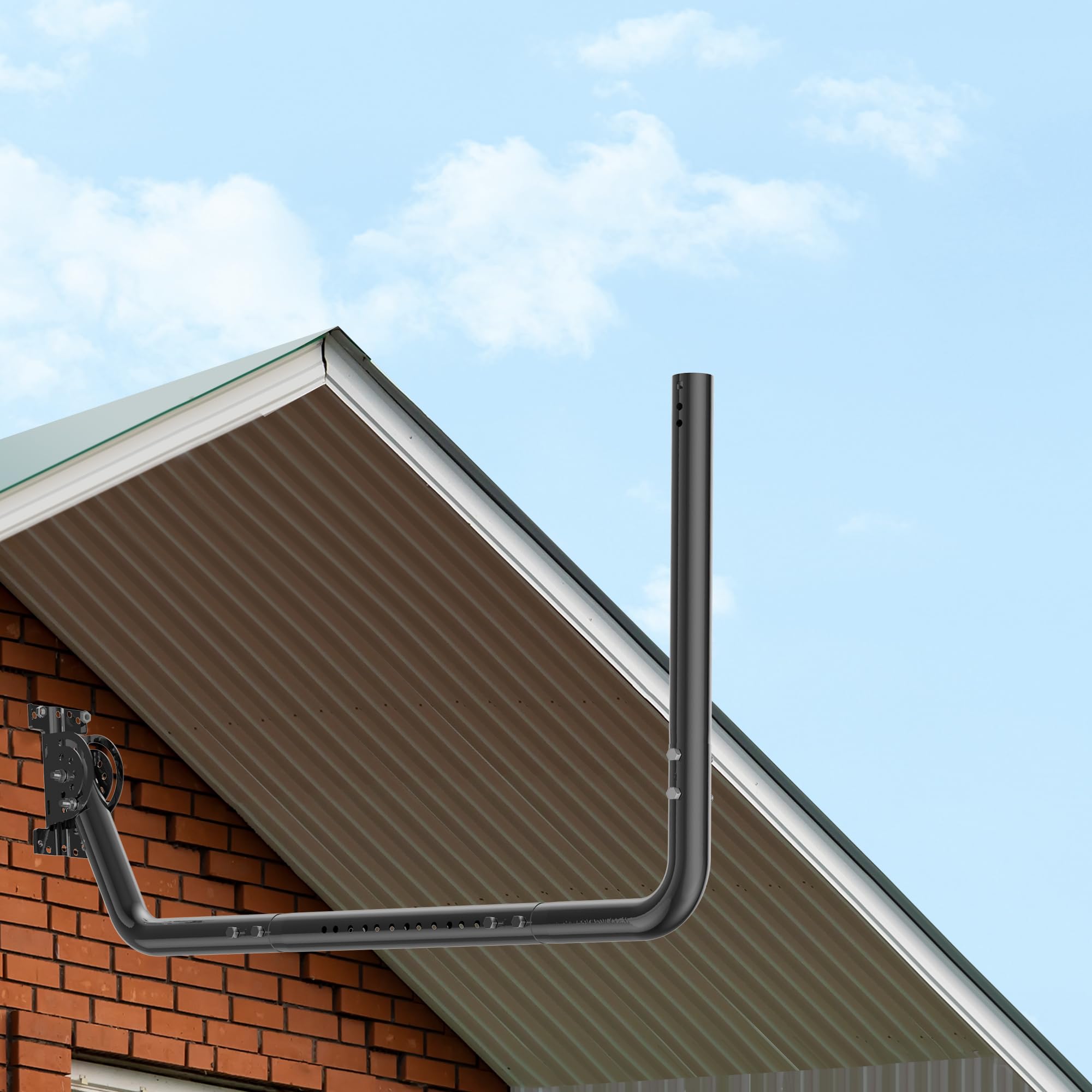
Attaching the antenna pipe to a brick wall requires care and precision. The pipe must be fixed firmly to avoid movement and ensure strong signal reception. Correct attachment also helps the antenna resist wind and weather.
Aligning And Securing
Start by positioning the antenna pipe in the desired spot on the brick wall. Use a level to make sure the pipe stands straight up. Mark the points where the pipe will touch the wall. These marks guide where to place anchors or screws. Secure the pipe temporarily with tape or a helper to keep it steady during the next steps.
Using Clamps And Brackets
Select clamps or brackets that fit the pipe size. Attach them around the pipe tightly but not too tight to avoid damage. Drill holes into the brick at the marked points using a masonry bit. Insert wall anchors into the holes for extra hold. Fix the clamps or brackets to the wall with screws. Double-check the pipe’s position and tighten all fasteners firmly.

Credit: www.reddit.com
Testing Stability And Safety
Testing the stability and safety of your antenna pipe is a key step. It ensures the pipe stays secure on the brick wall. This step protects your property and keeps the antenna working well. Careful testing helps avoid damage from wind or weather.
Checking For Movement
Start by gently shaking the antenna pipe. Check if it moves or feels loose at the anchors. Even small shifts can cause problems later. Tighten bolts or screws if you find any movement. Repeat the test until the pipe feels firm and steady.
Look for any cracks or chips in the brick near the anchors. These can weaken the hold over time. If you see damage, repair it before continuing. A stable base is crucial for safety.
Ensuring Weather Resistance
Weather can weaken the pipe anchors over time. Use weatherproof anchors and screws designed for outdoor use. These resist rust and corrosion. Apply a sealant around the anchors to keep water out. This step stops water damage inside the wall.
Check the pipe and anchors after heavy rain or storms. Look for signs of rust, looseness, or wear. Fix any issues quickly to keep the installation safe. Regular checks help maintain long-term stability.
Maintenance Tips
Keeping your antenna pipe firmly anchored to a brick wall requires regular care. Good maintenance helps the pipe last longer and stay safe. This section explains simple tips to care for your antenna pipe. Follow these steps to avoid damage and costly repairs.
Regular Inspections
Check the antenna pipe and anchors often. Look for cracks in the brick or loose screws. Tighten any bolts that feel weak. Look for signs of wear or damage. Fix small issues before they grow bigger. Regular checks keep the pipe steady and secure.
Preventing Rust And Corrosion
Rust can weaken the metal parts of the antenna pipe. Use rust-resistant paint or spray on the pipe and anchors. Keep the area dry by clearing away dirt and leaves. Avoid water pooling near the anchor points. Clean the metal parts with a cloth to remove dust. These steps stop rust from forming.
Credit: www.aerialsandtv.com
Frequently Asked Questions
How Do I Anchor An Antenna Pipe To A Brick Wall?
To anchor an antenna pipe, use masonry anchors or wall plugs with screws. Drill holes in the brick, insert anchors, then secure the pipe bracket firmly.
What Tools Are Needed To Fix Antenna Pipe On Brick?
You need a drill with a masonry bit, wall plugs, screws, a screwdriver, a level, and a wrench for tight fittings.
Can I Use Regular Screws For Brick Wall Anchoring?
No, regular screws won’t hold in brick. Use masonry anchors or wall plugs designed for brickwork to ensure a secure fit.
How Deep Should Holes Be For Antenna Pipe Anchors?
Drill holes at least 1. 5 inches deep to fit wall plugs fully. This depth ensures strong grip and stability for the antenna pipe.
Conclusion
Anchoring an antenna pipe to a brick wall is simple with the right steps. Choose strong anchors and drill carefully into the brick. Secure the pipe tightly to avoid movement or damage. Checking your work helps keep the antenna stable during wind or rain.
This task does not require expert skills, just patience and attention. Follow these tips, and your antenna will stay firmly in place for a long time. Safety matters, so take your time and work carefully.


