Are you ready to make sure your wall stands strong and secure? Anchoring a wall to a concrete foundation is a crucial step that can save you from costly repairs and safety hazards down the line.
Whether you’re building a new structure or reinforcing an existing one, knowing the right techniques can make all the difference. In this guide, you’ll discover simple, practical steps to anchor your wall properly—no confusing jargon, just clear instructions you can follow.
Keep reading, and you’ll gain the confidence to tackle this task like a pro.
Choosing The Right Anchor Type
Choosing the right anchor type is key to securing walls to concrete foundations. The anchor must hold strong under weight and pressure. It also should fit the wall and foundation materials well. Picking the correct anchor ensures safety and durability.
Mechanical Anchors
Mechanical anchors are metal fasteners that hold by gripping the concrete. They include wedge anchors and sleeve anchors. These anchors expand inside the hole when tightened. They work well for heavy loads and solid concrete. Easy to install and remove, they suit many projects.
Chemical Anchors
Chemical anchors use a special resin to bond the anchor to the concrete. The resin fills cracks and gaps for a strong hold. They are ideal for cracked or weak concrete. This type offers high strength and long-lasting support. Installation takes longer but gives firm results.
Expansion Bolts
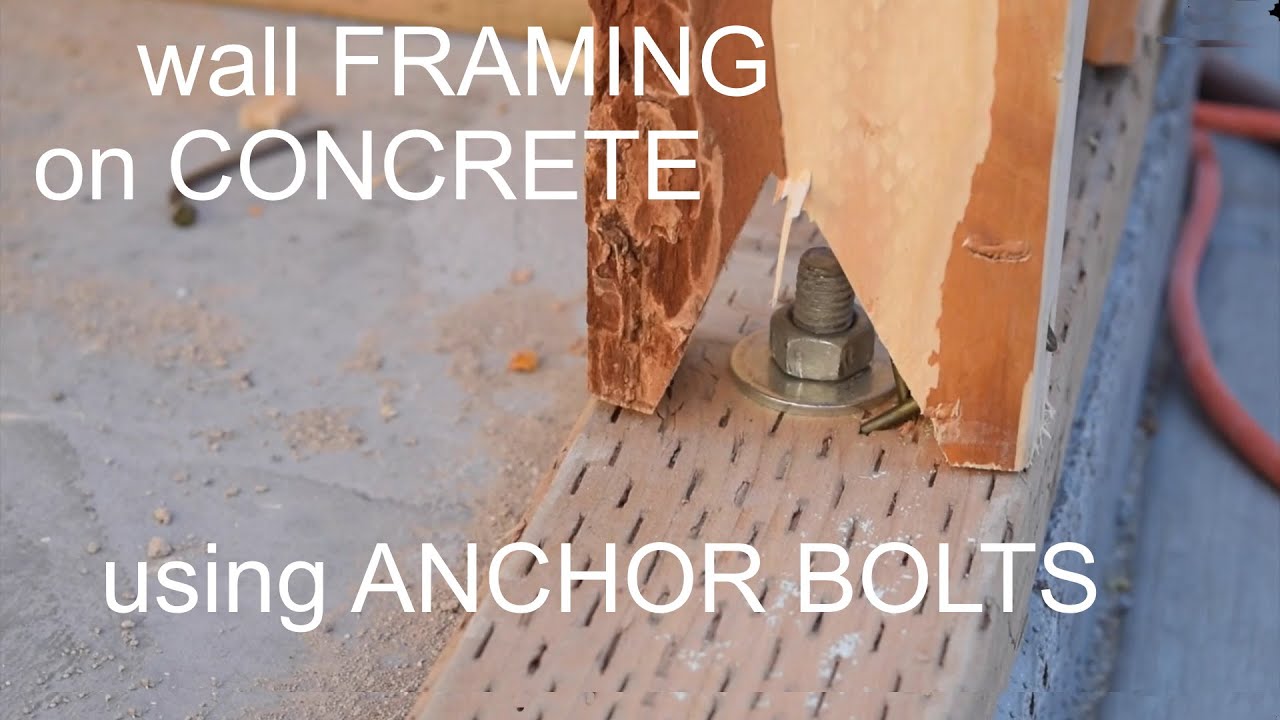
Expansion bolts are a type of mechanical anchor that expands as you tighten them. They press firmly against the concrete walls inside the drilled hole. Good for heavy loads and vibration resistance. These bolts are reliable and widely used in construction. Proper drilling is crucial for their effectiveness.
Credit: www.youtube.com
Preparing The Concrete Surface
Preparing the concrete surface is the first step to anchor a wall securely. A clean and smooth surface ensures strong bonding. It also prevents problems during installation. Skipping this step can cause weak anchors and unsafe walls.
Cleaning And Inspecting
Start by removing dirt, dust, and loose particles from the concrete. Use a wire brush or broom for this task. Check the surface for cracks or damage. Small cracks may need filling before drilling. A clean and solid surface holds anchors better.
Marking Anchor Points
Mark exact points where anchors will go. Use a pencil or chalk for clear marks. Measure carefully to keep the wall straight. Double-check the spacing and alignment of points. Correct marking prevents mistakes and saves time.
Drilling Proper Holes
Use a hammer drill with a masonry bit. Drill holes to the right depth and diameter. Avoid making holes too big or small. Clean out dust from holes with a brush or blower. Proper holes help anchors fit tightly and hold strong.
Installing Anchors Correctly
Installing anchors correctly is crucial to secure walls firmly to concrete foundations. Proper installation ensures safety, strength, and long-lasting performance. Every step matters, from choosing the right anchor to tightening it properly. Here are key methods and tips to install anchors right.
Setting Mechanical Anchors
Mechanical anchors are common for concrete walls. Drill a hole to the right depth and diameter. Clean the hole to remove dust and debris. Insert the anchor and tap it gently to fit. Tighten the bolt or nut carefully. Avoid over-tightening to prevent damage to the anchor or concrete.
Applying Chemical Adhesives
Chemical adhesives bond anchors inside drilled holes. Start by drilling and cleaning the hole thoroughly. Mix the adhesive as instructed by the manufacturer. Inject the adhesive into the hole, filling it fully. Insert the anchor slowly, twisting slightly to spread the adhesive. Let the adhesive cure completely before applying any load.
Torque Specifications
Torque controls how tight an anchor should be. Use a torque wrench for accurate tightening. Follow the anchor manufacturer’s torque guidelines closely. Too little torque weakens the hold. Too much torque can break the anchor or damage concrete. Correct torque ensures the anchor stays secure under pressure.

Credit: www.youtube.com
Ensuring Load Capacity
Ensuring load capacity is vital when anchoring a wall to a concrete foundation. This step helps the structure hold weight and resist pressure safely. Proper load capacity prevents cracks and failures that can cause damage or danger. Understanding load capacity guides the choice of anchors and their placement. It ensures the wall stays strong over time.
Calculating Weight And Pressure
Start by measuring the wall’s total weight. Include materials like wood, bricks, or drywall. Add any extra loads, such as shelves or heavy equipment. Calculate the pressure exerted on each anchor point. Pressure equals force divided by the anchor’s surface area. Use this value to select anchors rated for the required load. Always add a safety margin to account for unexpected stress.
Anchor Spacing Guidelines
Follow recommended distances between anchors to spread the load evenly. Too far apart risks weak spots and wall movement. Too close wastes materials and adds cost. Common spacing ranges from 16 to 24 inches, depending on wall type and load. Check manufacturer guidelines for specific anchor types. Proper spacing helps maintain wall stability and foundation strength.
Common Mistakes To Avoid
Anchoring a wall to a concrete foundation needs care and precision. Many mistakes can weaken the structure or cause delays. Avoiding common errors ensures a strong, lasting bond. This section highlights three key mistakes to watch out for during the process.
Incorrect Hole Depth
Drilling holes too shallow or too deep can cause problems. Shallow holes do not hold anchors firmly. Deep holes might reduce the anchor’s grip strength. Measure the required depth before drilling. Use a drill stop or tape to control depth. This simple step improves anchor performance and safety.
Using Wrong Anchor Types
Not all anchors fit every job. Some anchors suit light loads; others handle heavy weight. Using the wrong anchor weakens the hold. Match the anchor type to the wall and load. Check the manufacturer’s recommendations for best results. Right anchors ensure the wall stays stable for years.
Ignoring Concrete Condition
Old or damaged concrete cannot support anchors well. Cracks, spalling, or loose areas reduce strength. Inspect the concrete before starting. Repair damaged spots or choose stronger anchors. Good concrete condition is key to a secure wall attachment.
Maintaining Anchored Walls
Maintaining anchored walls is important to keep them strong and safe. Walls attached to concrete foundations need regular care. This care helps avoid big problems and costly repairs. Simple steps can keep anchors tight and prevent damage. Follow these tips to protect your anchored walls.
Regular Inspections
Check your anchored walls often. Look for cracks or movement in the wall. Inspect the area around the anchors for signs of wear. Catching small issues early stops big damage. Use a flashlight to see hidden spots. Note any changes and act fast.
Addressing Loosened Anchors
Anchors can loosen over time. Tighten any loose bolts or screws carefully. Replace damaged anchors right away. Loose anchors reduce wall stability and can cause collapse. Use the right tools for repairs. Keep a record of all fixes for future checks.
Preventing Corrosion
Corrosion weakens metal anchors. Apply rust-resistant paint or coatings to protect them. Keep water away from anchor points. Clean anchors regularly to remove dirt and moisture. Use stainless steel or galvanized anchors for better durability. Preventing corrosion extends the life of your anchored walls.

Credit: www.ayersbasementsystems.com
Frequently Asked Questions
What Materials Are Needed To Anchor A Wall To Concrete?
You need anchor bolts, a drill, a hammer, washers, nuts, and a level. These materials ensure a secure connection between the wall and foundation.
How Do You Drill Holes In Concrete For Wall Anchors?
Use a hammer drill with a masonry bit. Drill to the anchor bolt length. Clean dust from holes before inserting anchors.
What Types Of Anchors Work Best For Concrete Foundations?
Wedge anchors, sleeve anchors, and epoxy anchors are best. Choose based on load requirements and concrete condition for strong attachment.
How Deep Should Anchor Bolts Be Set In Concrete?
Anchor bolts should be embedded at least 7 inches deep. Proper depth ensures stability and prevents wall movement or failure.
Conclusion
Anchoring a wall to a concrete foundation ensures strong support and safety. Use the right tools and follow steps carefully. Check measurements twice to avoid mistakes. Tighten anchors securely for lasting stability. Regularly inspect the connection to keep it safe.
Strong walls protect your building and everyone inside. Simple actions make a big difference in construction success. Keep your work neat and steady for best results. Solid anchoring prevents damage from wind or pressure. Stay focused, and your foundation will hold firm.