Are you ready to give your room a fresh, stylish look? Installing curtain hooks on your wall is a simple way to transform your space instantly.
But if you’re unsure where to start or worried about making mistakes, you’re in the right place. You’ll discover easy, step-by-step instructions that anyone can follow. By the end, you’ll have perfectly hung curtains that brighten your home and show off your personal style.
Keep reading, and let’s make your walls look amazing together!
Tools And Materials Needed
Installing curtain hooks on the wall requires specific tools and materials. These help make the process smooth and safe. Having the right items ready saves time and effort. Below are key points to consider before starting your installation.
Selecting The Right Curtain Hooks
Choose hooks that fit your curtain style and weight. Plastic hooks work for light curtains. Metal hooks are better for heavy curtains. Check the hook size to match your curtain rod. Pick hooks with a finish that suits your room decor.
Essential Tools For Installation
Gather basic tools before you begin. A drill helps make holes in the wall. Use screws and wall plugs to secure hooks. A measuring tape ensures accurate hook placement. A pencil marks the spots for drilling. A level keeps hooks straight. Safety goggles protect your eyes during drilling.
Preparing The Wall Surface
Clean the wall to remove dust and dirt. Smooth the surface if it has bumps. Use a damp cloth for cleaning. Let the wall dry completely. Check for any cracks or damage. Repair damaged areas before installing hooks. This ensures hooks hold firmly and last longer.
Measuring And Marking
Measuring and marking are key steps before installing curtain hooks on the wall. These steps ensure your curtains hang properly and look neat. Careful measurements help avoid mistakes that could lead to crooked curtains or extra holes in your wall.
Start by deciding the right height and spacing for your curtain hooks. Then mark the points carefully for drilling. Accurate marks make installation easier and result in a clean, professional finish.
Determining Curtain Height
Measure the distance from the top of your window frame to where you want the curtain to end. Many choose to hang curtains just above the window frame to make windows look taller. Another option is to hang curtains so they just touch the floor for a classic look.
Use a tape measure and mark this height on the wall. Repeat on both sides of the window to keep the curtain height even.
Spacing Hooks Evenly
Measure the width of your curtain rod or track. Divide this length by the number of hooks you have. This gives the space between each hook.
Mark these spacing points lightly with a pencil. Even spacing keeps the curtain neat and prevents bunching or sagging.
Marking Drill Points Accurately
Double-check your height and spacing marks before drilling. Use a level to make sure marks are straight across the wall. This stops hooks from going in crooked.
Mark drill points clearly with a pencil. Use a small nail or awl to create a starter hole if needed. This helps the drill bit stay in place and makes holes cleaner.
Drilling And Anchoring
Drilling and anchoring are key steps to hang curtain hooks safely. This process helps hold the weight of curtains firmly on the wall. Proper drilling avoids damage to walls and ensures hooks stay in place.
Using the right tools and techniques makes the job easier and stronger. Follow these simple steps to drill and anchor curtain hooks correctly.
Choosing The Correct Drill Bit
Select a drill bit size that matches your wall anchors. The bit should create a hole slightly smaller than the anchor. Use a masonry bit for brick or concrete walls. For drywall, a standard twist bit works well. Avoid using a drill bit that is too large or too small.
Installing Wall Anchors
Wall anchors provide extra support for curtain hooks. Push the anchor gently into the drilled hole. Tap lightly with a hammer if needed. The anchor should fit snugly without moving. This helps the hook hold weight without pulling out.
Ensuring Secure Fixing
Insert the screw or hook into the anchor carefully. Tighten until it feels firm but do not over-tighten. Check the hook by giving it a gentle pull. It should not wiggle or feel loose. Secure fixing keeps your curtains hanging straight and safe.
Credit: www.theshadestore.com
Attaching Curtain Hooks
Attaching curtain hooks correctly is key to hanging curtains securely. This step ensures your curtains stay in place and look neat. Follow simple steps to fix hooks on the wall. Use the right tools and materials for a strong hold.
Fixing Hooks To Anchors
Start by placing wall anchors where the hooks will go. Push or screw anchors into the wall holes. Anchors hold screws firmly in drywall or plaster. Next, align the curtain hooks with the anchors. Screw the hooks tightly into the anchors. Avoid loose screws to keep hooks stable.
Checking Hook Alignment
Check if all hooks line up evenly. Use a level or measure with a tape. Straight hooks make curtains hang better and look nice. Adjust any hooks that are too high or low. Proper alignment prevents curtains from hanging crookedly.
Testing Hook Stability
Gently pull each hook to test its strength. Hooks must not wiggle or come loose. Tighten screws more if any hook feels weak. Stable hooks support curtain weight safely. This step prevents future curtain falls or damage.
Hanging Curtains
Hanging curtains is the final step after installing curtain hooks on your wall. It helps your room look tidy and stylish. This process is simple and quick. Just follow these easy steps for perfect curtains.
Focus on attaching, adjusting, and finishing touches. These steps make sure your curtains hang straight and look great.
Attaching Curtains To Hooks
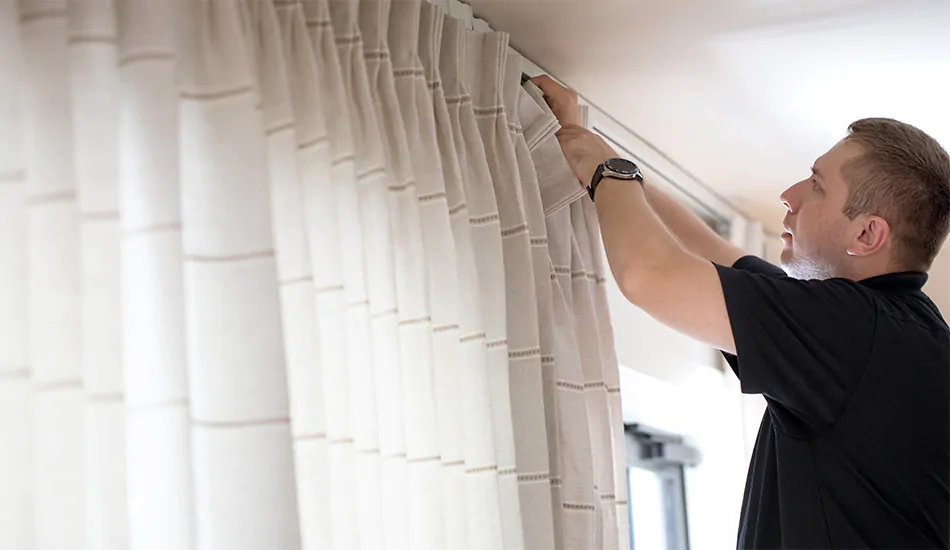
Start by holding the curtain near the top edge. Find the curtain hooks on the wall. Gently clip or hang the curtain fabric onto each hook. Make sure the curtain is evenly attached. This keeps the curtain from sagging or falling.
Work from one side to the other. Check if all hooks hold the curtain firmly. Adjust any loose hooks before moving on.
Adjusting Curtain Position
Once the curtain hangs, check its position. The curtain should cover the window evenly. Pull or push the fabric slightly to fix wrinkles. Smooth out any folds for a neat look.
Make sure the curtain hangs straight. Use a level or step back to see the overall view. Small changes can make a big difference.
Final Touches For A Neat Look
Check the curtain length. Adjust if it touches the floor or is too high. Straighten the curtain edges so they align with the window frame. Make sure hooks are hidden behind the fabric.
Run your hand along the curtain to smooth it. This helps remove small creases. Your curtains now add style and privacy to your room.

Credit: www.wikihow.com
Tips For Long-lasting Installation
Installing curtain hooks on the wall is just the first step. Making sure they last long is key. Proper care and correct steps help avoid damage. This saves time and money later. Follow simple tips to keep your hooks and curtains in great shape.
Maintaining Hooks And Curtains
Check hooks regularly for any signs of rust or bending. Clean hooks gently with a dry cloth to remove dust. Avoid harsh cleaners that can weaken the metal. For curtains, wash or dry clean as recommended. Keep curtains away from direct sunlight to prevent fading.
Avoiding Common Mistakes
Do not overload the hooks with heavy curtains. Use the right type of hook for your curtain style. Always measure twice before drilling holes in the wall. Avoid using weak wall anchors in drywall or plaster. Secure hooks firmly to prevent them from loosening over time.
When To Seek Professional Help
Call a professional if walls are fragile or uneven. Get expert advice for heavy or large curtains. Professionals ensure hooks are installed safely and correctly. Avoid damage to walls or curtains with expert help. This saves trouble and keeps your home safe.

Credit: www.ubuy.com.ph
Frequently Asked Questions
How Do I Choose The Right Curtain Hooks?
Select hooks based on your curtain type and weight. Check compatibility with your curtain rod and fabric thickness. Choose durable materials like metal for heavy curtains. Ensure hooks match your room’s decor style for a cohesive look.
What Tools Are Needed To Install Curtain Hooks?
You need a drill, screws, wall anchors, a measuring tape, and a pencil. A level helps ensure hooks are straight. Use appropriate drill bits for your wall type to avoid damage.
Can Curtain Hooks Damage My Walls?
Proper installation minimizes wall damage. Use wall anchors for heavy curtains to prevent holes from enlarging. Remove hooks carefully by unscrewing. Patch holes with filler if needed before repainting.
How High Should Curtain Hooks Be Placed On The Wall?
Install hooks about 4-6 inches above the window frame. Height depends on curtain length and style. Measure carefully to ensure curtains hang evenly and cover the window fully.
Conclusion
Installing curtain hooks on the wall is simple and quick. Choose the right tools and measure carefully. Mark the spots clearly before drilling or nailing. Attach hooks firmly to hold your curtains well. This small step changes your room’s look instantly.
Enjoy the neat, tidy appearance of your curtains. With practice, this task becomes even easier. Keep these tips in mind for future projects too. Your space feels fresh and inviting with properly hung curtains. A small effort brings big results.