Want to hang something heavy on your wall but don’t know how to do it securely? Learning how to put a monkey hook in the wall can save you time, effort, and frustration.
With the right technique, you can hang pictures, mirrors, or shelves without drilling or causing damage. In this guide, you’ll discover simple steps to install a monkey hook quickly and safely. Keep reading, and you’ll soon have the confidence to hang your items perfectly every time.

Credit: www.amazon.com
Choosing The Right Monkey Hook
Choosing the right monkey hook is important for a safe and sturdy hold. It makes hanging items easier and prevents damage to your walls. Knowing the types, weight limits, and materials helps pick the best hook for your needs.
Types Of Monkey Hooks
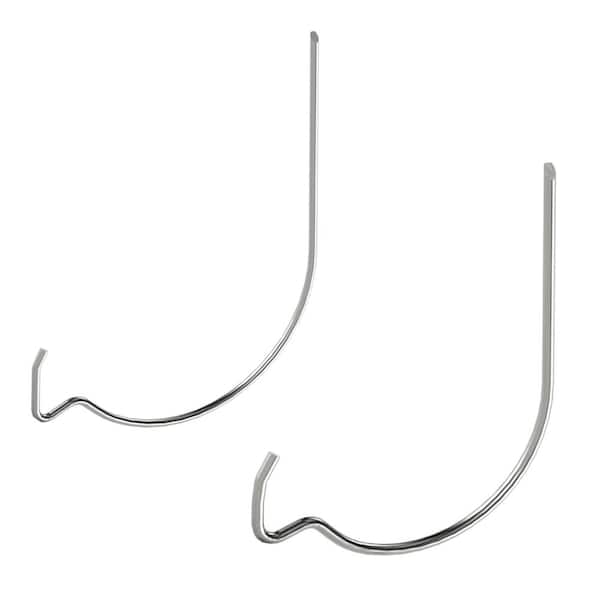
There are several types of monkey hooks. Some have a simple curved shape for light items. Others have extra loops or larger hooks for heavier objects. Choose the type that fits the item you want to hang and the wall type.
Weight Capacity Considerations
Each monkey hook supports a specific weight. Check the label or package for weight limits. Use stronger hooks for heavy frames or mirrors. Using a hook with too low capacity can cause it to pull out of the wall.
Materials And Finishes
Monkey hooks come in different materials. Steel hooks offer strong support and resist bending. Plastic hooks suit light decorations but break easily under weight. Finishes like zinc or chrome protect hooks from rust and look neat on the wall.
Preparing The Wall
Preparing the wall is an important step before putting a monkey hook. It helps make sure the hook stays strong and safe. Take time to prepare the wall carefully. This will prevent damage and keep your items secure.
Selecting The Hook Location
Choose a spot on the wall where you want to hang your item. Pick a place that is easy to reach and looks good. Avoid areas near corners or edges. These spots may not hold the hook well. Mark the exact point with a pencil for accuracy.
Checking For Studs And Wiring
Check if there are studs behind the wall. Studs provide extra support for the hook. Use a stud finder tool to locate them. Also, be sure there are no wires or pipes in the chosen spot. This keeps you safe and avoids damage. Move the spot if you find any wires or pipes.
Cleaning The Surface
Clean the wall surface where you will place the hook. Use a dry cloth to remove dust and dirt. A clean surface helps the hook stick better. Avoid using water or wet cloths. Let the area dry if it is wet before installing the hook.
Installing The Monkey Hook
Installing a monkey hook is a simple way to hang items on drywall without drilling. The hook grips the wall securely and holds light to medium weights. Follow these steps carefully to ensure a strong hold and avoid wall damage.
Marking The Spot
Choose the exact spot on the wall where you want to hang your item. Use a pencil to make a small mark. Make sure the spot is free from studs or electrical wires. This helps prevent damage and ensures the hook fits properly.
Inserting The Hook
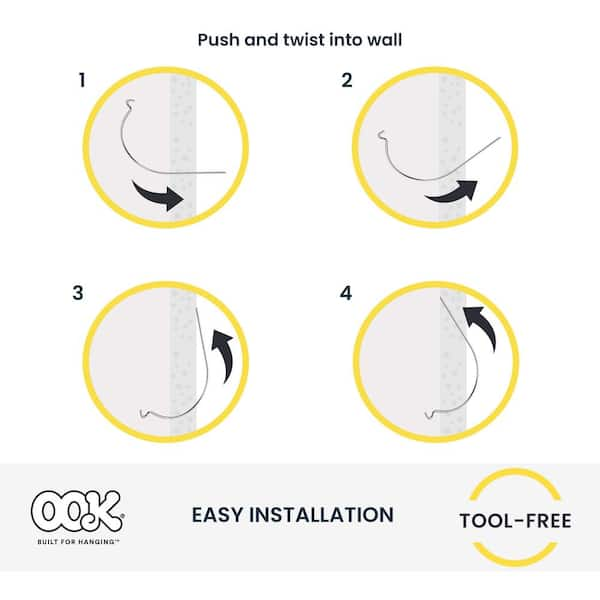
Take the monkey hook and push the pointed end into the wall at the marked spot. Apply steady pressure until the hook slides behind the drywall. The hook’s shape allows it to anchor inside the wall securely. Avoid pushing too hard to prevent wall damage.
Securing For Maximum Hold
Once the hook is inside, gently pull it back until it catches firmly on the drywall’s backside. The hook’s design spreads the weight across a larger area. This gives it a strong grip and keeps it from pulling out. Test the hook by hanging your item carefully.
Credit: www.homedepot.com
Testing The Hook Strength
Testing the strength of your monkey hook is key to ensuring it holds your items securely. A strong hook prevents accidents and damage to your wall. This step helps you feel confident about the hook’s reliability.
Applying Gradual Pressure
Start by gently pulling on the hook with your hand. Increase the force slowly to avoid sudden strain. This helps check if the hook stays firmly in place. Stop if you feel any movement or hear cracking sounds. Gradual pressure shows how much weight the hook can hold safely.
Adjusting If Necessary
If the hook shifts or loosens, remove it carefully. Check if the wall material is suitable for the hook type. Try a different spot or use a stronger hook if needed. Reinstall the hook and test again. Adjustments ensure your hook is safe and ready for use.
Tips For Long-lasting Support
Ensuring your monkey hook stays strong over time is important. Proper care and use help maintain its support. Follow these simple tips for long-lasting hold and safety.
Small steps can prevent damage to your walls and keep your items secure.
Avoiding Overloading
Check the weight limit of your monkey hook before use. Do not hang items heavier than the hook’s capacity. Heavy objects can cause the hook to bend or pull out. Spread weight evenly to reduce stress on the hook and wall.
Periodic Inspection
Look at your monkey hook regularly for signs of wear or damage. Check if it is still firmly fixed in the wall. Tighten or replace the hook if it feels loose. Early detection of problems prevents accidents and damage.
Using Multiple Hooks For Heavy Items
Use more than one monkey hook for heavy or large items. Spread the load across several hooks to avoid strain on a single point. This increases stability and reduces risk of falling. Measure and place hooks evenly for the best support.
Credit: www.homedepot.com
Frequently Asked Questions
What Tools Do I Need To Install A Monkey Hook?
You need a monkey hook, a pencil, a tape measure, and a hammer. Optionally, a stud finder helps find secure spots. These tools make installation safe and precise.
How Do I Find The Best Wall Spot For A Monkey Hook?
Use a stud finder to locate studs or choose drywall areas. Avoid electrical wires or plumbing. Secure spots hold heavier items safely.
Can Monkey Hooks Hold Heavy Pictures Or Mirrors?
Yes, monkey hooks support up to 50 pounds on drywall. They distribute weight evenly, making them ideal for heavy frames without wall damage.
Is It Necessary To Use Anchors With Monkey Hooks?
No, monkey hooks are designed to hold firmly without anchors. Their unique shape grips drywall securely, making them convenient for hanging various items.
Conclusion
Putting a monkey hook in the wall is simple with the right steps. Choose the right spot and gently twist the hook in. Make sure it feels secure before hanging anything. This tool helps hang items without big holes or nails.
With some care, your walls stay neat and strong. Try it yourself and see how easy it can be. Small tasks like this save time and keep your space tidy. A little effort goes a long way.