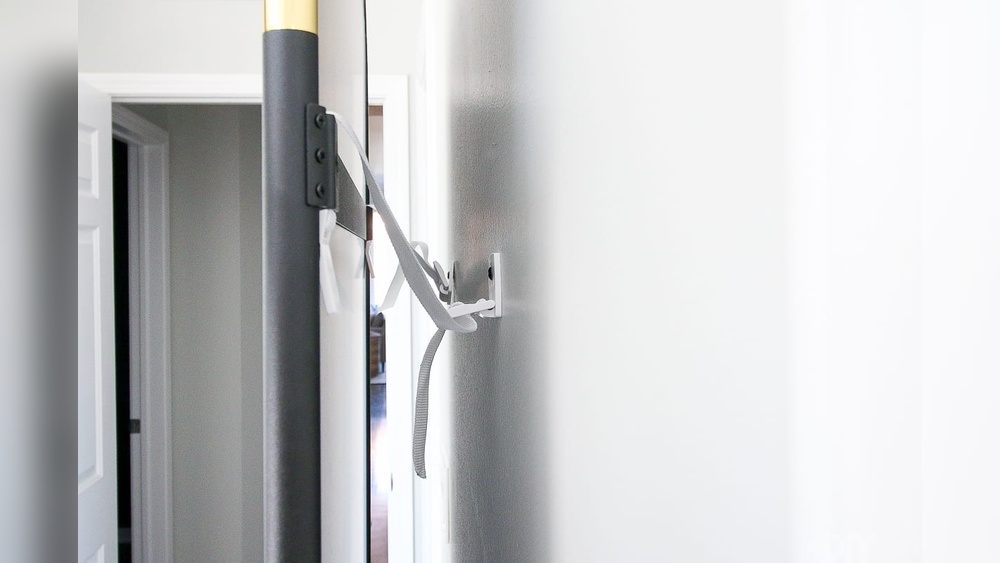
Hanging a wall mirror might seem simple, but if it’s not anchored properly, it can fall and cause damage or injury. You want your mirror to stay secure, look great, and add style to your space without any worry.
In this guide, you’ll learn easy, step-by-step tips to anchor your wall mirror safely and confidently. By the end, you’ll have the knowledge to hang your mirror like a pro—making your room brighter and more inviting. Ready to get started?
Let’s dive in.
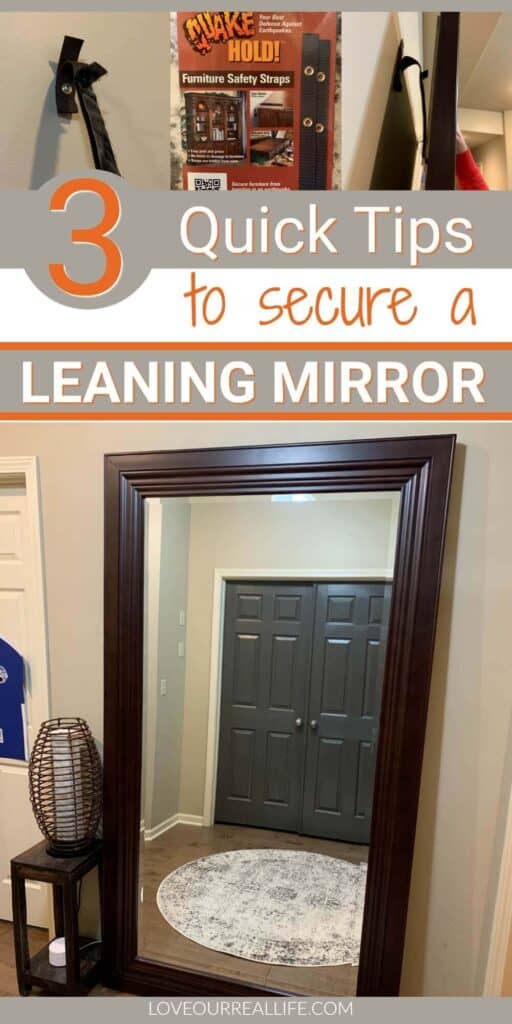
Credit: www.loveourreallife.com
Choosing The Right Mirror
Choosing the right mirror is important before you anchor it to a wall. The perfect mirror fits your space and style. It stays safe on the wall without falling. This section helps you pick the best mirror by focusing on size, weight, frame types, and materials.
Size And Weight Considerations
Start by measuring the wall space. The mirror should fit the area without crowding it. Small mirrors look lost on big walls. Large mirrors can overwhelm small rooms.
Check the mirror’s weight before buying. Heavy mirrors need strong anchors and studs. Light mirrors are easier to hang. Knowing the weight helps you choose the right mounting hardware.
Frame Types And Materials
Frames come in many styles and materials. Wood frames add warmth and classic looks. Metal frames bring a modern or industrial feel. Plastic frames are lightweight and budget-friendly.
Consider the material’s durability. Some frames resist moisture better, ideal for bathrooms. Others may chip or fade over time. Choose a frame that fits your room’s use and style.

Credit: www.mirrorspace.com.au
Selecting Wall Anchors
Selecting the right wall anchors is key to hanging a mirror safely. Anchors hold the mirror’s weight and keep it steady on the wall. Using the wrong anchor can cause the mirror to fall and break. Understanding different anchors and matching them to your wall type makes the process easier and safer.
Types Of Wall Anchors
Plastic expansion anchors are common for light loads. They expand inside the wall to hold screws tightly. Metal anchors offer stronger support for heavier items. Toggle bolts spread weight across a larger area behind the wall. Molly bolts create a solid grip by expanding inside the wall cavity.
Matching Anchors To Wall Material
Drywall needs anchors that spread weight wide, like toggle bolts. Plaster walls are harder and may need metal anchors or molly bolts. Concrete or brick require heavy-duty anchors like sleeve or wedge anchors. Always choose anchors designed for your wall to ensure the mirror stays secure.
Tools And Materials Needed
Before anchoring a wall mirror, gather all tools and materials. This step ensures smooth work and strong results. Having everything ready saves time and avoids frustration. This section lists the must-have tools and safety gear. Prepare well for a safe and successful mirror hanging.
Essential Tools
Start with a tape measure to mark the mirror’s position. A pencil helps to mark spots on the wall. Use a level to keep the mirror straight. A drill is necessary for making holes. Choose the right drill bit based on your wall type. Screwdrivers secure anchors and screws firmly. Wall anchors support the mirror’s weight. Stud finders locate wall studs for extra support. A hammer may be needed to tap anchors in place. These tools work together to hold your mirror safely.
Safety Equipment
Wear safety goggles to protect your eyes from dust and debris. Use gloves to avoid cuts from glass or sharp tools. Dust masks keep you safe from inhaling particles. Secure your work area to prevent accidents. Make sure the ladder or step stool is stable if needed. Safety equipment keeps you safe during the installation process. Take care to protect yourself while working on the wall.
Preparing The Wall
Preparing the wall is a key step before hanging a wall mirror. This step ensures the mirror stays safe and secure. A well-prepared wall prevents accidents and damage. It also makes the hanging process easier and faster.
Locating Studs
Studs are the wooden beams behind the wall. They provide strong support for heavy items like mirrors. Use a stud finder tool to find these beams. Move the finder slowly across the wall. Mark the edges of each stud to find the center. Anchoring into studs gives the best hold.
Marking Anchor Points
After finding the studs, decide where to place the mirror. Hold the mirror against the wall at the right height. Use a pencil to mark where the mirror’s hooks or brackets will go. Make sure the marks line up with the studs. Accurate marks help drill holes in the right spots.
Installing The Anchors
Installing anchors correctly is important to keep your wall mirror safe and steady. Anchors hold the screws tightly in the wall. They stop the mirror from falling or moving. This step needs care and the right tools. Follow the steps below to install the anchors properly.
Drilling Pilot Holes
Start by marking the spots where you will place the anchors. Use a pencil for clear marks. Choose a drill bit slightly smaller than the anchor size. This helps the anchor fit tightly.
Hold the drill straight to make clean holes. Drill slowly to avoid cracking the wall. Drill to the depth of the anchor length. Remove dust from the holes with a brush or air blower.
Inserting Anchors Securely
Push the anchor into the pilot hole gently. Use your fingers first, then tap lightly with a hammer if needed. The anchor should sit flush with the wall surface.
Check that the anchor does not spin or wiggle. A secure anchor holds the screw firmly. Repeat for all marked spots before hanging the mirror.

Credit: thediyplaybook.com
Hanging The Mirror
Hanging the mirror correctly is key to keeping it safe and looking great. Proper steps make sure the mirror stays steady and flat on the wall. Follow simple guidelines to hang your mirror right the first time.
Attaching Mounting Hardware
Start by choosing the right mounting hardware for your mirror. Use D-rings, wire, or brackets based on the mirror’s design. Attach the hardware firmly to the back of the mirror. Check that screws or hooks are tight and secure. This step prepares the mirror for safe wall hanging.
Leveling And Securing
Hold the mirror against the wall at the desired height. Use a level to check that it is straight. Mark the wall where the hardware will hang. Install wall anchors or screws in the marked spots. Hang the mirror carefully and check the level again. Adjust as needed to keep the mirror balanced and secure.
Safety Tips
Anchoring a wall mirror safely is very important. Mirrors can be heavy and fragile. A wrong step can cause accidents or damage. Follow these safety tips to keep your mirror secure and your space safe.
Checking Stability
Check the wall type before hanging your mirror. Drywall needs special anchors for heavy items. Use a stud finder to locate studs. Anchoring into a stud gives the best support. Test the mirror’s hanging hooks for strength. Make sure screws and hooks fit tightly. Hang the mirror gently and watch for movement. If it shifts, remove and check the anchors again.
Avoiding Common Mistakes
Do not use only tape or glue to hang mirrors. These methods cannot hold heavy weight. Avoid using wrong anchors for your wall type. Using plastic anchors on drywall might fail. Never hang a mirror by one hook only. Use two hooks spaced properly for balance. Avoid hanging the mirror too high or unstable. Keep children away during installation to prevent accidents.
Frequently Asked Questions
How Do I Choose The Right Anchor For A Wall Mirror?
Select anchors based on wall type and mirror weight. Use plastic anchors for drywall, toggle bolts for hollow walls, and masonry anchors for brick or concrete. Always check the anchor’s weight rating to ensure it can support your mirror securely.
What Tools Are Needed To Anchor A Wall Mirror Safely?
You’ll need a drill, level, measuring tape, screwdriver, and appropriate anchors. A stud finder helps locate wall studs for extra support. Safety goggles and a pencil for marking spots complete the essential tools list.
Can I Hang A Heavy Mirror On Drywall Alone?
Drywall alone usually can’t support heavy mirrors. Use wall anchors or locate studs to secure the mirror. For very heavy mirrors, toggle bolts or mounting directly into studs ensure safety and prevent damage.
How High Should I Hang A Wall Mirror?
Hang mirrors at eye level, typically 57-60 inches from the floor. This height suits most viewers and enhances room aesthetics. Adjust based on furniture placement and room purpose for best results.
Conclusion
Anchoring a wall mirror is easier than it seems. Choose the right anchors for your wall type. Measure carefully to keep the mirror level and secure. Use the proper tools to avoid damage. Take your time and follow each step closely.
This helps keep the mirror safe and steady. Enjoy the new look your mirror brings to the room. Simple steps make your space more stylish and bright. Trust yourself—you can do this with confidence.
