Are you worried about cracks or bowing in your foundation walls? Installing foundation wall anchors might be the solution you need to keep your home safe and stable.
But how do you do it right? In this guide, you’ll learn step-by-step how to install foundation wall anchors quickly and effectively, even if you’re not an expert. By the end, you’ll have the confidence to strengthen your foundation and protect your biggest investment—your home.
Keep reading to discover simple tips that make a big difference!

Credit: www.youtube.com
Choosing The Right Anchors
Choosing the right foundation wall anchors is key for a strong repair. The correct anchors keep walls stable and prevent further damage. Selecting anchors that fit your wall type and condition ensures safety and durability.
Consider the wall material, size of cracks, and load requirements before picking anchors. Using unsuitable anchors can cause weak support or more problems later. Knowing the types, materials, and tools helps make the best choice.
Types Of Foundation Wall Anchors
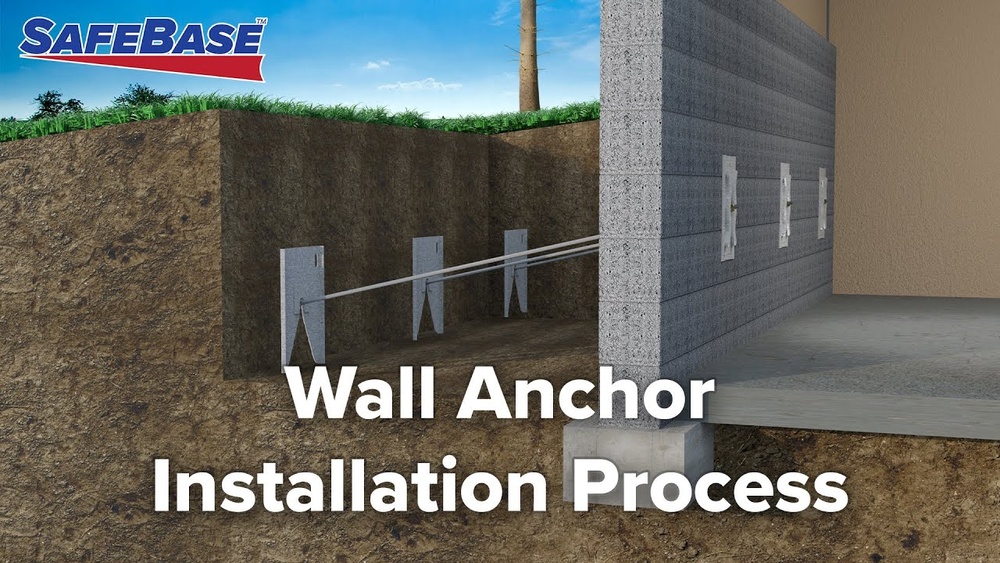
There are several types of foundation wall anchors. Tieback anchors use cables to pull the wall back. Helical anchors screw into the soil for strong hold. Wall plate anchors press against the wall surface. Each type fits different wall problems and soil conditions.
Materials And Sizes
Anchors come in steel, galvanized steel, and stainless steel. Steel anchors are strong but may rust over time. Galvanized steel resists rust better. Stainless steel is best for wet areas. Sizes vary by wall thickness and crack width. Choose anchors that match your wall size for proper fit.
Tools Needed
Installing anchors requires some basic tools. A drill with masonry bits makes holes in concrete or brick. A wrench or socket set tightens bolts. A tape measure helps with accurate placement. Safety gear like gloves and goggles protects you during work.

Credit: www.frontierbasementsystems.com
Preparing The Wall
Preparing the wall is the first step for installing foundation wall anchors. A clean and well-prepared surface ensures the anchors hold firmly. This step prevents future problems like loose anchors or wall damage. Take time to check the wall condition and plan the anchor layout carefully.
Cleaning And Inspecting The Surface
Start by removing dirt, dust, and loose paint from the wall. Use a wire brush or broom to clean the surface well. Check for cracks, holes, or damaged areas. Small cracks can weaken the anchor hold. Repair any damage with suitable filler or mortar. Let repairs dry completely before continuing.
Marking Anchor Positions
Measure the wall length and mark where each anchor will go. Keep marks evenly spaced for balanced support. Use a pencil or chalk for clear, visible marks. Double-check measurements to avoid mistakes. Accurate marking helps you drill in the right places. This step saves time and ensures strong anchor installation.
Drilling Anchor Holes
Drilling anchor holes is a key step in installing foundation wall anchors. It requires care and precision to ensure strong support. Proper hole drilling helps anchors hold firmly in place. This part of the process sets the stage for a secure foundation.
Selecting Drill Bits
Choose the right drill bit for your wall type. Masonry bits work best for concrete and brick walls. Pick a bit size that matches the anchor diameter. Using the correct bit prevents damage and ensures a tight fit. Check the bit condition before starting. A sharp bit makes cleaner holes.
Drilling Techniques
Mark the hole spots clearly on the wall. Hold the drill steady and straight. Start drilling slowly to avoid slipping. Apply steady pressure without forcing the drill. Drill to the depth recommended by the anchor instructions. Remove dust from the hole to improve anchor grip. Repeat for each anchor location.
Safety Tips
Wear safety glasses to protect your eyes from dust and debris. Use ear protection if drilling for a long time. Wear a dust mask to avoid inhaling particles. Keep your hands away from the drill bit. Secure loose clothing and tie back long hair. Make sure the drill’s power cord is clear of the drill path.
Installing The Anchors
Installing the foundation wall anchors is a key step in strengthening your walls. It keeps the structure steady and prevents future damage. Follow these simple instructions to place and secure the anchors properly. Each step ensures the best hold and long-lasting support.
Placing The Anchor
Start by marking the spot on the foundation wall. Use a measuring tape to keep the anchors evenly spaced. Hold the anchor against the wall and check its position. Make sure it fits snugly against the surface. The anchor must touch the wall firmly for good support.
Securing With Fasteners
Next, insert the fasteners through the anchor holes. Use a drill or hammer to fix them tightly into the wall. Make sure the fasteners are the right size for the anchor. Tighten each fastener until the anchor feels stable. Avoid over-tightening, which could damage the wall.
Tightening For Stability
Finally, use a wrench to tighten the anchor bolt. Turn it slowly and check the anchor’s movement. The goal is to pull the wall toward the anchor. Stop tightening when the wall feels firm and secure. Proper tightening stops any wall shifting or cracking.
Testing And Maintenance
Testing and maintenance are key to keeping foundation wall anchors strong. These steps help find problems early. They ensure the anchors hold the wall firmly. Regular care can stop costly repairs later. Follow these simple tips to check and maintain your anchors.
Checking Anchor Strength
Check the anchor strength by looking for movement. Gently push or pull the wall near the anchor. If it moves, the anchor may be loose. Use a wrench to tighten any bolts. Tighten only enough to hold the wall steady. Avoid over-tightening, which can cause damage.
Routine Inspections
Inspect your anchors at least twice a year. Look for rust, cracks, or bent rods. Check the wall for new cracks or bulges. Use a flashlight to see hard spots. Take notes on any changes. Keep a record to track anchor health over time.
Repairing Or Replacing Anchors
Repair small issues quickly to avoid bigger problems. Tighten loose bolts and clean rust with a wire brush. Replace anchors that are severely damaged or corroded. Hire a professional for major repairs or replacements. Proper repair keeps your foundation safe and secure.

Credit: www.carolinabasementsystems.com
Frequently Asked Questions
What Are Foundation Wall Anchors Used For?
Foundation wall anchors stabilize and reinforce basement walls. They prevent bowing, cracking, and structural damage caused by soil pressure. Anchors transfer lateral wall pressure to the ground outside, maintaining wall integrity and safety.
How Do You Install Foundation Wall Anchors Correctly?
To install, drill holes through the wall and into the soil outside. Insert anchors and tighten them securely using a wrench. Proper alignment and tension are essential for effective wall stabilization.
Can I Install Foundation Wall Anchors Myself?
Yes, with basic tools and careful measurement, DIY installation is possible. However, professional help ensures correct placement and tensioning, reducing risks of damage or failure.
How Long Do Foundation Wall Anchors Last?
Foundation wall anchors typically last 20 to 30 years. Longevity depends on soil conditions, anchor quality, and proper installation. Regular inspections help maintain effectiveness.
Conclusion
Installing foundation wall anchors can strengthen your home’s structure. Follow each step carefully for best results. Use the right tools to ensure proper placement. Check the anchors regularly to maintain stability. A strong foundation helps protect your home from damage.
Small efforts now save big repairs later. Trust the process and work with patience. Your home’s safety depends on a solid base. Keep your walls secure and avoid future issues. Simple steps lead to lasting support and peace of mind.