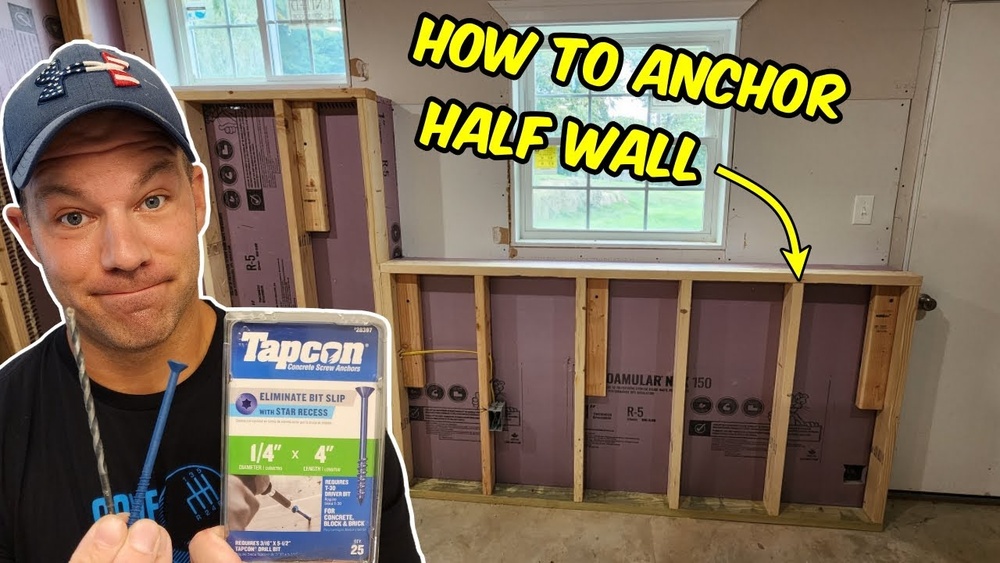
Are you tired of struggling with wall anchors that bend and ruin your project? You’re not alone.
Bending wall anchors can cause frustration, wasted time, and even damage to your walls. But what if you could avoid this common mistake and get the job done right the first time? You’ll discover simple, effective tips that will help you keep your wall anchors straight and secure.
Keep reading to learn how to protect your walls and make your DIY projects smoother and more successful.
Choosing The Right Wall Anchors
Choosing the right wall anchors helps prevent bending and damage. Picking anchors that fit your wall type and load needs is key. This choice makes your installation strong and safe. Understanding different anchors guides you to the best fit for your project.
Types Of Wall Anchors
Plastic expansion anchors work well for light loads in drywall. Metal anchors offer more strength for medium loads. Toggle bolts spread weight across a larger area, good for heavy items. Choose anchors based on wall type and item weight. Each type serves a specific purpose.
Anchor Size And Weight Capacity
Use anchors sized for the weight of the item. Small anchors support light frames or shelves. Larger anchors hold heavy mirrors or cabinets. Overloading anchors causes bending and wall damage. Check weight limits on the package before buying anchors.
Material Compatibility
Match anchors to your wall material like drywall, plaster, or concrete. Some anchors work only in drywall. Others fit brick or concrete walls better. Using wrong anchors can bend them and weaken hold. Know your wall material before selecting anchors.
Preparing The Wall Surface
Preparing the wall surface is the first step to avoid bending wall anchors into the wall. This step helps ensure a smooth and secure installation. Taking time to prepare the wall reduces damage and makes the anchor hold better.
Locating Studs And Avoiding Obstacles
Start by finding studs behind the wall. Studs offer the strongest support for anchors. Use a stud finder tool to locate them easily. Avoid drilling into pipes or electrical wires. These obstacles can cause serious damage. Mark stud locations clearly to guide your drilling.
Cleaning The Wall Area
Clean the wall surface before drilling. Dust and dirt can weaken the anchor hold. Wipe the area with a damp cloth and let it dry. This simple step improves the anchor’s grip. A clean wall also helps you see drill marks better.
Marking Drill Points Accurately
Mark drill points carefully using a pencil. Measure twice to avoid mistakes. Accurate marks prevent wrong drilling that bends anchors. Use a level to keep marks straight. Clear marks guide the drill and protect the wall.
Drilling Properly
Drilling properly is key to avoiding bent wall anchors. It helps create clean holes that fit anchors well. Proper drilling makes the anchor stay straight and secure. This section explains how to drill right for best results.
Selecting The Correct Drill Bit
Choose a drill bit that matches the wall anchor size. Too big or too small bits cause problems. A tight fit keeps the anchor from bending. Use a masonry bit for brick or concrete walls. For drywall, a standard bit works fine.
Drill Speed And Pressure Tips
Keep drill speed moderate. High speed can cause the bit to slip or heat up. Use steady, even pressure. Pressing too hard bends the anchor or cracks the wall. Let the drill do the work, don’t force it.
Keeping The Drill Straight
Hold the drill perpendicular to the wall. Angled drilling makes the hole uneven. It also bends the anchor when inserted. Use a level or guide if needed. A straight hole ensures the anchor fits and holds well.

Credit: www.frontierbasementsystems.com
Inserting Anchors Safely
Inserting anchors safely into a wall helps keep them strong and steady. It stops them from bending or breaking. Careful steps make your wall hold weight better and last longer. Use the right method for a secure fit and less damage.
Aligning Anchors Correctly
Place anchors straight into the wall hole. Do not push them at an angle. A perfect line helps anchors sit tightly. This prevents bending and keeps walls safe. Check the anchor’s shape before inserting it.
Avoiding Over-tightening
Turn screws slowly and stop when tight. Too much force bends the anchor inside the wall. Tighten only until the anchor feels firm. This keeps the wall strong and avoids cracks. Use gentle pressure for the best hold.
Using The Right Tools
Use a drill or screwdriver made for anchors. A wrong tool can bend or break the anchor. Choose a drill bit that matches the anchor size. This makes the hole fit perfectly. Use tools with steady speed and control.
Troubleshooting Common Issues
Troubleshooting common issues with wall anchors helps keep your walls safe and secure. Anchors can bend or loosen, causing problems. Fixing these issues quickly saves time and effort. Follow simple steps to handle bent or loose anchors and avoid wall damage.
Dealing With Bent Anchors
Bent anchors happen if you push too hard or use the wrong tool. Remove the bent anchor carefully using pliers. Avoid twisting or pulling too fast to stop wall damage. Replace it with a new anchor of the right size. Drill a straight hole before inserting the new anchor. This keeps the anchor from bending again.
Fixing Loose Anchors
Loose anchors do not hold well and can fall out. Tighten screws slowly to avoid stripping the anchor. If the anchor is too loose, remove it and fill the hole. Use wall filler or putty and let it dry. Drill a new hole nearby and insert a larger anchor. This will hold the screw firmly in place.
Preventing Wall Damage
Wall damage occurs when anchors bend or pull out. Drill the hole carefully with a drill bit that fits the anchor size. Do not force the anchor into a small hole. Use anchors made for your wall type, like drywall or concrete. Avoid over-tightening screws to protect the wall and anchor. Check the anchor fit before final tightening.

Credit: www.ayersbasementsystems.com
Maintenance And Best Practices
Maintaining wall anchors properly helps prevent bending and wall damage. Simple care steps keep anchors strong and safe. Follow these best practices to extend the life of your wall anchors and keep your walls intact.
Regularly Checking Anchor Stability
Check anchors every few months. Press or wiggle the mounted object gently. Look for any movement or looseness. Tighten screws if needed. Loose anchors can bend or damage the wall over time.
Replacing Worn Anchors
Old anchors lose grip and bend more easily. Remove any anchors that feel weak or show damage. Replace them with new ones. Use the right type for your wall material to avoid bending.
Tips For Heavy Loads
Use heavy-duty anchors for heavy items. Spread the weight across several anchors. Avoid placing too much weight on one anchor. This lowers the risk of bending and wall damage.

Credit: www.reddit.com
Frequently Asked Questions
What Causes Wall Anchors To Bend During Installation?
Wall anchors bend mainly due to improper drilling or using the wrong anchor size. Drilling a hole too small or at an angle puts stress on the anchor. Using excessive force when inserting the anchor also causes bending.
How Can I Drill Holes To Prevent Anchor Bending?
Use a drill bit matching the anchor size for a snug fit. Drill straight into the wall, avoiding angled holes. Take your time and apply steady pressure to avoid wall damage or anchor bending.
Which Wall Anchors Are Less Likely To Bend?
Plastic expansion anchors and metal molly bolts tend to resist bending. Choose anchors suitable for your wall type and weight needs. Avoid cheap, thin anchors that easily deform under pressure.
Can I Fix A Bent Wall Anchor Without Replacing It?
Slight bends may be corrected by gently straightening the anchor with pliers. However, most bent anchors lose holding strength and should be replaced for safety. Removing and reinstalling the anchor properly is best.
Conclusion
Avoid bending wall anchors by drilling the right hole size first. Always insert anchors gently and straight into the wall. Use anchors made for your wall type to ensure a secure fit. Take your time and do not rush the process.
These small steps help keep walls safe and strong. Proper care means your anchors hold tight and last longer. Simple actions can prevent damage and save effort later. Keep these tips in mind for better results every time.