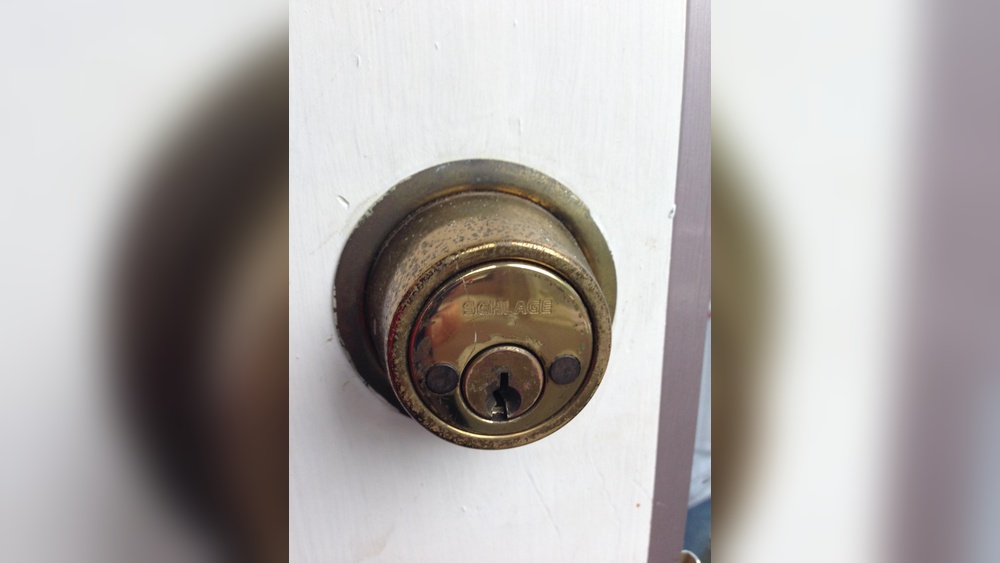
Have you ever wondered how a vertical deadbolt keeps your home secure? Understanding how this simple device works can give you peace of mind about your safety.
Whether you’re thinking about upgrading your locks or just curious about how they function, knowing the ins and outs of a vertical deadbolt will help you make smarter choices. Keep reading to discover how this clever lock protects your door and why it might be the perfect fit for your security needs.

Credit: www.amazon.sg
Vertical Deadbolt Basics
A vertical deadbolt is a type of lock used to secure doors. It offers strong protection by extending a bolt vertically into the door frame. This design helps prevent forced entry and adds extra security to your home or office. Understanding how it works is useful for anyone interested in door security.
Design And Components
The vertical deadbolt has several key parts. The main component is the bolt, which moves up and down. It fits into a metal strike plate on the door frame. A cylinder controls the bolt with a key or thumb turn. Springs and pins inside the lock keep it secure. The vertical motion differs from regular locks that move side to side.
How It Differs From Horizontal Deadbolts
Horizontal deadbolts slide a bolt sideways into the door frame. Vertical deadbolts move the bolt up or down instead. This vertical movement makes it harder to force the door open. It also works better with certain door designs. Vertical deadbolts often resist prying and kicking better than horizontal ones. The choice depends on your door and security needs.
Mechanism Of Action
The mechanism of action in a vertical deadbolt is simple but effective. It uses a vertical bolt that moves up and down to lock or unlock the door. This design adds extra security by making it harder to force the door open.
The vertical movement of the bolt is controlled by a key or a thumbturn. Both parts work together to secure the door firmly in place or release it quickly.
Locking Process
To lock the door, the vertical bolt slides down into the strike plate on the door frame. This bolt fits tightly, blocking the door from opening. The bolt moves vertically, unlike a traditional deadbolt that moves sideways. This vertical motion makes it more resistant to prying or kicking.
Unlocking Process
Unlocking reverses the bolt’s motion. The bolt slides up out of the strike plate. This frees the door and allows it to open. The bolt moves smoothly up when the correct key or thumbturn is used. The vertical action ensures the door stays secure until actively unlocked.
Role Of The Key And Thumbturn
The key controls the bolt from outside the door. Turning the key moves the bolt up or down. Inside, the thumbturn allows quick locking or unlocking without a key. Both parts connect to the bolt with a simple mechanism. This makes locking and unlocking easy and secure.
Security Features
Vertical deadbolts offer strong security for your doors. Their design includes special features to keep homes safe. These locks work hard against common break-in methods. Understanding these features helps you see their value.
Resistance To Forced Entry
Vertical deadbolts use solid metal parts that resist force. The bolt moves straight into the door frame, making it hard to push open. This design limits the chance of door kick-ins. Thick bolts add extra strength to the lock.
Pick And Bump Proof Elements
These locks include pins and tumblers that block lock picking. The vertical deadbolt’s shape makes bump keys less effective. This reduces the risk of someone opening the lock without a key. The mechanism is designed for strong protection.
Durability And Material Strength
Most vertical deadbolts use hardened steel or brass. These materials resist rust and wear over time. The lock stays reliable even after heavy use. Strong materials prevent damage from tampering or weather.
Credit: ring.com
Installation Tips
Installing a vertical deadbolt correctly ensures strong security for your door. Small mistakes can reduce its effectiveness. Follow clear steps to make sure it fits well and works smoothly.
Good installation helps the deadbolt lock and unlock without trouble. It also keeps the door safe from forced entry.
Choosing The Right Door
Pick a solid door for your vertical deadbolt. Wood or metal doors work best. Hollow doors may not hold the lock firmly. Make sure the door is thick enough for the deadbolt parts. Check the door’s edge for space to fit the lock.
Proper Alignment And Placement
Mark the exact spot on the door edge for the deadbolt. The bolt should slide into the door frame smoothly. Align the lock with the strike plate on the frame. Misalignment can stop the deadbolt from working. Test the lock movement before final fixing.
Tools And Steps Required
Gather a drill, screwdriver, tape measure, pencil, and chisel. Start by measuring and marking the spots for holes. Drill carefully to avoid cracking the door. Insert the lock body and bolt into the holes. Fix screws tightly but do not overtighten. Attach the strike plate on the frame. Test the deadbolt multiple times to check smooth operation.
Maintenance And Troubleshooting
Maintaining a vertical deadbolt ensures it works smoothly and lasts longer. Regular care prevents common problems and keeps your home secure. Troubleshooting helps you fix small issues before they get worse.
Lubrication And Cleaning
Apply lubricant to the deadbolt every six months. Use a graphite or silicone spray for best results. Avoid oil-based lubricants; they attract dirt and dust.
Clean the keyhole with a soft brush to remove dust. Wipe the exterior with a damp cloth to prevent grime buildup. Keep the moving parts free of debris for smooth operation.
Common Issues And Fixes
The deadbolt may stick or jam if dirty or dry. Lubricate and clean it to restore smooth movement.
If the key does not turn, check for bent keys or misalignment. Try a spare key or gently adjust the bolt position.
Loose screws can cause the deadbolt to misalign. Tighten screws on the lock and strike plate to fix this.
When To Replace Your Deadbolt
Replace the deadbolt if it shows signs of rust or damage. Frequent jamming or failure to lock indicates it needs replacement.
Upgrading to a newer model improves security and reliability. Choose a deadbolt that fits your door and security needs.
Comparing Vertical Deadbolts To Other Locks
Vertical deadbolts offer a unique design that sets them apart from other lock types. Understanding their differences helps in choosing the right lock for your needs. This section compares vertical deadbolts with horizontal deadbolts, electronic locks, and looks at cost and security factors.
Versus Horizontal Deadbolts
Vertical deadbolts move up and down to lock or unlock. Horizontal deadbolts slide in and out sideways. The vertical design can be harder to force open. Horizontal deadbolts are more common and easier to install. Vertical deadbolts often provide extra resistance to kick-ins. Some users find vertical deadbolts more durable over time.
Versus Electronic Locks
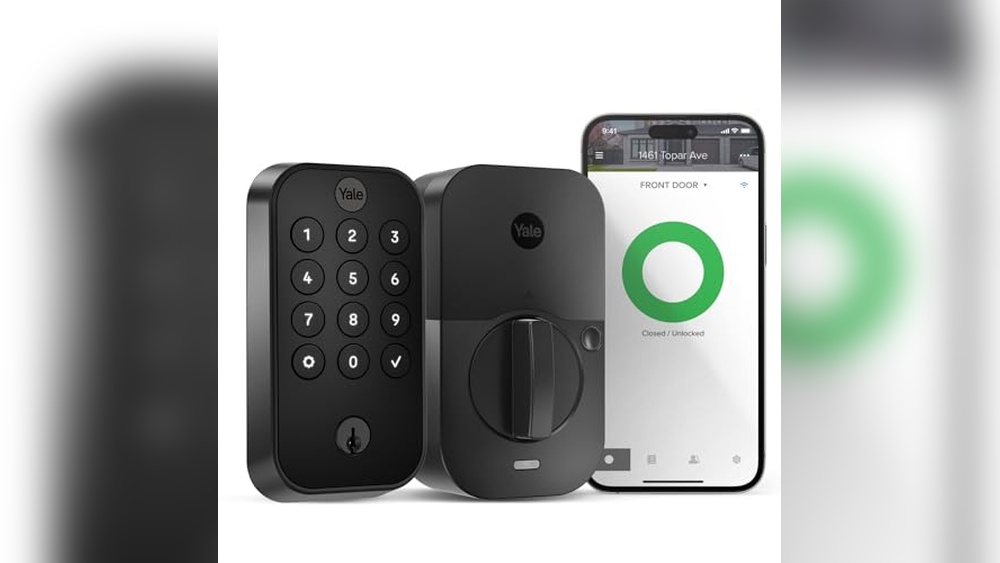
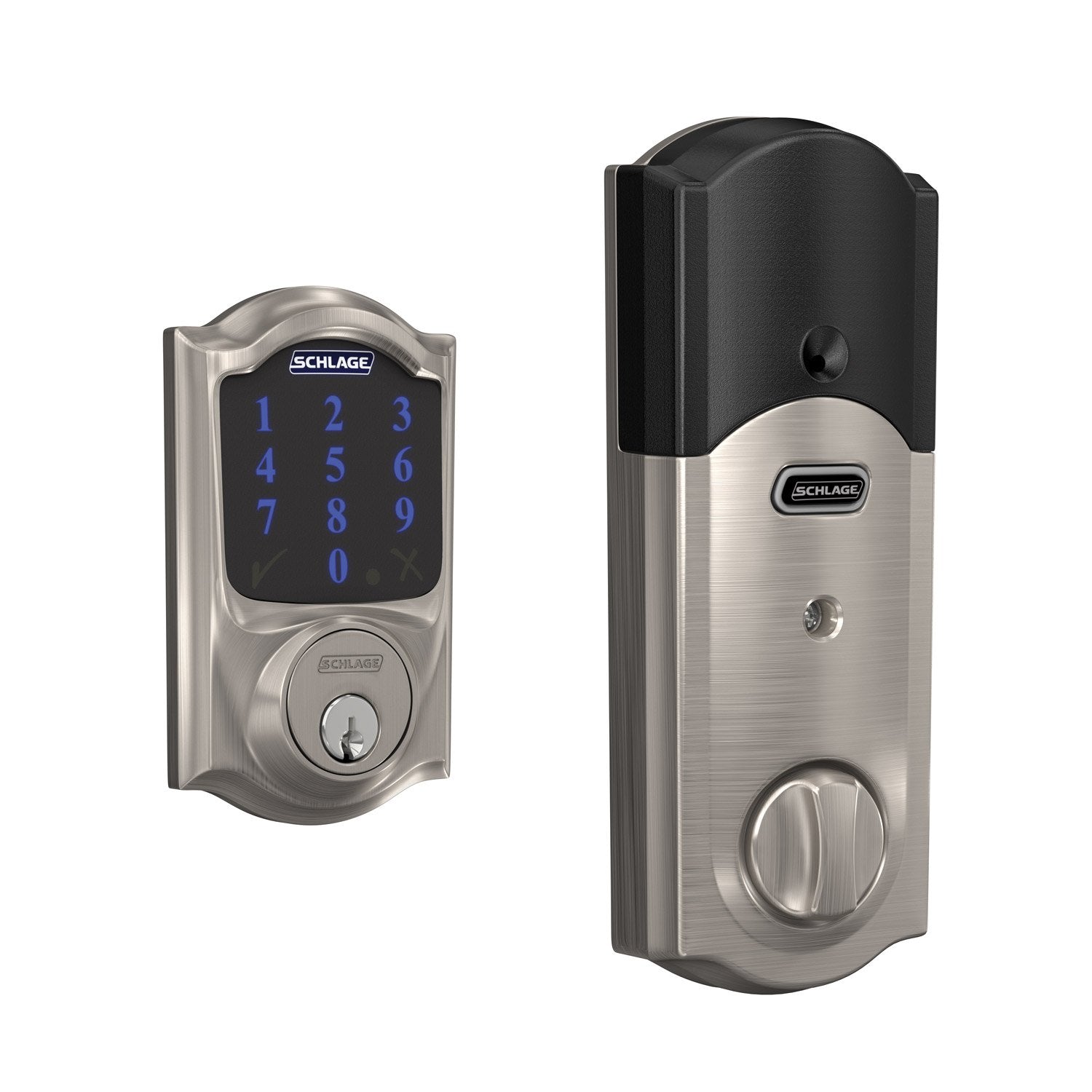
Electronic locks use codes or keys to open doors. Vertical deadbolts require a physical key or thumb turn. Electronic locks offer convenience and keyless entry. Vertical deadbolts do not rely on batteries or electronics. This makes vertical deadbolts more reliable during power outages. Electronic locks may have more features but need regular maintenance.
Cost And Security Considerations
Vertical deadbolts usually cost more than standard horizontal locks. Their complex design adds to the price. Both types provide strong security for residential use. Electronic locks often cost more upfront and may need ongoing costs. Vertical deadbolts offer strong physical protection without extra fees. Choose based on your budget and security needs.
Credit: sketchplanations.com
Frequently Asked Questions
What Is A Vertical Deadbolt Lock?
A vertical deadbolt is a lock with a bolt that moves vertically. It provides strong security by engaging deep into the door frame. This design resists forced entry better than traditional horizontal deadbolts. It’s commonly used in residential and commercial doors for enhanced protection.
How Does A Vertical Deadbolt Differ From Horizontal?
Vertical deadbolts move up and down, unlike horizontal ones that slide sideways. This vertical motion creates a more secure locking mechanism. It reduces the risk of the bolt being forced open by prying tools. This difference makes vertical deadbolts highly reliable for door security.
Can A Vertical Deadbolt Be Installed On Any Door?
Most standard doors can accommodate vertical deadbolts with proper fitting. Installation may require professional adjustment to match the door frame. It’s essential to ensure the strike plate aligns well for effective locking. Vertical deadbolts work best on solid, sturdy doors for optimal security.
Are Vertical Deadbolts More Secure Than Other Locks?
Yes, vertical deadbolts offer enhanced security due to their deep, vertical bolt movement. They resist forced entry and prying better than many conventional locks. Their design reduces the chance of lock tampering or break-ins. This makes them a preferred choice for secure entry points.
Conclusion
A vertical deadbolt offers strong security with a simple design. It moves up and down to lock doors firmly. This type of lock resists force better than many others. Installing one can improve your home’s safety noticeably. Understanding how it works helps you choose the right lock.
Keep your property secure with a reliable vertical deadbolt. It is a practical choice for many homeowners and renters. Safety made easy.