Are you planning to build a free standing wall and want to make sure it stands strong for years? Anchoring your wall properly is the key to keeping it stable and safe, no matter the weather or wear.
You’ll discover simple, step-by-step tips that anyone can follow to anchor a free standing wall like a pro. Whether you’re a DIY enthusiast or just want to avoid costly repairs later, mastering this skill will save you time, money, and frustration.
Keep reading to learn exactly what you need to do to secure your wall the right way.
Choosing The Right Wall Type
Choosing the right wall type is key to building a strong free standing wall. The wall must suit its purpose and environment. Different wall types work better for different spaces. The right choice helps with stability and safety.
Materials For Free Standing Walls
Walls can be made from various materials. Wood is popular for a natural look. It is easy to work with but needs protection from weather. Concrete blocks offer strong support. They last long and resist damage. Stone walls look classic and sturdy. They require skill to build properly. Metal panels provide a modern style. They are lightweight and durable. Each material has pros and cons. Choose based on your needs and budget.
Wall Height And Thickness Considerations
Wall height affects how thick the base must be. Taller walls need thicker foundations to stay steady. Short walls can be thinner but still need good support. Thickness also depends on the material used. Heavier materials need thicker walls for strength. Thicker walls handle wind and pressure better. Plan height and thickness carefully for safety. Check local rules about wall dimensions before building.
Assessing The Site Conditions
Before anchoring a free standing wall, knowing the site is key. The ground where you build affects the wall’s strength. You must study the soil and how water moves around. These details guide you to secure the wall properly.
Soil Type And Stability
Soil type tells you how strong the ground is. Sandy soil drains fast but may not hold well. Clay soil holds water but can shift when wet. Rocky soil is stable but hard to dig. Check the soil by digging small holes or using a soil test kit. Stable soil means your wall will stand firm. Loose or soft soil needs extra support for anchors.
Drainage And Moisture Impact
Water affects the wall’s base and anchors. Poor drainage causes water to pool and soften soil. Moist soil can make anchors loose over time. Watch for slopes that direct water toward the wall. Plan drainage to move water away from the base. Use gravel or pipes to keep moisture low. Good drainage protects the wall from damage and keeps anchors tight.
Anchoring Methods Explained
Anchoring a free-standing wall keeps it strong and safe. Walls face wind, rain, and pressure. Choosing the right anchor method helps the wall stay upright. It also stops damage and accidents.
Different methods fit different walls and ground types. Below are three common ways to anchor a free-standing wall. Each offers a solid base and support.
Using Ground Anchors
Ground anchors are long metal rods pushed deep into the soil. They hold the wall by gripping the earth below. This method works well for soft or loose soil.
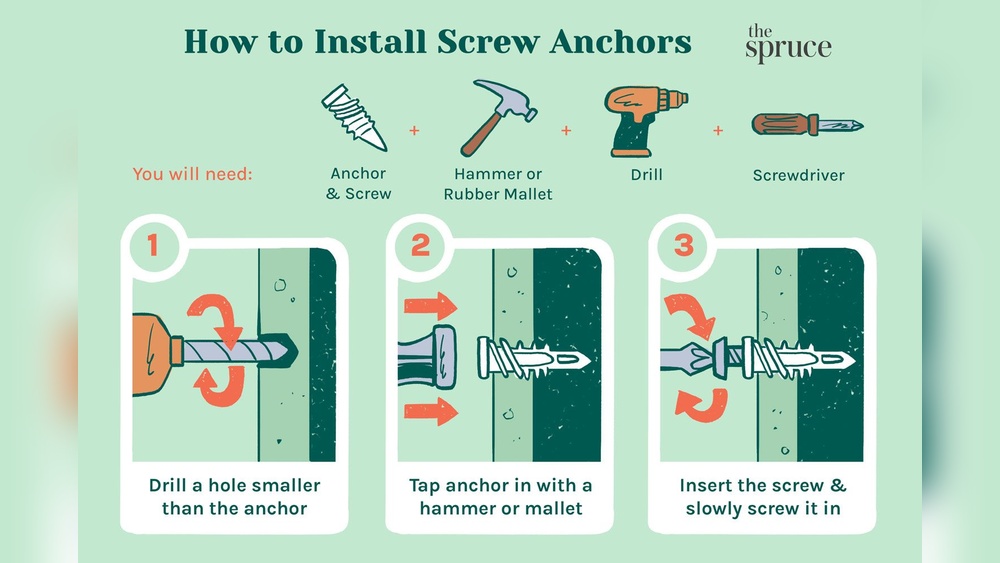
Install ground anchors by drilling holes near the wall base. Insert the anchors and tighten them to the wall frame. This adds stability and stops the wall from tipping.
Installing Steel Braces
Steel braces attach from the wall to the ground or nearby structure. They act like arms holding the wall steady. This method suits walls that need extra side support.
Fasten steel braces to the wall frame using bolts. Then, secure the other end in the ground or concrete. Braces reduce movement caused by wind or pressure.
Concrete Footing Anchors
Concrete footing anchors fix the wall to a solid concrete base. This provides a strong, fixed point that does not move. Concrete footings work best for permanent walls.
Pour concrete footings below the wall line first. While wet, place anchor bolts into the concrete. Attach the wall frame to these bolts once the concrete cures.
Credit: www.youtube.com
Tools And Materials Needed
Anchoring a free standing wall requires specific tools and materials. Having the right items makes the process safer and faster. You avoid mistakes and ensure the wall stays strong.
Essential Tools For Anchoring
You need a drill to make holes in the wall and ground. A level helps check if the wall is straight. Use a tape measure to get exact distances. A hammer drives nails or anchors. A wrench tightens bolts securely. Safety gloves protect your hands during work. A pencil marks spots for drilling or fixing.
Recommended Materials
Use anchor bolts made for heavy loads. These hold the wall firmly to the ground. Metal brackets add extra support at joints. Concrete or cement creates a solid base. Wood screws fit wooden wall frames. Use washers with bolts to spread pressure. Choose rust-resistant materials for outdoor walls.
Step-by-step Anchoring Process
Anchoring a free standing wall correctly is key to its strength and safety. This step-by-step process breaks down the main tasks. Follow each step carefully to secure your wall firmly. Safety and stability come from good preparation and precise work.
Preparing The Wall Base
Start by clearing the ground where the wall will stand. Remove dirt, rocks, and debris to create a flat surface. Use a level to check if the base is even. If needed, add gravel or sand to make a stable foundation. Mark the exact spot for each anchor. This ensures proper placement and balance.
Placing And Securing Anchors
Choose the right anchors for your wall type and ground. Drill holes at the marked spots using the correct drill bit size. Insert the anchors into the holes firmly. Tighten bolts or screws to fix the anchors tightly. Check that anchors hold well and do not move. This step locks the wall base securely in place.
Final Stability Checks
After setting the anchors, inspect the entire wall base. Push gently on the wall to test its firmness. Look for any movement or wobbling. Tighten any loose bolts or fasteners. Confirm the wall stands straight and steady. These checks prevent future issues and keep the wall safe.
Credit: aspent.com
Common Mistakes To Avoid
Anchoring a free standing wall needs careful attention to avoid common errors. These mistakes can weaken the wall and cause costly repairs. Understanding what to avoid helps build a strong and lasting structure.
Incorrect Anchor Placement
Placing anchors in the wrong spots reduces wall stability. Anchors must be set at proper heights and distances for support. Too close or too far apart makes the wall unsafe. Follow guidelines for exact anchor locations.
Ignoring Soil Conditions
Soil type affects how well anchors hold. Loose or sandy soil needs deeper or stronger anchors. Hard clay may require different fixing methods. Testing soil before building prevents anchor failure.
Overlooking Maintenance Needs
Anchors can loosen over time from weather and use. Regular checks keep the wall secure and safe. Tighten or replace anchors if needed. Skipping maintenance risks wall damage or collapse.
Maintenance Tips For Long-term Stability
Maintaining a free standing wall ensures it stays strong and safe for years. Proper care helps prevent damage and costly repairs. Follow these simple tips to keep your wall stable and secure.
Regular Inspections
Check your wall often for any signs of damage. Look for loose stones, leaning sections, or gaps. Early detection can stop small problems from growing. Make inspections part of your routine, especially after storms.
Addressing Shifts And Cracks
Notice any cracks or shifts in the wall? Fix them quickly to keep the structure steady. Fill small cracks with suitable mortar or sealant. For bigger shifts, consult a professional to reinforce the wall properly.
Weatherproofing Measures
Protect your wall from harsh weather by applying water-resistant sealers. This prevents water damage and erosion. Trim plants and trees near the wall to reduce moisture buildup. Proper drainage around the wall also helps avoid water pooling.
Credit: aspent.com
Frequently Asked Questions
What Materials Are Needed To Anchor A Free Standing Wall?
You need anchor bolts, metal brackets, concrete mix, a drill, and a level. These materials secure the wall firmly to the foundation and prevent movement.
How Deep Should Anchor Bolts Be Set For Stability?
Anchor bolts should be embedded at least 7 inches deep in concrete. This depth ensures strong resistance against wind and structural pressure.
Can I Anchor A Free Standing Wall On Uneven Ground?
Yes, but first level the ground or use adjustable brackets. Proper leveling prevents wall leaning and enhances overall stability.
What Is The Best Method To Anchor Wooden Walls?
Use metal brackets fixed to both the wall base and concrete foundation. This method offers strong support and resists shifting.
Conclusion
Anchoring a free standing wall keeps it strong and safe. Use the right tools and follow steps carefully. Secure the base firmly to avoid movement. Check your work often to ensure stability. A well-anchored wall lasts longer and stays upright.
Small efforts now prevent big problems later. Start with a solid plan and take your time. Your wall will stand steady through weather and wear. Simple steps create a safe, lasting structure you can trust.