Are you tired of dealing with nails, drills, and messy holes every time you want to hang something? Sticky wall hooks could be the simple solution you’ve been looking for.
They’re easy to use, damage-free, and surprisingly strong. You’ll discover how to make the most out of these clever hooks to organize your space quickly and neatly. Keep reading, and you’ll learn tips and tricks that make hanging things easier than ever before.

Credit: www.ubuy.com.jm
Choosing The Right Sticky Hooks
Preparing the surface is the first step to using sticky wall hooks effectively. The hooks stick best on clean, dry, and smooth surfaces. A well-prepared surface ensures strong adhesion and long-lasting hold. Taking time to prepare can prevent the hook from falling off later.
Cleaning And Drying Tips
Start by wiping the wall with a damp cloth to remove dust. Use mild soap if the surface is greasy or dirty. Avoid using oily or waxy cleaners. After cleaning, dry the area completely with a dry cloth. Moisture reduces the hook’s stickiness. Let the surface air dry for a few minutes if needed.
Avoiding Common Surface Issues
Sticky hooks do not work well on rough or uneven walls. Avoid textured wallpaper or brick surfaces. Painted walls should be smooth and not peeling. Do not stick hooks to wallpaper that might peel off. Avoid areas with high humidity like bathrooms or kitchens. These conditions weaken the adhesive and cause hooks to fall.

Credit: www.amazon.com
Preparing The Surface
Applying sticky wall hooks correctly ensures they hold well and last longer. The right technique prevents them from falling off or damaging your walls. This section explains how to apply these hooks properly for the best results.
Positioning For Best Hold
Choose a clean, smooth surface for the hook. Avoid rough, textured, or dusty walls. These surfaces weaken the adhesive. Pick a spot that can support the weight of the item you plan to hang. Place hooks away from direct sunlight or moisture. These conditions reduce stickiness over time.
Before sticking, wipe the area with a damp cloth. Let it dry completely. This step removes dirt and oils. It helps the hook stick firmly and stay longer.
Pressing And Setting The Hook
Peel off the backing carefully without touching the adhesive. Press the hook firmly against the wall. Hold it for about 30 seconds. This pressure helps the glue bond well.
Wait at least one hour before hanging anything. This setting time increases the hook’s strength. Avoid pulling or moving the hook right after application. Let it settle fully to avoid falling.
Proper Application Techniques
Sticky wall hooks offer a simple way to keep spaces neat and stylish. These hooks stick firmly without drilling holes. They fit many surfaces and hold various items. Using sticky hooks creatively can save space and add charm to any room.
Organizing Kitchen And Bathroom
Sticky hooks help hang utensils, towels, and cleaning tools. In the kitchen, use them for spatulas, measuring spoons, or pot holders. In the bathroom, hang loofahs, hairbrushes, or small baskets. These hooks keep essentials within reach and off counters. They make small spaces feel tidy and open.
Decorating With Wall Hooks
Use sticky hooks to display lightweight frames or art pieces. Hang string lights or decorative garlands for a cozy look. Hooks can hold plants in small pots, adding greenery to walls. They let you change decorations easily without damage. Perfect for renters and seasonal decor changes.
Managing Office And Craft Supplies
Sticky hooks organize scissors, tape, and cords in work areas. Hang small baskets to store markers, pens, or glue sticks. Keep cables untangled by looping them on hooks. This setup saves desk space and reduces clutter. It creates a neat, efficient workspace for work or hobbies.

Credit: www.youtube.com
Frequently Asked Questions
What Surfaces Are Best For Sticky Wall Hooks?
Sticky wall hooks work best on smooth, clean, and dry surfaces like glass, tiles, and painted walls. Avoid rough or porous surfaces for better adhesion and longer hold.
How Much Weight Can Sticky Wall Hooks Hold?
Most sticky wall hooks hold between 1 to 5 pounds. Always check the product label for weight limits to avoid damage or falling items.
Can Sticky Wall Hooks Be Reused?
Yes, some sticky wall hooks are reusable. Gently clean the adhesive and surface before reapplying to ensure strong adhesion.
How Do I Remove Sticky Wall Hooks Without Damage?
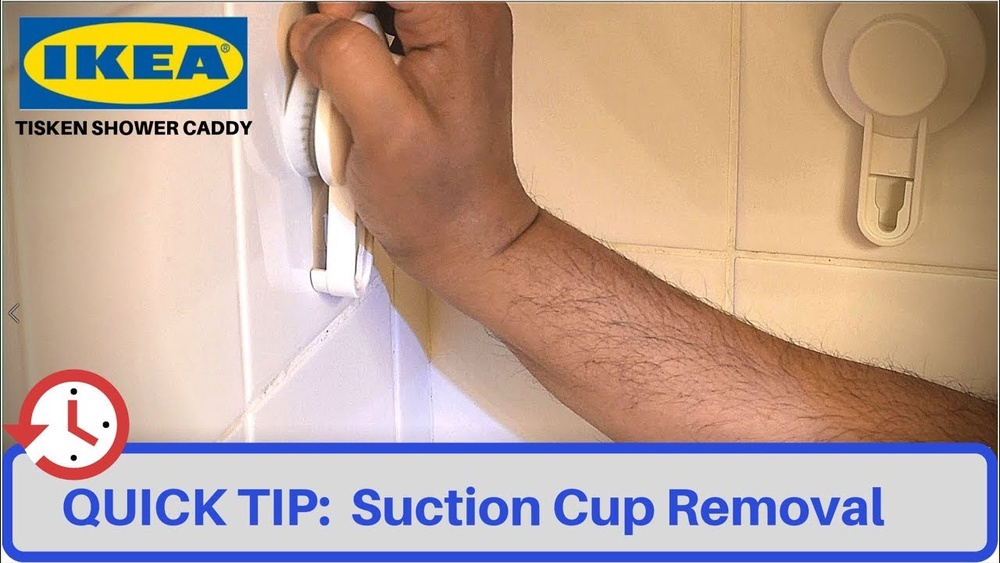
To remove, slowly peel the hook from the wall. Use a hairdryer to soften adhesive if needed. Avoid scraping to prevent wall damage.
Conclusion
Sticky wall hooks help keep your space neat and organized. They hold items without damaging walls or leaving marks. Use them on clean, dry surfaces for best results. Remove hooks slowly to avoid peeling paint or wallpaper. Great for hanging keys, towels, or lightweight decorations.
Try different shapes and sizes to fit your needs. Simple, practical, and easy to use. A smart way to add storage without tools or nails. Give your room a quick, tidy update today.