Looking for a simple way to add style and function to your space? Making a wood wall hook is easier than you think.
You don’t need fancy tools or skills to create something that looks great and holds your keys, bags, or coats. Imagine having a unique hook that fits perfectly with your home’s style—made by you. In this guide, you’ll discover easy steps to craft your own wood wall hook, saving money and adding a personal touch to your walls.
Ready to get started? Let’s dive in!

Credit: www.papernstitchblog.com
Materials And Tools Needed
Before starting your wood wall hook project, gather all materials and tools. Having the right supplies makes the work easier and the results better. This section covers the basics you need to create a strong and stylish hook.
Choosing The Right Wood
Select wood that is sturdy and easy to work with. Pine, oak, or cedar are good choices. Avoid soft woods that may break or chip easily. Measure the size you want before buying. A smooth surface helps with sanding and finishing.
Essential Tools For The Project
You will need a saw to cut the wood to size. A drill is important for making holes for hooks or screws. Sandpaper smooths the edges and surface. Screwdriver or screws help attach the hooks. A ruler or tape measure keeps your cuts accurate. Safety gear like gloves and goggles protects your hands and eyes.
Optional Decorative Elements
Decorate your hook with paint or wood stain for a nice look. Small stencils or stickers add patterns. You can use varnish to protect the wood. Hooks come in many styles, from metal to wooden pegs. Choose decorations that match your room’s style.

Credit: www.youtube.com
Preparing The Wood
Preparing the wood is the first step to making a strong and beautiful wall hook. Careful preparation ensures the wood fits well and looks great. It also makes the hook safe to use and long-lasting.
Measuring And Cutting To Size
Start by measuring the wood carefully. Use a ruler or tape measure to get exact dimensions. Mark the wood with a pencil where you will cut. Cut the wood with a saw that fits your size needs. Straight cuts help the hook fit perfectly on the wall.
Sanding For A Smooth Finish
Sand the wood with sandpaper to remove rough edges. Use medium grit sandpaper first, then fine grit for a smooth surface. Sand all sides and corners evenly. Smooth wood looks better and feels safe to touch. This step also helps paint or stain stick well.
Designing Your Hook
Designing your wood wall hook is an important step. It shapes the final look and function of your project. Thoughtful design makes your hook both useful and attractive. You will choose styles and plan where to place the hooks. These choices affect the room’s style and the hook’s strength.
Selecting Hook Styles
Pick a style that fits your room’s decor. Simple hooks work well in modern spaces. Curved or ornate hooks suit classic or rustic rooms. Think about the size of items you will hang. Bigger hooks hold heavier coats or bags. Small hooks are good for keys or light scarves. Wood hooks can be plain or painted. You can also add metal or ceramic parts for style. Choose a finish that matches your wood and room colors.
Planning Hook Placement
Decide where you want your hooks on the wall. Hooks near the door are great for coats and bags. Hooks in the bedroom can hold hats or jewelry. Space hooks enough so items do not overlap. Too close, and it looks crowded. Too far, and it wastes space. A good rule is to leave about 4 to 6 inches between hooks. Think about the height too. Hooks should be easy to reach for everyone in your home. Mark spots with a pencil before drilling. This helps avoid mistakes and keeps your wall neat.
Attaching Hooks To Wood
Attaching hooks to wood is a key step in making a wood wall hook. It holds the hooks securely. It also makes sure the hook can carry weight without falling. This part needs care and the right tools.
Drilling Holes
Mark the spots where hooks will go. Use a pencil for clear marks. Choose a drill bit that fits the screws. Drill holes straight and not too deep. This helps screws go in easily. It stops the wood from splitting.
Securing Hooks Firmly
Place the hook over the drilled holes. Insert screws into the holes carefully. Use a screwdriver or drill to tighten screws. Make sure screws are tight but not too tight. Check if the hook feels strong. It should not wiggle or move.
Finishing Touches
Finishing touches bring your wood wall hook to life. They protect the wood and make it look great. Proper finishing also helps your hook last longer. Choose the right paint, stain, and sealant to fit your style and needs.
Painting And Staining Options
Painting adds color and personality to your wood hook. Use acrylic or latex paint for easy application. Light coats prevent drips and give smooth coverage. Let each coat dry before adding the next.
Staining shows the wood’s natural beauty. Choose from light, medium, or dark stains. Apply with a brush or cloth, wiping off extra stain. This keeps the wood grain visible and rich.
Sealing For Durability
Sealing protects your wood from moisture and wear. Use clear varnish, polyurethane, or lacquer for a strong finish. Brush on thin layers and let dry well between coats. This keeps your hook sturdy and looking fresh.
A good seal also makes cleaning easier. Wipe your hook with a damp cloth without damage. This step ensures your wood wall hook stays beautiful for years.
Mounting The Wood Wall Hook
Mounting the wood wall hook is an important step to make sure it holds items securely. Proper placement and strong hardware keep the hook steady and safe. This section covers how to pick the best spot and fix the hook to the wall.
Choosing The Right Wall Location
Pick a spot where you need the hook most. Near the door or in the closet works well. Check the wall surface. Smooth and clean walls hold hooks better. Avoid weak or damaged areas.
Measure the height carefully. The hook should be easy to reach. Not too high or low. Think about what you will hang. Make sure the hook fits the space and use.
Installing Mounting Hardware
Choose screws or anchors that fit your wall type. Drywall needs anchors for strong support. Wood walls can hold screws directly. Mark the drilling points with a pencil.
Drill holes gently. Insert anchors if needed. Screw the mounting hardware tightly. Attach the wood hook to the hardware. Check if it feels stable before hanging anything.
Creative Variations
Creative variations can make your wood wall hook stand out. They bring character and style to a simple project. Small changes in materials or design can transform the final look. Explore different ideas to match your space and personality.
Using Reclaimed Wood
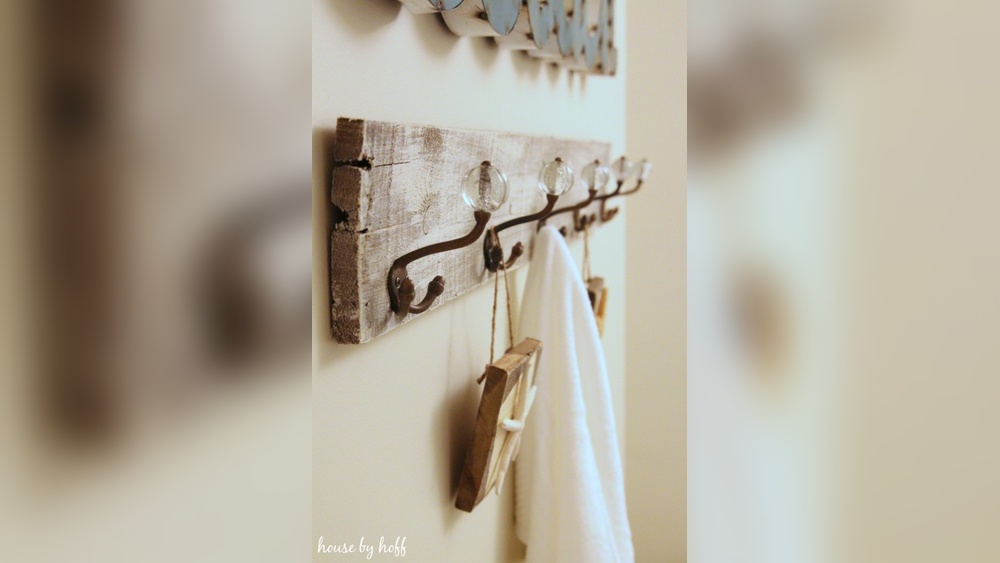
Reclaimed wood adds a rustic charm to your wall hook. It has a unique texture and history. Each piece tells a story with its knots and grain patterns. This wood type is eco-friendly and cost-effective. Sand it lightly to keep its natural beauty. The worn look fits well in vintage or farmhouse decor.
Incorporating Unique Hook Designs
Try different shapes and materials for the hooks themselves. Brass, ceramic, or leather hooks bring variety and style. Hooks shaped like animals or geometric forms add fun details. Mixing metals or colors creates a bold statement. Choose hooks that fit your room’s mood and function.

Credit: www.youtube.com
Maintenance Tips
Maintaining your wood wall hook helps keep it strong and looking good. Simple care steps extend its life and keep it safe to use. Follow these easy tips to keep your wood hook in top shape.
Cleaning Your Wood Hook
Dust your wood hook regularly with a soft cloth. Avoid using water or harsh cleaners that can damage the wood. For sticky spots, use a damp cloth and dry it quickly. A small amount of wood polish can bring back shine.
Repairing Minor Damage
Small scratches can be fixed with a wood filler or wax stick. Light sanding smooths rough areas but be gentle. Reapply finish or stain after repairs to protect the wood. Tighten screws or hooks if they become loose over time.
Frequently Asked Questions
What Materials Are Needed To Make A Wood Wall Hook?
You need wood planks, hooks, screws, a drill, sandpaper, and a measuring tape. Optional paint or stain enhances the look.
How Do I Attach The Wood Wall Hook To The Wall?
Use wall anchors or screws suited for your wall type. Drill pilot holes, then firmly secure the wood hook to ensure stability.
Can I Customize The Size And Design Of Wood Hooks?
Yes, you can cut wood to any size and shape. Personalize with paint, stain, or decorative hooks for a unique style.
How Do I Finish Wood Hooks For Durability?
Apply a clear sealant, varnish, or wood oil. This protects against moisture and wear, increasing the hook’s lifespan and maintaining appearance.
Conclusion
Making a wood wall hook is a simple and fun project. You only need a few tools and materials to start. Follow the steps carefully, and you will create a useful item for your home. This project also helps improve your woodworking skills.
Try different designs to match your style. Enjoy the satisfaction of making something with your own hands. Start your wood wall hook today and add a personal touch to your space. Simple, practical, and rewarding.