If you have an old wood burning stove, you might wonder how it connects safely and efficiently through your wall. Getting this setup right is key to keeping your home warm without risking smoke leaks or fire hazards.
You’re about to discover simple, clear steps to understand how these stoves hook up through walls. By the end, you’ll feel confident handling your stove’s connection or knowing exactly what to ask a professional. Keep reading to learn everything you need for a safe and cozy home.
Types Of Old Wood Stoves
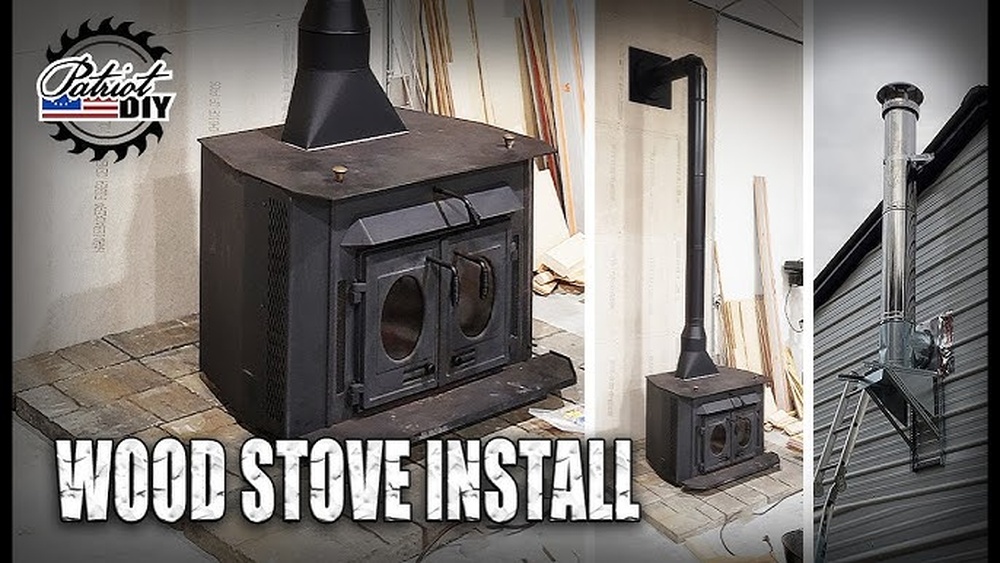
Old wood burning stoves come in different types and designs. Knowing the types helps understand how they connect through walls. These stoves vary in shape, size, and material. Each type has its own way of venting smoke outside.
Understanding the common designs and materials used will clarify how old wood stoves work. This knowledge helps with safe installation and maintenance.
Common Designs
Many old wood stoves have a box-like shape. Some are tall and narrow, while others are short and wide. Most have a door in front to add wood. A flat top allows cooking or heating pots. Some stoves include a small oven inside for baking.
The chimney pipe often connects at the back or top. This pipe goes through the wall or ceiling to lead smoke outside. Some stoves use a single pipe, others have multiple sections. The design depends on the stove’s age and model.
Materials Used
Cast iron is the most common material for old wood stoves. It holds heat well and lasts a long time. Some stoves use steel, which heats up faster but cools quickly. Firebrick lines the stove’s inside to protect metal from heat damage.
Stove pipes are usually made of steel or cast iron. These materials resist high temperatures and prevent leaks. Proper materials help keep smoke from entering the home. Knowing the materials aids in choosing the right venting method.

Credit: www.youtube.com
Choosing The Right Location
Choosing the right location for an old wood-burning stove is important. It affects safety, efficiency, and comfort. The stove must fit well in the space and connect properly through the wall. This section explains key points to consider before installation.
Safety Considerations
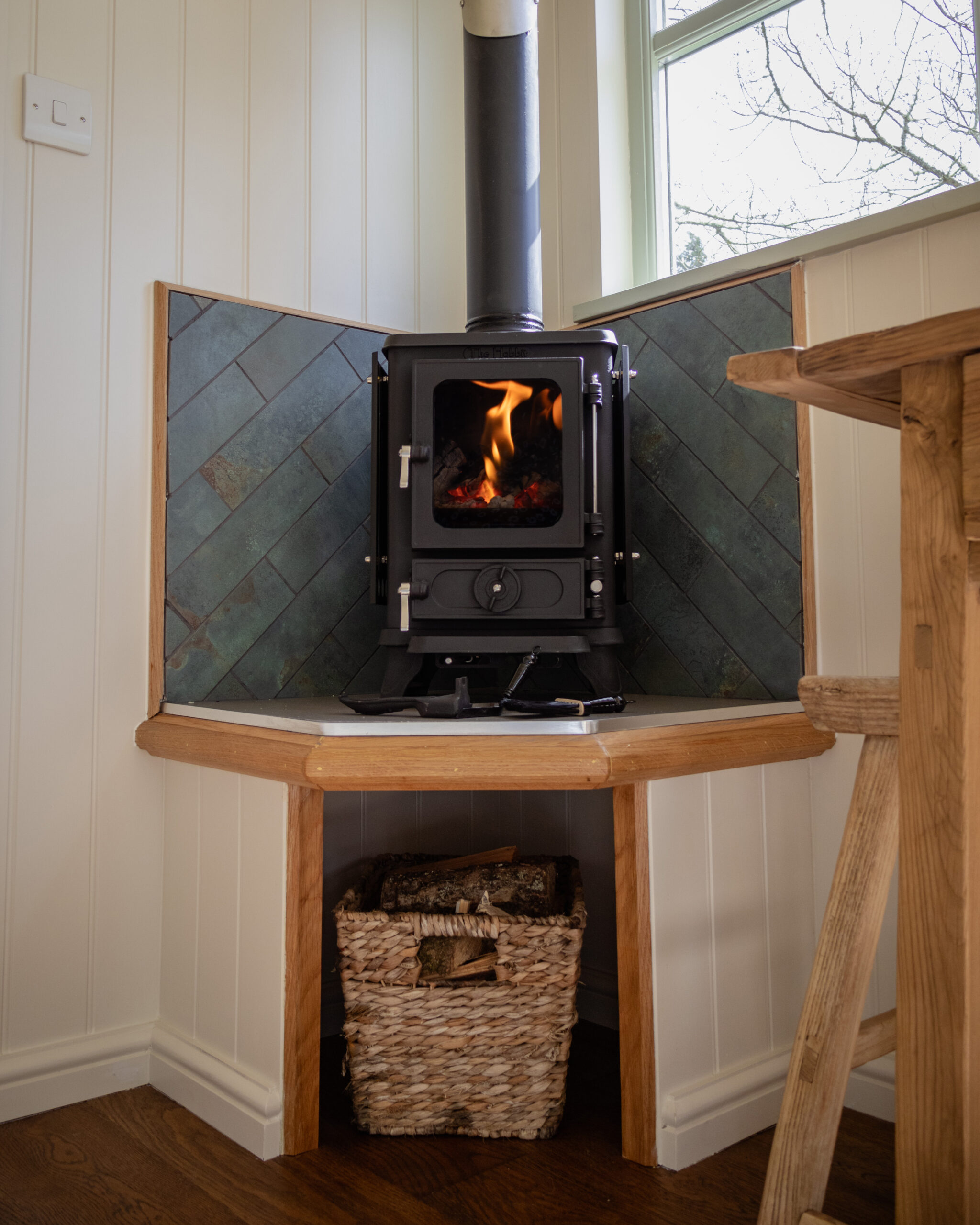
Keep the stove away from flammable materials like curtains and furniture. Use a non-combustible hearth or base under the stove. Maintain enough space around the stove for airflow and heat spread. Check local building codes for minimum clearances. Ensure the wall where the stove pipe passes is heat-resistant or protected. Install smoke and carbon monoxide detectors nearby for extra safety.
Ventilation Needs
Proper ventilation prevents smoke buildup inside the home. The stove pipe must be airtight and sealed where it goes through the wall. Use a chimney or flue that extends above the roofline to allow smoke to exit safely. Ventilation helps the stove burn fuel efficiently and reduces harmful gases. Regularly inspect and clean the chimney to avoid blockages. Good airflow keeps the room fresh and safe to breathe.
Wall Penetration Basics
Understanding how to safely pass your old wood burning stove’s pipe through a wall is key. This process is called wall penetration. It protects your home from heat and fire risks.
Proper wall penetration keeps your stove working well. It also prevents smoke or gases from entering your living space. You must follow certain steps to do this correctly.
Cutting Through The Wall
First, mark the spot where the stove pipe will go. Use a level to make sure the hole is straight. The hole needs to be bigger than the pipe for clearance.
Use a saw or drill to cut through the wall carefully. Wear safety gear to protect your eyes and hands. Remove any insulation or obstacles in the hole.
Installing Wall Thimbles
Wall thimbles are metal sleeves that protect the wall. They keep the hot pipe from touching wood or other materials. Slide the thimble into the hole securely.
Seal the edges of the thimble with fireproof material. This stops drafts and heat leaks. Attach the stove pipe through the thimble firmly for safety.
Connecting The Stove Pipe
Connecting the stove pipe of an old wood burning stove through the wall is a careful process. It needs the right materials and secure joints to keep smoke outside. A well-installed pipe ensures safe and efficient stove operation.
Pipe Materials And Sizes
Choose stove pipes made of durable steel or cast iron. These materials resist heat and last long. The pipe size must match the stove’s outlet diameter. A common size is 6 inches, but check your stove’s specs. Using the right size keeps smoke flowing smoothly and prevents leaks.
Sealing And Securing Joints
Seal all pipe joints with high-temperature silicone or stove cement. This stops smoke from escaping into your home. Use metal clamps or screws to tightly secure each connection. Check every joint for gaps or loose fittings before finishing. Proper sealing keeps your home safe and your stove working well.
Chimney And Flue Setup
Setting up the chimney and flue is essential for old wood burning stoves. It ensures smoke leaves the house safely. Proper installation keeps the stove working well. It also prevents dangerous gases from entering living spaces. Understanding chimney and flue setup helps maintain safety and efficiency.
Types Of Chimneys
Different chimneys work with wood burning stoves. Masonry chimneys are made of bricks or stone. They are strong and last long. Metal chimneys use stainless steel pipes. These are easier to install and lighter. Some homes have factory-built chimneys. These come ready to use and fit in tight spaces. Choosing the right chimney depends on stove type and house design.
Flue Liner Installation
A flue liner guides smoke up and out of the chimney. It protects chimney walls from heat and corrosion. Clay or ceramic liners are common choices. Metal liners are flexible and easier to fit in existing chimneys. Installing a flue liner improves draft and safety. It is important to match liner size with stove output. Proper sealing prevents leaks and keeps smoke inside the flue.
Safety Measures And Codes
Installing an old wood burning stove through a wall needs careful attention to safety rules. These rules protect your home from fire and heat damage. Following local codes and safety measures keeps everyone safe and ensures the stove works well. Understanding clearance and fireproofing is key to a secure setup.
Clearance Requirements
Clearance means the space between the stove and any wall or object. This space stops heat from causing fires. Old wood stoves need more clearance than modern ones. Usually, a minimum of 18 inches is safe, but check local codes for exact numbers. Never reduce clearance to fit space. Use a metal shield to lower clearance needs safely.
Fireproofing Walls
Walls around the stove pipe must resist heat and flames. Use fireproof materials like cement board or metal panels. These materials stop heat from reaching wood or drywall. Always install them behind and around the stove pipe. Seal gaps to prevent sparks or hot gases from escaping. Proper fireproofing protects your wall and home from fire risks.
Common Installation Mistakes
Installing an old wood burning stove through a wall can be tricky. Many people make mistakes that cause problems later. These mistakes often lead to poor stove performance and safety risks. Knowing common errors helps avoid frustration and extra costs.
Proper installation ensures the stove heats well and works safely. Pay close attention to details. Small errors can cause big issues like smoke entering the room or drafts that cool the house.
Avoiding Draft Issues
Draft problems happen when air does not flow correctly. This stops the stove from burning efficiently. One common mistake is poor chimney placement. The chimney must be vertical and clear of obstructions.
Another error is using the wrong pipe size. Pipes that are too wide or narrow affect air pressure. Also, gaps or loose joints let air leak, causing drafts. Seal all joints tightly and check for leaks.
Preventing Smoke Leaks
Smoke leaks cause bad smells and can be dangerous. They often occur from bad seals around the stove pipe or wall. Use high-temperature sealant around pipe connections. The pipe must fit snugly through the wall.
Incorrect wall thimble installation also leads to leaks. The thimble protects the wall and holds the pipe. It must be installed straight and sealed well. Inspect the entire path for cracks or holes that let smoke escape.
Credit: www.reddit.com
Maintenance Tips
Old wood burning stoves need care to work well and stay safe. Regular maintenance helps prevent problems and keeps your home warm. You should check and clean parts often. This makes the stove last longer and burn better.
Regular Cleaning
Remove ashes from the stove after each use. Ash buildup can block airflow and reduce heat. Clean the glass door with a soft cloth and stove cleaner. Soot and creosote can build up inside the stove and chimney. Use a chimney brush to clean these deposits at least once a year. This prevents chimney fires and smoke problems.
Inspecting Connections
Check the pipe that goes through the wall for leaks or cracks. Look at the seals around the pipe and stove. These seals should be tight to stop smoke from escaping. Examine the wall around the pipe for heat damage or signs of wear. Fix any loose or damaged parts right away. Tight connections keep your home safe and your stove working well.
Credit: salamanderstoves.com
Frequently Asked Questions
How Do Old Wood Stoves Connect Through Walls Safely?
Old wood stoves connect through walls using insulated stovepipes. These pipes prevent heat transfer and avoid fire hazards. Proper clearance and sealing around pipes ensure safety. Always follow local building codes and manufacturer instructions for installation.
What Materials Are Needed To Hook Up Wood Stoves?
You need insulated stovepipes, wall thimbles, and fireproof sealants. These materials protect walls from heat and prevent smoke leaks. Using high-quality, heat-resistant components ensures durability and safety during stove operation.
Can Old Wood Stoves Vent Directly Through Exterior Walls?
Yes, old wood stoves can vent through exterior walls using special wall thimbles. These thimbles insulate the pipe and prevent heat damage to the wall. Proper installation is essential to maintain safety and efficiency.
How To Maintain Vent Pipes Through Walls For Wood Stoves?
Regularly inspect vent pipes for creosote buildup and damage. Clean pipes annually to prevent blockages and fire risks. Check seals and clearances to maintain safe operation and efficient venting.
Conclusion
Old wood burning stoves connect through walls with care. Proper venting keeps smoke outside and your home safe. Using the right pipe and seal prevents leaks and drafts. Check local rules before starting any installation work. Regular cleaning helps the stove work better and last longer.
A well-installed stove warms your space efficiently and safely. Simple steps make the setup easier to manage. Stay safe and enjoy the cozy heat from your stove.