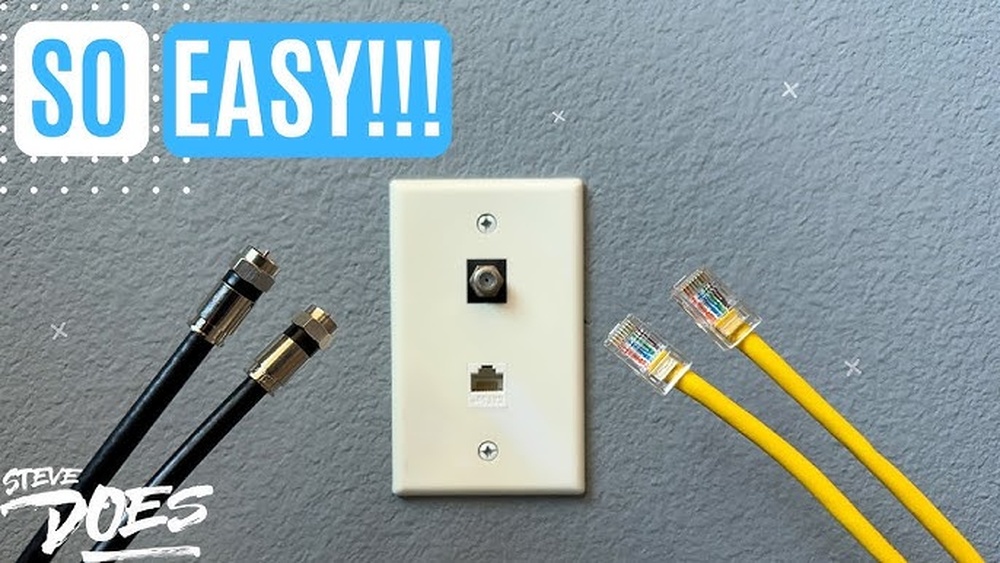
Are you struggling to connect your cable TV and wall Ethernet without the hassle? Getting your devices hooked up the right way can seem tricky, but it doesn’t have to be.
Imagine enjoying your favorite shows with smooth internet streaming, all set up quickly and easily. In this guide, you’ll discover simple steps to connect your cable TV and wall Ethernet like a pro. Keep reading, and you’ll be ready to enjoy seamless entertainment and fast internet in no time.

Credit: www.amazon.com
Tools And Materials Needed
Setting up your cable TV wall Ethernet requires the right tools and materials. These items make the process smooth and efficient. Without them, the task can become frustrating and take longer.
Gathering everything before you start helps avoid interruptions. Knowing what you need saves time and effort. Below is a list of essential tools and cables to prepare.
Essential Tools
- Coaxial cable stripper – removes the cable jacket cleanly
- Compression tool – secures connectors tightly to cables
- Wire cutters – trim cables to the correct length
- Screwdriver – tightens wall plate screws
- Cable tester – checks signal and connection quality
- Drill (optional) – makes holes for cable routing if needed
Required Cables And Connectors
- Coaxial cable (RG6) – standard for cable TV and Ethernet
- F-type connectors – attach to coaxial cable ends
- Wall plate with coaxial port – neat cable outlet on the wall
- Ethernet cable (Cat5e or Cat6) – for internet connection
- Keystone jack – fits Ethernet cable into the wall plate
- Patch cable – connects Ethernet jack to your device
Preparing The Cable Tv Wall Jack
Preparing the Cable TV wall jack is the first step to connect your TV or internet. This step helps ensure a smooth and secure connection. Proper preparation avoids signal loss and loose cables. Take time to check the area before starting the hookup. A little care now saves time and frustration later.
Locating The Wall Outlet
Find the cable TV wall outlet in the room. It usually looks like a small round or rectangular port on the wall. Common places include living rooms, bedrooms, or near TV stands. Sometimes outlets hide behind furniture or under desks. Use a flashlight if the area is dark or hard to see. Knowing the exact location makes the hookup easier and faster.
Inspecting The Cable Jack
Look closely at the cable jack for any damage. Check if the port is clean and free of dust. Dust or dirt can block the signal and cause problems. See if the jack is loose or cracked. A loose jack may need tightening or replacement. Also, check the type of connector it uses. This helps you get the right cable for your setup.
Connecting The Ethernet Cable
Connecting the Ethernet cable to your cable TV wall outlet is a key step. It ensures your devices get a steady internet connection. This section guides you through choosing the right cable and wiring it properly. Follow these steps to make your setup clean and efficient.
Choosing The Right Ethernet Cable
Select an Ethernet cable that matches your internet speed needs. Cat5e cables work well for speeds up to 1 Gbps. Cat6 cables handle faster speeds and reduce interference. Also, check the cable length. Keep it short to avoid signal loss but long enough to reach your device comfortably.
Wiring The Cable To The Wall Plate
Start by stripping about one inch of the cable jacket. Separate the twisted pairs and arrange them by color. Use the T568B wiring standard for most home setups. Insert the wires into the correct slots on the wall plate connector. Press firmly to secure the wires, then snap the plate into the wall. Test the connection before finalizing the installation.

Credit: www.youtube.com
Setting Up The Cable Tv Connection
Setting up the cable TV connection is the first step to enjoy your favorite shows. It involves connecting the coaxial cable properly to your wall outlet and ensuring the connection is secure. A good connection helps prevent signal loss and picture issues. Follow these simple steps for a smooth setup.
Attaching The Coaxial Cable
Start by locating the coaxial cable from your cable box or TV. Find the wall outlet with a matching coaxial port. Align the cable’s connector with the port carefully. Turn the connector clockwise to screw it onto the wall outlet. Tighten it gently until snug. Avoid using too much force to prevent damage.
Securing The Connection
Check if the cable is firmly attached to the wall outlet. Tug lightly to confirm it does not come loose. Use a cable clip or tie to keep the cable in place. This prevents accidental disconnection or tangling. Make sure the cable runs smoothly without sharp bends. A secure connection ensures clear TV signals and fewer interruptions.
Testing The Connections
Testing the connections is the final step after hooking up your cable TV and wall Ethernet. This step ensures all cables work correctly. It helps you avoid signal loss or slow internet.
Testing saves time and frustration later. You confirm everything functions well before you start using your devices. Follow simple checks for both Ethernet and cable TV signals.
Verifying Ethernet Connectivity
Start by checking the Ethernet connection. Use a device like a laptop or desktop with an Ethernet port. Plug one end of the cable into the wall jack and the other into your device.
Look for a connection light on the device or Ethernet port. This light usually indicates active data transfer. Open your device’s network settings to see if it detects the connection.
Run a quick internet test by browsing a website or streaming a video. If the page loads fast, your Ethernet connection works well. If not, check cable plugs and try again.
Checking Cable Tv Signal
Next, test the cable TV signal. Connect the cable TV cable to your TV or set-top box. Turn on the device and switch to a live TV channel.
Check the picture quality. A clear, stable image means a strong signal. If the picture is fuzzy or the screen is blank, inspect the cable connections again.
Try different channels to confirm the signal strength. If problems persist, consider adjusting or replacing the coaxial cable.

Credit: indiandefencereview.com
Troubleshooting Common Issues
Troubleshooting common issues helps keep your cable TV and Ethernet working smoothly. Problems can happen anytime. Knowing how to fix them saves time and frustration.
Most issues come from simple causes. Checking connections and signal quality is the first step. This section shows easy ways to solve common problems fast.
Fixing Loose Connections
Loose connections often cause picture or internet problems. Check all cables plugged into the wall and devices. Make sure each cable fits snugly without wiggle.
Push cables firmly into ports. Listen for a click or feel when they lock in place. Loose cables can cut the signal or cause interruptions.
Look for damaged cables or bent connectors. Replace any that look worn out. Using good quality cables helps keep the connection strong.
Resolving Signal Problems
Signal problems cause poor TV picture or slow internet speed. Start by checking the signal strength on your TV or modem. Low signal means interference or bad cable.
Remove any splitters or extra connectors. These can weaken the signal. If using a splitter, try connecting directly to the wall outlet to test the signal.
Keep cables away from power cords or electronic devices that cause interference. If the signal remains weak, contact your service provider for help.
Tips For Maintaining Your Setup
Keeping your cable TV and Ethernet setup working well takes some care. Regular checks and smart habits help avoid problems. This keeps your connection strong and your devices running smoothly.
Regular Cable Inspection
Check cables often for wear or damage. Look for cracks, cuts, or loose ends. Replace any damaged cables right away. Clean cable ports to remove dust and dirt. Clean contacts help maintain a strong signal.
Avoiding Interference
Keep cables away from power cords and electronic devices. These can cause signal interference. Use shielded cables to reduce noise. Avoid bending cables sharply or twisting them. Proper cable placement improves signal quality and speed.
Frequently Asked Questions
How Do I Connect Cable Tv To An Ethernet Wall Jack?
To connect cable TV via Ethernet, use a MoCA adapter. Plug the coaxial cable into the adapter, then connect the Ethernet cable to the wall jack. This setup allows your TV to access the internet through your home’s coaxial wiring.
Can I Use The Same Ethernet Wall For Tv And Internet?
Yes, with the right equipment. Use a MoCA adapter to share the coaxial line for both cable TV and internet. This ensures a stable connection for streaming and browsing without interference between services.
What Tools Are Needed To Hook Up Cable Tv To Ethernet?
You need a coaxial cable, MoCA adapters, Ethernet cables, and a splitter if necessary. Also, a coaxial wrench helps secure connections. These tools ensure a proper, secure setup for connecting cable TV through Ethernet.
Is It Possible To Improve Tv Streaming With Ethernet Connection?
Yes, Ethernet offers a more stable, faster connection than Wi-Fi. Connecting your cable TV through Ethernet reduces buffering and improves streaming quality, especially for high-definition channels and online content.
Conclusion
Connecting your cable TV wall Ethernet is easier than it seems. Follow the steps one by one. Check all connections for a secure fit. Test your setup to make sure it works well. A strong connection means better TV and internet experience.
Keep your cables organized to avoid confusion later. With a little patience, you can do this yourself. Enjoy clear channels and fast internet in your home. Simple, quick, and effective—just how it should be.