Are you struggling to hang something heavy on your wall without worrying it might fall? Installing a wall anchor with threads is the simple solution you need.
This method gives you a strong hold, even on drywall or plaster, so your shelves, mirrors, or decorations stay secure. You’ll learn step-by-step how to install these anchors quickly and correctly, saving you time and frustration. Keep reading, and you’ll gain the confidence to tackle your next wall project like a pro.
Credit: www.protoolreviews.com
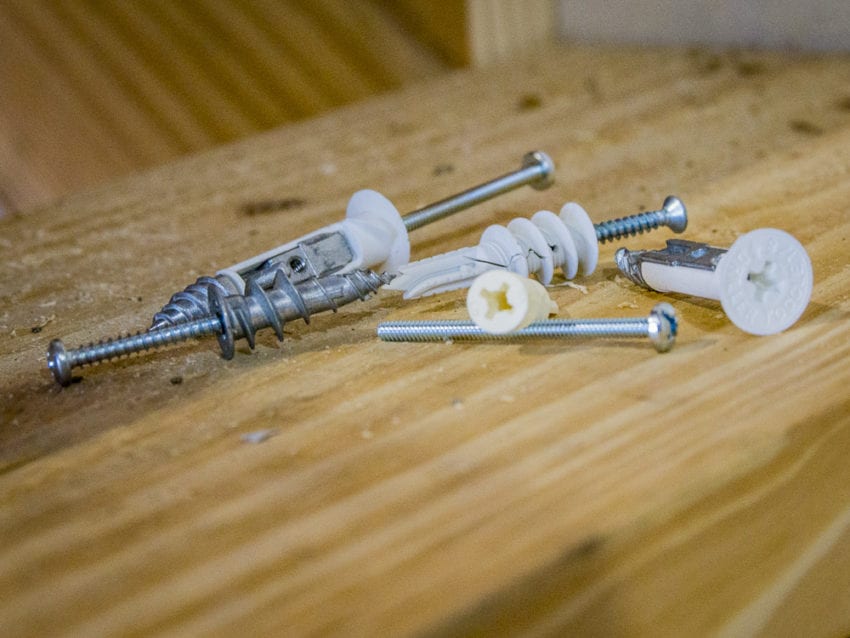
Types Of Threaded Wall Anchors
Preparing the wall is the first step to a strong hold with wall anchors that have threads. This stage ensures your anchor fits securely and supports weight well. Careful preparation prevents damage and keeps your wall looking good. Follow these simple steps to get started.
Choosing The Right Spot
Pick a spot free of pipes or wires. Avoid areas near corners or edges. The wall should be clean and dry. Look for a solid part of the wall like a stud or strong drywall. This choice helps the anchor hold better and last longer.
Marking The Drill Point
Use a pencil to mark the exact place to drill. Measure twice to be sure. Keep the mark small and clear. This helps guide the drill and keeps the hole in the right place. A precise mark leads to a secure fit for the anchor.
Drilling The Pilot Hole
Use a drill bit that matches the anchor size. Drill straight into the wall at the marked point. Go slow and steady to avoid cracking or damaging the wall. Clean the hole of dust and debris before inserting the anchor. A clean, well-made hole is key to a strong anchor hold.
Credit: www.protoolreviews.com
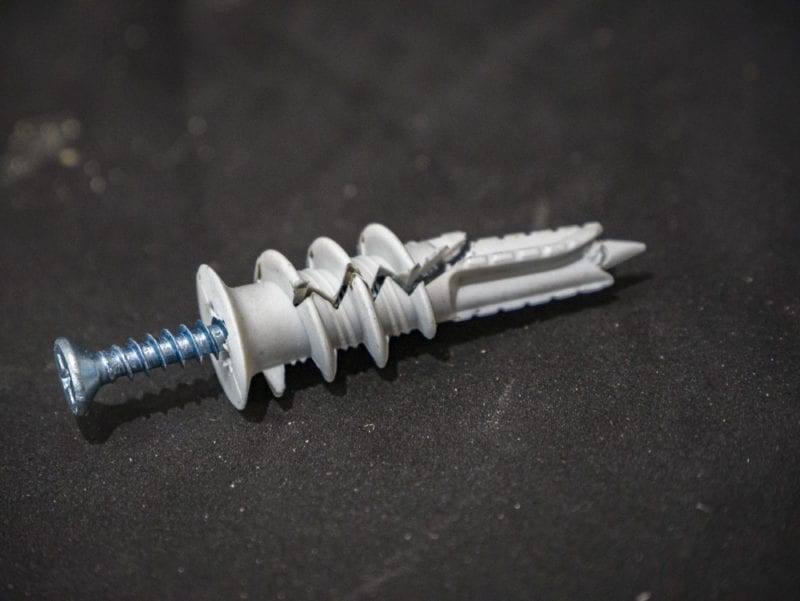
Tools Needed For Installation
Installing a threaded wall anchor is a simple way to secure objects on drywall or other hollow walls. The anchor provides a strong hold by expanding inside the wall when a screw is inserted. This method prevents damage and keeps items firmly in place.
Inserting The Anchor
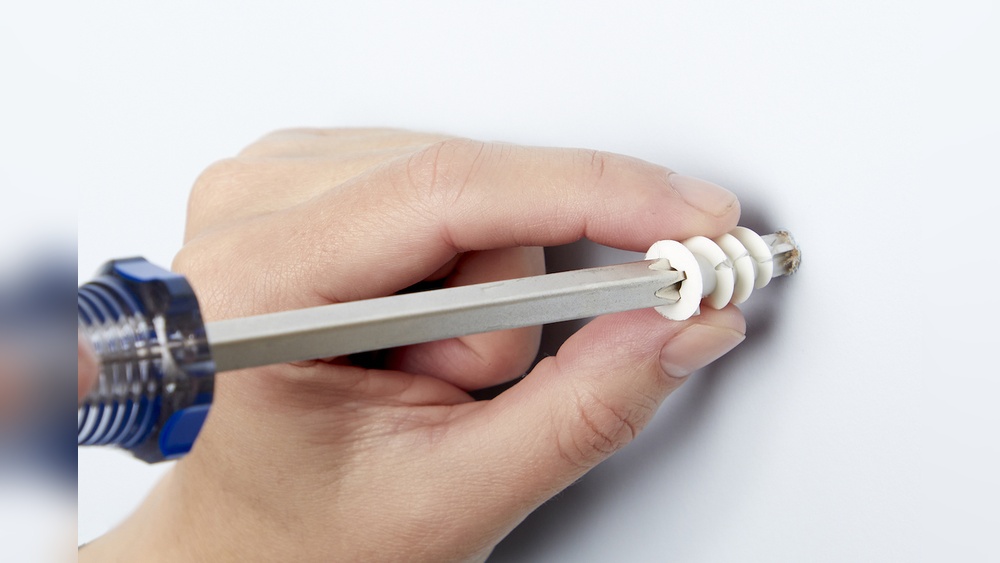
Start by drilling a small pilot hole in the wall. The hole should match the size of the anchor. Gently push the threaded anchor into the hole. Turn it clockwise by hand until it is flush with the wall surface. Avoid forcing the anchor to prevent damage.
Using A Screwdriver Or Drill
Use a screwdriver or a drill with a low-speed setting. Carefully turn the anchor to screw it in deeper if needed. The threads bite into the wall material for a secure grip. Stop once the anchor sits snugly against the wall.
Ensuring A Tight Fit
Check that the anchor does not wobble or move in the hole. It should feel firm and stable. Insert the screw slowly and tighten it to expand the anchor inside the wall. This expansion locks the anchor securely in place for strong support.
Preparing The Wall
Securing the screw properly is essential for a strong hold. It ensures the wall anchor works as intended. This step prevents the screw from loosening or pulling out under weight. Let’s explore how to secure the screw correctly.
Selecting The Correct Screw Size
Choose a screw that fits the anchor’s thread size. The screw should match the anchor’s diameter and length. A screw too small will not hold properly. Too large a screw may damage the anchor. Check the anchor package for recommended screw sizes.
Driving The Screw Into The Anchor
Insert the screw slowly into the anchor’s threaded hole. Use a screwdriver or drill at low speed. Tighten the screw until it feels snug but not forced. Over-tightening can strip the threads or break the anchor. Stop turning when the screw is secure and flush with the surface.
Checking For Stability
After installing, gently wiggle the screw to test its hold. The screw should feel firm and not move. If loose, remove and try a larger screw or reinsert the anchor. A stable screw means the anchor is gripping the wall properly. This step ensures your installation stays safe and strong.
Installing The Threaded Wall Anchor
Getting a strong hold with wall anchors that have threads is important. It keeps your items safe and steady. Follow these tips to make sure your anchors work well and last long.
Avoiding Over-tightening
Turn the screw slowly into the anchor. Stop once it feels tight. Over-tightening can break the anchor or damage the wall. Use a screwdriver that fits well. This helps control the force. A gentle but firm twist is enough.
Using Anchors For Different Wall Types
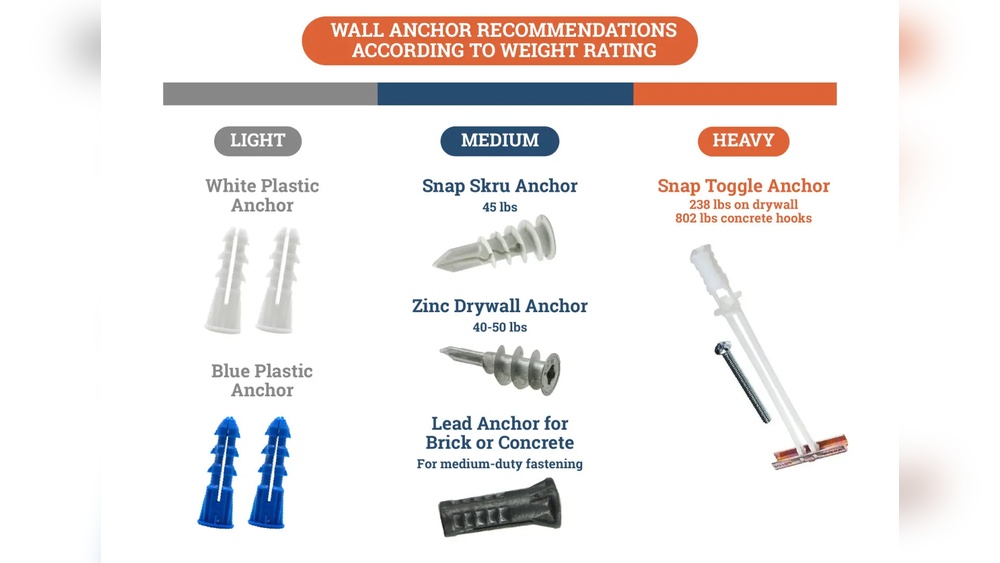
Choose the right anchor for your wall material. Drywall anchors are not good for brick or concrete. For heavy loads, use anchors made for solid walls. Light anchors work best in hollow walls. Match the anchor size to the screw size. This ensures a secure fit and strong hold.
Maintenance And Inspection
Check your wall anchors regularly. Look for signs of wear or loosening. Tighten screws if they feel loose, but avoid over-tightening. Replace damaged anchors immediately. This keeps your items safe and your walls intact.

Credit: www.bobvila.com
Frequently Asked Questions
What Tools Are Needed To Install Wall Anchors With Threads?
You need a drill, appropriate drill bit, screwdriver, and the threaded wall anchor. These tools ensure proper installation and secure hold.
How To Choose The Right Size For Threaded Wall Anchors?
Select anchors matching the screw size and wall thickness. Check manufacturer guidelines for weight limits and material compatibility.
Can I Install Threaded Wall Anchors In Drywall?
Yes, threaded anchors work well in drywall. They provide strong grip without needing extra support or backing.
How Deep Should I Drill For Threaded Wall Anchors?
Drill a hole slightly deeper than the anchor’s length. This allows the anchor to fit fully and securely.
Conclusion
Installing a wall anchor with threads is a simple task anyone can do. Follow the steps carefully for a strong hold. Use the right tools and check the wall type before starting. Take your time and avoid rushing the process.
Doing it right helps keep your items safe and secure. Practice makes the job easier next time. Now you have the confidence to install threaded wall anchors properly. A small effort leads to big results. Give it a try and see the difference yourself.