
Have you ever needed to ask for a deadbolt lock while traveling or shopping in a Spanish-speaking country? Knowing the right words can save you time and avoid confusion.
If you want to protect your home or simply communicate better, learning how to say “deadbolt lock” in Spanish is a smart move. You’ll discover the exact term, useful phrases, and tips to make your conversations smooth and clear. Keep reading to unlock the language secrets that make a big difference!

Credit: www.amazon.sa
Deadbolt Lock Basics
Understanding deadbolt locks is important for home security. These locks are stronger than regular locks. They use a solid metal bolt that slides into the door frame. This makes it harder for intruders to break in.
Deadbolt locks come in different styles. Each type offers unique benefits. Knowing these types helps you choose the right lock for your needs.
Types Of Deadbolt Locks
Single cylinder deadbolts use a key on the outside. They have a thumb turn on the inside. This type is common for homes and apartments.
Double cylinder deadbolts need a key on both sides. This provides extra security. It is good for doors with glass near the lock.
Lockable thumb turn deadbolts let you lock or unlock from inside. You can also lock the thumb turn with a key. This adds safety if small children live in the house.
Why Use A Deadbolt Lock
Deadbolts give better protection than standard locks. The metal bolt resists forced entry. This makes your home safer.
They are easy to use. You simply turn the key or thumb turn to lock or unlock. No complicated steps are needed.
Many insurance companies offer discounts for homes with deadbolt locks. This can save you money on home insurance.

Credit: mrmrsenglish.com
Spanish Terms For Deadbolt Lock
Using deadbolt lock terms in sentences helps you communicate clearly in Spanish. Knowing how to say and use these words makes conversations easier. This section shows examples of deadbolt lock terms in daily and technical talks.
Everyday Conversations
In everyday talks, “cerradura de pestillo” means deadbolt lock. For example, you can say, “La cerradura de pestillo está rota,” which means the deadbolt lock is broken. Another sentence is, “Por favor, cierra la puerta con la cerradura de pestillo,” meaning please lock the door with the deadbolt lock. These phrases help when discussing home safety or asking for help.
Technical Contexts
In technical talks, people use specific terms about deadbolt locks. For instance, “El mecanismo de la cerradura de pestillo es resistente,” means the deadbolt lock mechanism is strong. Another example is, “La instalación de la cerradura de pestillo requiere herramientas especiales,” which means installing the deadbolt lock needs special tools. These sentences are useful for locksmiths, builders, or security experts.
Using Deadbolt Lock Terms In Sentences
Understanding related security vocabulary in Spanish helps in better communication about home safety. It also makes buying or installing locks easier. Knowing these words builds confidence when discussing security with Spanish speakers.
Lock Types
There are many types of locks. A common one is the cerradura de pestillo, which means deadbolt lock. Another is cerradura de pomo, or knob lock. The cerradura de combinación means combination lock. A cerradura electrónica is an electronic lock. Each type has a unique use and level of security.
Security Devices
Besides locks, many security devices exist. A alarma de seguridad is a security alarm. The cámara de vigilancia means surveillance camera. A sensor de movimiento is a motion sensor. The cerrojo is another word for bolt or latch. These devices help protect homes and businesses.
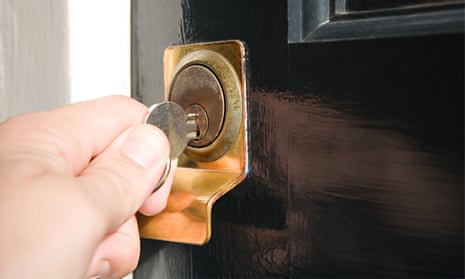
Credit: www.theguardian.com
Related Security Vocabulary In Spanish
Learning lock terminology in Spanish helps you communicate clearly. It makes buying and installing locks easier. Knowing the right words avoids confusion. Use simple methods to learn and remember terms. Practice often and use helpful tools.
Practice Techniques
Repeat new words out loud every day. Write the words and their meanings on flashcards. Test yourself by matching Spanish words with English ones. Use the words in sentences about locks and doors. Talk about locks with friends or language partners.
Label objects at home with their Spanish names. This helps you remember terms like “cerradura” or “cerrojo.” Practice listening by watching videos about locks in Spanish. Try to understand and repeat the key vocabulary.
Useful Resources
Use online dictionaries to check lock-related words. Find Spanish learning apps that focus on home and security topics. Watch tutorials or DIY videos about locks in Spanish. Read simple articles or blogs about locks and home safety.
Join online forums or groups where people discuss locks in Spanish. Use language exchange websites to practice with native speakers. These resources make learning easier and more fun.
Frequently Asked Questions
What Is The Spanish Term For Deadbolt Lock?
The Spanish term for deadbolt lock is “cerradura de pestillo. ” It directly translates to a lock with a bolt or latch. This term is commonly used in Spanish-speaking countries for secure door locks.
How Do You Pronounce Deadbolt Lock In Spanish?
You pronounce “cerradura de pestillo” as seh-rah-DOO-rah deh pes-TEE-yoh. Each word is spoken clearly, with stress on the capitalized syllables. Practicing this helps in clear communication about locks in Spanish.
Are There Different Types Of Deadbolt Locks In Spanish?
Yes, in Spanish, deadbolt locks can be referred to with variations like “cerrojo” or “cerradura de seguridad. ” These terms highlight different styles or security levels of locks. Knowing these helps in choosing the right lock.
Can I Use “deadbolt” Alone In Spanish Conversation?
Using “deadbolt” alone in Spanish is uncommon. It’s better to say “cerradura de pestillo” to ensure clarity. Native speakers typically use the full phrase when discussing locks.
Conclusion
Knowing how to say “deadbolt lock” in Spanish helps in many situations. It makes asking for help or buying locks easier. People can feel safer by using the right words. Learning simple terms like this builds confidence in language skills.
Small steps lead to better communication every day. Keep practicing new words and phrases often. Language learning is a useful and practical skill. It opens doors to new places and friendships. Remember, clear and simple words work best. Keep exploring and enjoy your language journey.


