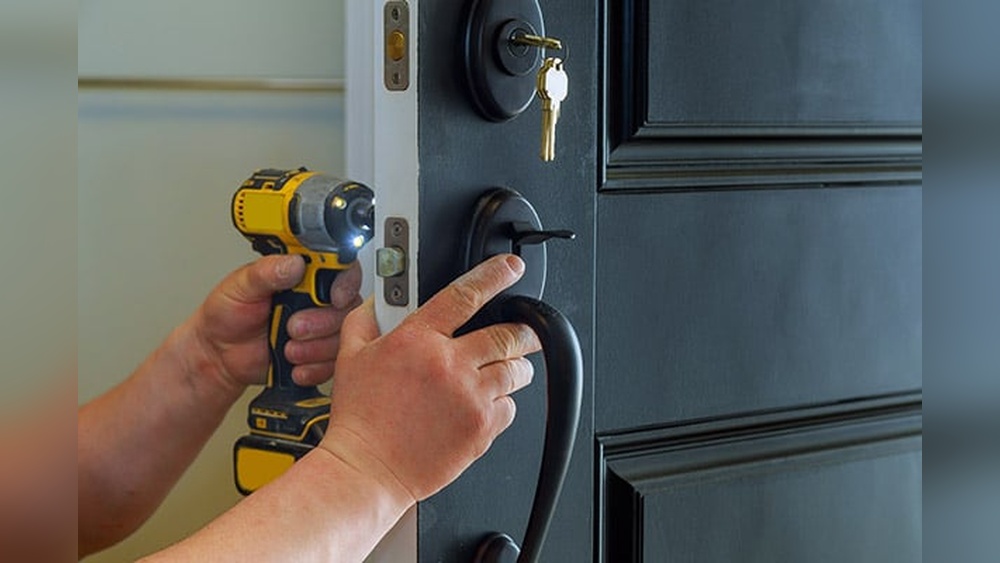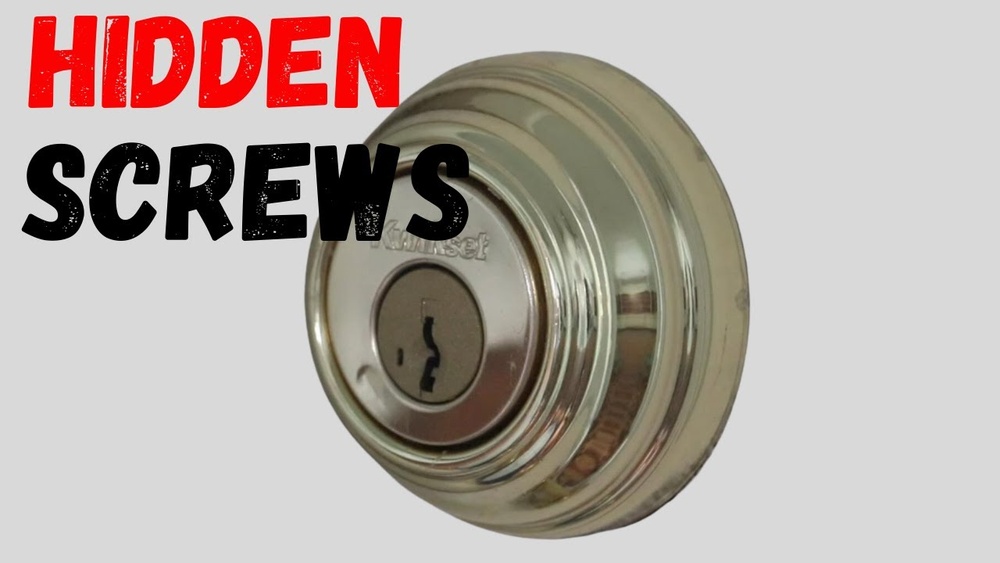
Have you ever faced the frustrating task of removing a deadbolt from your door, only to realize there are no visible screws? It can feel like a puzzle with no clear solution, leaving you stuck and unsure of what to do next.
But don’t worry—removing a deadbolt without screws is easier than you think. In this guide, you’ll discover simple, step-by-step methods to get the job done quickly and safely. Keep reading, and you’ll have that stubborn deadbolt off your door in no time.

Credit: diy.stackexchange.com
Tools Needed
Removing a deadbolt without screws needs the right tools. Having these tools ready makes the task easier and safer. Each tool serves a special purpose during removal.
Prepare the tools before starting. This saves time and avoids frustration. Use tools that fit well and work smoothly.
Flathead Screwdriver
A flathead screwdriver helps pry off covers and plates gently. It fits into small gaps to lift parts without damage. Choose one with a comfortable handle for better control.
Putty Knife
A putty knife slides between the door and lock parts. It helps loosen glued or stuck pieces. Its thin blade reaches tight spaces without scratching the door.
Allen Wrench
Some deadbolts use hidden hex screws. An Allen wrench fits these screws perfectly. It provides a strong grip to turn and remove them.
Rubber Mallet
A rubber mallet taps parts gently without causing dents. Use it to loosen stuck components carefully. Its soft head protects the door’s surface.
Needle-nose Pliers
Needle-nose pliers grab small parts or pins inside the lock. They help pull out pieces that are hard to reach by hand. Their slim shape fits narrow spaces easily.
Identify Deadbolt Type
Removing a deadbolt without screws starts with knowing its type. Deadbolts come in different shapes and designs. Each type has a unique way of attachment and removal.
Understanding the deadbolt type helps avoid damage. It also makes the removal process faster and easier.
Single Cylinder Deadbolt
This deadbolt has a keyhole on one side and a thumb turn on the other. It is the most common type for residential doors. Usually, the inside thumb turn is easy to remove without screws.
Check if the thumb turn can be pulled out or twisted off. This can reveal how to access the inner mechanism.
Double Cylinder Deadbolt
Both sides have keyholes in this deadbolt type. It offers more security but is harder to remove without screws. Look for a small slot or hole near the keyhole.
Sometimes, a special tool or a pin can release the lock from this slot. Identifying this feature is key to removal.
Keyless Deadbolt
This deadbolt uses a keypad or electronic lock. It often has no visible screws on the outside. The battery cover or keypad panel may snap off or slide open.
Look closely for seams or edges around the lock. These may hide clips or tabs holding the unit in place.
Accessing The Deadbolt Mechanism
Accessing the deadbolt mechanism without screws can be tricky. Most deadbolts hide their parts well. You need to find the way inside to remove it. This step is important to take the lock apart safely. Follow these simple steps to reach the deadbolt mechanism.
Removing Door Handles Or Knobs
Start by checking the door handles or knobs. Sometimes, they cover the deadbolt parts. Look for small holes or slots on the handle. Use a thin tool like a flathead screwdriver or a paperclip. Press gently inside the hole to release the handle. Pull the handle or knob away from the door. This will expose the area around the deadbolt.
Locating Hidden Clips Or Tabs
Look closely around the deadbolt for hidden clips or tabs. These pieces hold the lock in place without screws. They may be under the faceplate or inside the handle area. Use a flashlight for better view. Press or slide the clips carefully to unlock the parts. This will allow you to pull the deadbolt mechanism out.
Using Alternative Removal Techniques
Removing a deadbolt without screws can seem tough. The usual way is to unscrew the lock, but sometimes screws are missing or hidden. Alternative techniques help get the deadbolt off safely. These methods use simple tools you might have at home. They need a bit of care and patience. The goal is to gently separate the lock parts without breaking the door.
Prying With A Flathead Screwdriver
A flathead screwdriver can work as a lever. Slide it gently between the door and the deadbolt plate. Push slowly to create space. Do not force too hard to avoid damage. Move the screwdriver around the edges to loosen the lock. This method helps to lift the lock off if screws are missing. Take your time for better results.
Using A Credit Card Or Similar Tool
A credit card or plastic card can slide in tight spots. Insert the card between the door and the deadbolt latch. Wiggle the card while pushing the latch back. This action can release the lock from the frame. Use a flexible, strong card for best results. Avoid metal cards to prevent scratching the door. This technique works well on spring-loaded locks.
Disengaging The Lock Cylinder
Disengaging the lock cylinder is a key step in removing a deadbolt without screws. The lock cylinder holds the key mechanism. Removing it allows access to the internal parts of the deadbolt.
This process requires care to avoid damaging the door or lock. Understanding how the cylinder fits and works helps to remove it safely. Use simple tools and follow clear steps.
Locate The Cylinder Retaining Clip
Start by finding the retaining clip on the lock cylinder. This small clip holds the cylinder in place. It usually sits in a groove around the cylinder body.
Use a flathead screwdriver or needle-nose pliers to gently pry the clip out. Removing the clip releases the cylinder from the deadbolt assembly.
Turn The Key To Align The Cylinder
Insert the key and turn it slightly. This aligns the internal pins and allows the cylinder to slide out smoothly. Do not force it.
Keep the key in this position while pulling the cylinder. This step prevents damage and eases removal.
Pull Out The Lock Cylinder
Grip the cylinder firmly. Slowly pull it straight out of the door. If it resists, wiggle it gently while pulling.
Removing the cylinder exposes the deadbolt’s internal parts. Now, you can continue to disassemble or replace the lock.
Removing Deadbolt From The Door Edge
Removing a deadbolt from the door edge can seem tricky without screws. The door edge is the side part where the latch fits into the door frame. This part holds the deadbolt in place inside the door.
Understanding the door edge helps you remove the deadbolt carefully. You need to work gently to avoid damage to the door. Follow simple steps to take out the deadbolt even if no screws are visible.
Locate The Deadbolt Faceplate On The Door Edge
First, find the faceplate on the door edge. It is a metal plate covering the deadbolt latch. The faceplate usually has small holes or slots. Check these openings closely for any hidden fasteners.
Use A Flat Tool To Pry The Faceplate Gently
Insert a flat tool like a flathead screwdriver under the faceplate edge. Push carefully to lift the plate away from the door edge. Do this slowly to avoid scratching the door or bending the plate.
Slide The Deadbolt Mechanism Out From The Door Edge
Once the faceplate is loose, try sliding the deadbolt mechanism out. Hold the door firmly and pull the latch straight from the door edge. If it does not move easily, check for hidden clips or tabs inside.
Handling Stuck Or Jammed Deadbolts
Deadbolts can get stuck or jammed over time. Dirt, rust, or wear may cause this problem. Handling a stuck deadbolt needs care and the right method. Using force can damage the lock or door. Here are simple ways to fix a jammed deadbolt without screws.
Applying Lubricants
Lubricants help loosen stuck parts inside the deadbolt. Use a graphite spray or silicone-based lubricant. Avoid oil-based sprays as they attract dust and dirt. Spray the lubricant into the keyhole and around the bolt. Let it sit for a few minutes. Then, try moving the deadbolt back and forth gently. Repeat if the bolt still feels stiff.
Tapping Gently With A Hammer
Light tapping can free stuck parts inside the lock. Use a small hammer or a rubber mallet for this step. Tap gently on the deadbolt’s face or the keyhole area. Do not hit hard to avoid damage. Tap in short bursts and test the deadbolt after each tap. This method helps shake loose any debris or rust.

Credit: www.youtube.com
Safety Tips During Removal
Removing a deadbolt without screws can be tricky. Safety is the top priority during this task. Small tools and tight spaces require care. Protect yourself and your door to avoid damage.
Wear Protective Gloves
Gloves protect your hands from sharp edges. Deadbolts may have rough metal parts. Gloves also improve grip on tools and parts. This helps prevent slips and cuts.
Use Proper Tools
Choose the right tools for the job. Avoid makeshift tools that can break or slip. A flathead screwdriver or pry bar works well. Using the correct tools makes removal safer and easier.
Work Slowly And Carefully
Rushing can cause injury or damage. Take your time to avoid mistakes. Apply gentle pressure to prevent breaking the door or lock. Slow work ensures better control.
Protect The Door Surface
Place a cloth or tape around the deadbolt area. This prevents scratches or dents during removal. Protecting the door keeps it looking good after the job. It also helps avoid costly repairs.
Keep Children And Pets Away
Small tools and parts can be dangerous for children and pets. Keep the area clear to avoid accidents. Focus on the task without distractions for safer work.
When To Call A Professional
Removing a deadbolt without screws can be tricky. Call a professional if the lock is stuck or parts seem damaged. Experts have the right tools and skills for safe removal.
Signs Of A Stuck Or Damaged Deadbolt
Deadbolts without screws can be tricky to remove. If the lock feels stuck or won’t turn, it may be damaged. Forcing it could break the door or lock. A professional locksmith has the right tools to handle this safely.
Lack Of Proper Tools Or Experience
Removing a deadbolt without screws often needs special tools. Without these, you might damage the door or lock. Professionals have experience and tools to remove deadbolts cleanly. Calling them saves time and avoids frustration.
When The Door Or Lock Shows Signs Of Damage
Cracks, splinters, or loose parts around the deadbolt need careful handling. Damage can worsen if you try to remove the lock yourself. Experts know how to fix or replace damaged parts without harming the door.
Complex Or High-security Locks
Some deadbolts have complex designs or extra security features. These locks are harder to remove without screws. Professionals understand how to work with these locks safely and correctly. This prevents damage and keeps your home secure.

Credit: diy.stackexchange.com
Frequently Asked Questions
How Do I Remove A Deadbolt Without Screws?
To remove a deadbolt without screws, first check for hidden clips or pins. Use a flathead screwdriver to gently pry them. Then, twist or slide the lock mechanism off carefully to avoid damage.
Can I Remove A Deadbolt With A Drill Instead?
Using a drill is possible but not recommended. It can damage the door and lock. Try manual methods like prying clips or using lock removal tools first.
What Tools Help Remove A Deadbolt Without Screws?
Helpful tools include a flathead screwdriver, pliers, and a small pry bar. These help loosen clips or pins holding the deadbolt. Avoid excessive force to prevent damage.
Is It Safe To Remove A Deadbolt Without Screws?
Yes, if done carefully. Avoid damaging the door or lock components. Removing the deadbolt properly ensures door security remains intact after reinstallation.
Conclusion
Removing a deadbolt without screws can be simple and quick. Use basic tools like a flathead screwdriver or a putty knife. Gently pry or slide to loosen the lock from the door. Take your time to avoid damage. This method works well for older locks or stuck screws.
Always stay calm and patient during the process. You can handle this task with ease and confidence. Now, your door is ready for a new lock or repair. Try these steps next time you face a similar problem.