Hanging hooks on your wall is a simple way to keep your space organized and stylish. But what if you don’t want to drill holes and damage your walls?
You’re not alone. Many people struggle with this problem, especially if you’re renting or just want a quick fix. The good news is, there are easy and effective ways to hang hooks without drilling. You’ll discover practical tips and tricks that save your walls while still giving you the function and look you want.
Keep reading, and you’ll find the perfect solution for your space—no tools or mess required.
Choose The Right Hook
Choosing the right hook is key to hanging items without making holes in your walls. The right hook holds your items securely and protects your wall from damage. Different hooks work best for different surfaces and weights. Picking the correct one makes your hanging easy and safe.
Types Of Hooks For Damage-free Hanging
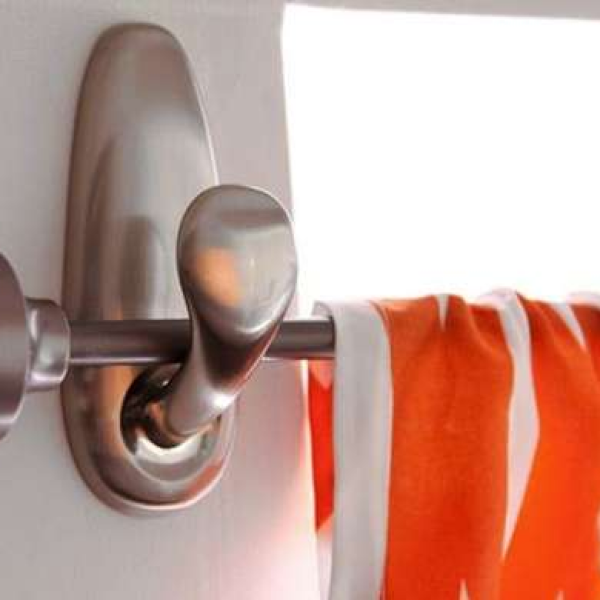
There are many hooks designed to hang items without drilling. Adhesive hooks stick to smooth surfaces like glass, tile, or painted walls. They come off cleanly without leaving marks. Command hooks are popular for their strong hold and easy removal. Suction cup hooks use vacuum power and work well on glass or tiles. Magnetic hooks attach to metal surfaces without glue or nails. Choose a hook type based on your wall material and item type.
Weight Capacity And Wall Compatibility
Check the weight capacity before buying a hook. Each hook can hold only a certain weight safely. Light hooks hold under 5 pounds, while heavy-duty hooks support up to 20 pounds or more. Match the hook’s weight limit with the item you want to hang. Also, consider the wall surface. Some hooks do not stick well on rough or textured walls. Smooth surfaces give the best hold. Use hooks designed for your wall type to avoid damage or falling items.
Credit: blog.kwikhang.com
Use Adhesive Hooks
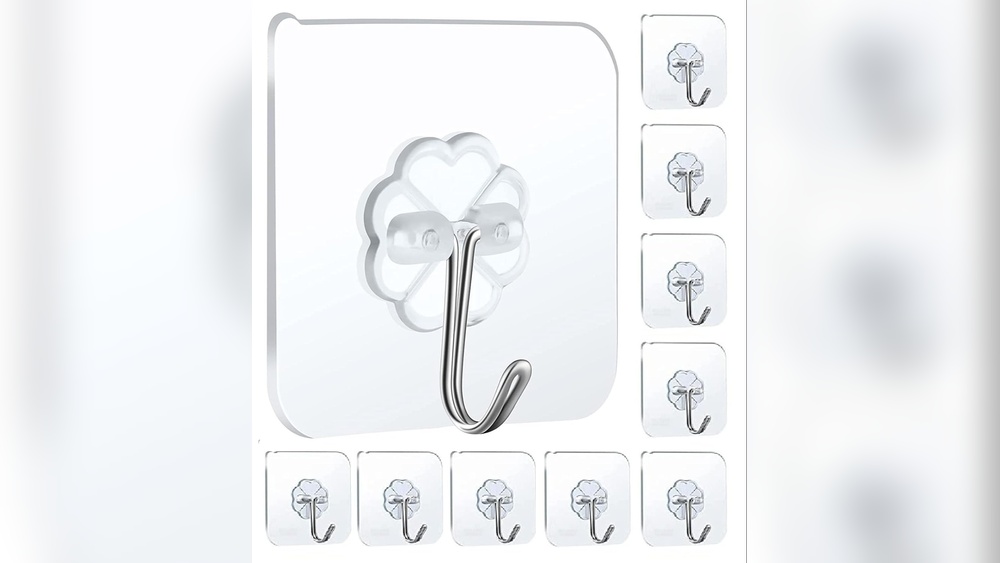
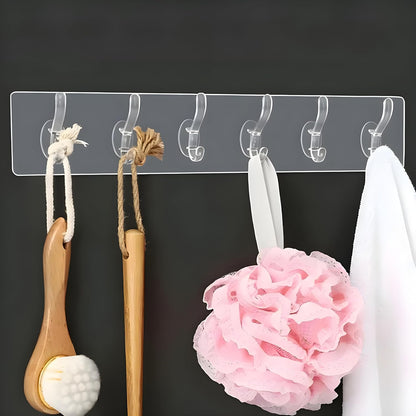
Adhesive hooks offer a simple way to hang items without making holes in your walls. They stick firmly and can hold a surprising amount of weight. These hooks come in many sizes and styles, fitting different needs. Using them saves time and keeps walls clean.
Selecting Strong Adhesive Hooks
Choose hooks made for the weight of your item. Read the package to check the weight limit. Pick hooks with good reviews for strength and durability. Avoid cheap hooks that might fall off easily. Clear or white hooks blend well with most walls.
Proper Surface Preparation
Clean the wall surface before applying the hook. Use rubbing alcohol to remove dirt and grease. Do not use water or cleaning sprays. Let the surface dry completely. Avoid rough or uneven walls for better adhesion.
Step-by-step Application Guide
Peel off the backing from the adhesive strip. Press the hook firmly against the wall. Hold it in place for about 30 seconds. Wait at least one hour before hanging anything. This wait lets the adhesive bond well with the surface.
Try Command Strips
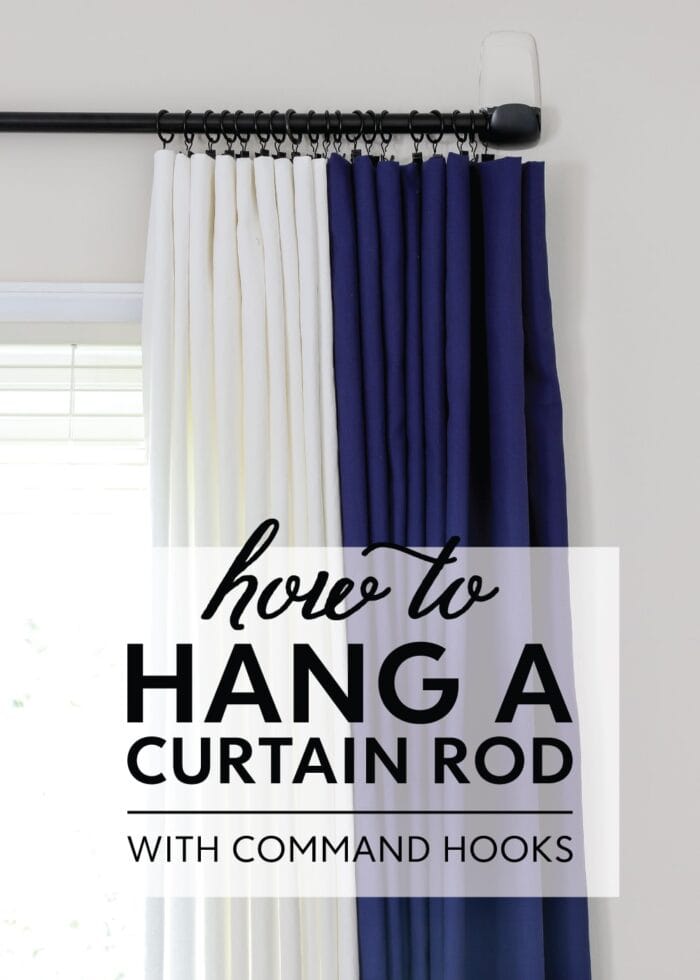
Try Command Strips to hang hooks without drilling holes in your wall. These strips stick firmly and hold weight well. They work on many surfaces like painted walls, tiles, and wood. Command Strips let you hang items safely and neatly.
Benefits Of Command Strips
Command Strips do not damage your wall. They are easy to use and remove. You can hang hooks without leaving holes or marks. They hold strong and support different weights. No tools or drills are needed for installation. Great for renters and those who want to avoid wall damage.
Installation Tips
Clean the wall surface with rubbing alcohol. Let it dry completely before applying strips. Press the strip firmly on the wall for 30 seconds. Attach the hook to the strip and press again. Wait one hour before hanging anything. Follow package instructions for best results.
Removal Without Damage
To remove, gently pull the strip’s tab straight down. Pull slowly to stretch the strip and release it. This process prevents wall damage or paint removal. No tools are needed for removal. You can reuse the hook with new strips later.
Credit: thehomesihavemade.com
Magnetic Hooks For Metal Surfaces
Magnetic hooks offer a simple way to hang items without making holes in walls. They stick firmly to metal surfaces using strong magnets. This makes them perfect for temporary or damage-free hanging. You can use magnetic hooks in kitchens, garages, or offices where metal surfaces are common.
These hooks hold various items like keys, tools, or decorations. They save time and effort as no drilling or nails are needed. Magnetic hooks also come in different sizes and weight capacities. Choosing the right one ensures your items stay secure and organized.
Best Magnetic Hook Options
Look for hooks with strong neodymium magnets. These magnets provide excellent grip on metal surfaces. Plastic or rubber coating on hooks prevents scratches on walls. Some hooks have rotating heads for flexible hanging angles. Weight capacity varies, so pick hooks that fit your needs. Small hooks work well for keys or light tools. Larger hooks hold heavier objects like bags or pans.
Suitable Metal Surfaces
Magnetic hooks work best on smooth, clean metal surfaces. Steel doors, refrigerators, and metal shelves are ideal spots. Avoid rough or painted metals, as magnets may not stick well. Stainless steel works if it contains enough iron. Aluminum or copper surfaces do not attract magnets. Check surface cleanliness to ensure strong magnetic hold. Wipe off dust or grease before attaching hooks.
Use Tension Rods Or Poles
Tension rods or poles offer a simple way to hang items without drilling holes. They use pressure to stay in place between two surfaces. This makes them perfect for renters or anyone avoiding wall damage.
These rods come in different lengths and styles. You can find ones made of metal, plastic, or wood. They hold lightweight items like curtains, towels, or decorations securely.
Ideal Locations For Tension Rods
Use tension rods in narrow spaces between walls or inside door frames. Bathrooms and kitchens work well for hanging towels or small shelves. Closet areas also benefit from tension rods for extra hanging space.
Window frames provide good spots for tension rods to hold curtains. Small rooms with limited wall space can use tension rods for organization. They fit well in apartments or dorm rooms where drilling is not allowed.
How To Install And Hang Items
Measure the space where the rod will go to pick the right size. Twist or adjust the rod to fit tightly between the two surfaces. Make sure it is secure by applying gentle pressure.
Hang lightweight items like fabric, baskets, or small hooks on the rod. Avoid heavy objects that could cause the rod to slip or fall. Check the rod often to ensure it stays firm and safe.
Credit: vixencomposites.com
Utilize Over-the-door Hooks
Over-the-door hooks offer a simple way to hang items without making holes. They fit over the top of a door and provide a hook on the other side. This method keeps walls intact and saves time. Over-the-door hooks work great for towels, bags, coats, and more. They are easy to install and remove.
Choosing The Right Over-the-door Hook
Select hooks that fit your door thickness. Some hooks suit thin doors, others thicker ones. Check the hook material; metal hooks are strong and durable. Plastic hooks work well for light items. Pick hooks with smooth edges to avoid door damage. Choose designs that match your room style.
Weight Limits And Door Types
Know the weight your hook can hold. Most over-the-door hooks support between 5 to 20 pounds. Heavier items need stronger hooks. Consider the door type too. Hollow doors may not support heavy hooks well. Solid wood doors hold more weight safely. Avoid hooks on doors with glass or delicate finishes.
Temporary Putty Or Adhesive Tack
Temporary putty or adhesive tack offers a simple way to hang items without drilling holes. This sticky substance holds lightweight objects firmly on walls. It leaves no marks or damage after removal. Many people use it for posters, photos, and small decorations.
This solution works best on smooth, clean surfaces. It is easy to apply and remove. The putty can be reused several times. It is an affordable and convenient option for renters or those who change their wall decor often.
When To Use Putty
Use putty for lightweight objects under 1 pound. Perfect for paper, cardboard, or thin plastic items. Ideal for temporary displays or seasonal decorations. Avoid heavy frames or items with sharp edges. Not suitable for textured or rough walls. Great for dorm rooms, offices, and rental homes.
Application And Removal Tips
Clean the wall surface before applying putty. Tear a small piece and knead it until soft. Press putty firmly on the item’s back. Then press the item against the wall for a secure hold. To remove, gently pull the item away. Roll any leftover putty off the wall with your fingers. Store unused putty in an airtight container for reuse.
Precautions For Damage-free Hanging
Hanging hooks without drilling keeps walls safe from holes and marks. But it needs care to avoid damage. Taking simple steps helps keep your walls clean and your items secure. Follow these precautions for damage-free hanging.
Avoiding Surface Damage
Choose hooks made for your wall type. Use adhesive hooks with gentle glue for painted walls. Avoid strong adhesives on wallpaper or delicate surfaces. Clean the wall before applying hooks. Dirt or dust weakens the grip. Remove hooks slowly to stop paint peeling.
Checking Weight Limits
Check the weight the hook can hold. Do not hang heavy items on light hooks. Overloading causes hooks to fall and damage walls. Use multiple hooks for heavier objects. Always stay within the hook’s weight limit for safety.
Regular Maintenance
Inspect hooks often to ensure they stay secure. Replace hooks showing signs of wear or loosening. Clean hooks and wall areas regularly to keep adhesive strong. Proper maintenance keeps hooks reliable and walls intact.
Frequently Asked Questions
What Are The Best Hooks For Walls Without Drilling?
Adhesive hooks, suction hooks, and magnetic hooks work best without drilling. They hold lightweight to medium items effectively. Choose hooks with strong adhesive for durability and easy removal.
How To Prepare Wall Surface For Non-drilling Hooks?
Clean the wall with rubbing alcohol to remove dust and grease. Dry completely before applying hooks. Smooth, flat surfaces like tiles or painted drywall work best for strong adhesion.
Can Non-drilling Hooks Hold Heavy Items Securely?
Most non-drilling hooks support light to medium weights, typically up to 5-10 pounds. For heavier items, use multiple hooks or specialized heavy-duty adhesive hooks designed for strong support.
Are Non-drilling Hooks Reusable And Damage-free?
Many adhesive hooks can be removed without damage if pulled carefully. Some are reusable with new adhesive strips. Avoid using on delicate or textured surfaces to prevent wall damage.
Conclusion
Hanging hooks without drilling keeps walls safe and neat. Use strong adhesives or special strips for easy hanging. These options save time and avoid damage. Perfect for renters or anyone avoiding holes. Try different methods to find what works best.
Enjoy a tidy space without any mess. Simple steps make your wall look great. No tools needed, just stick and hang. Keep your home organized with no fuss. Easy, quick, and damage-free solutions await you.