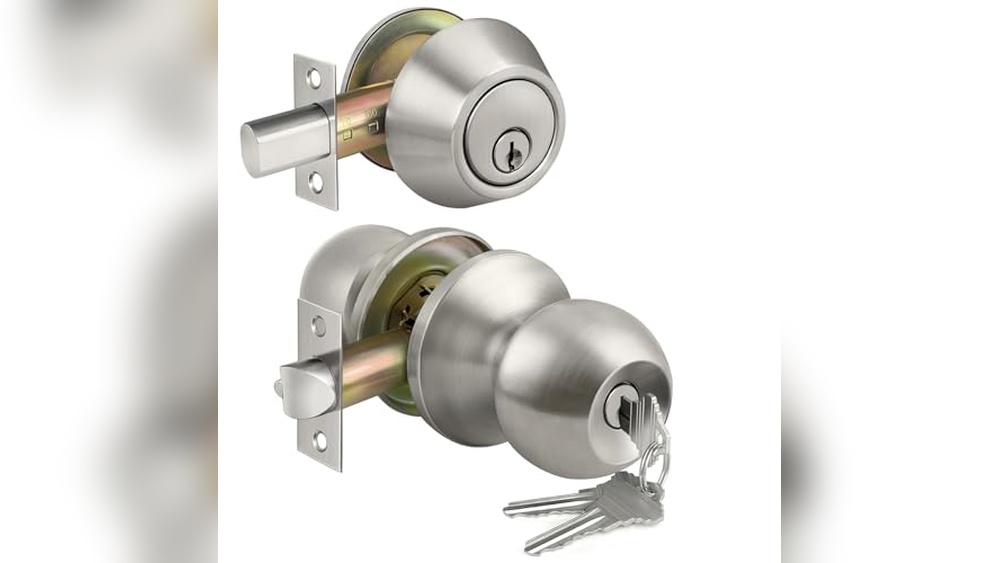
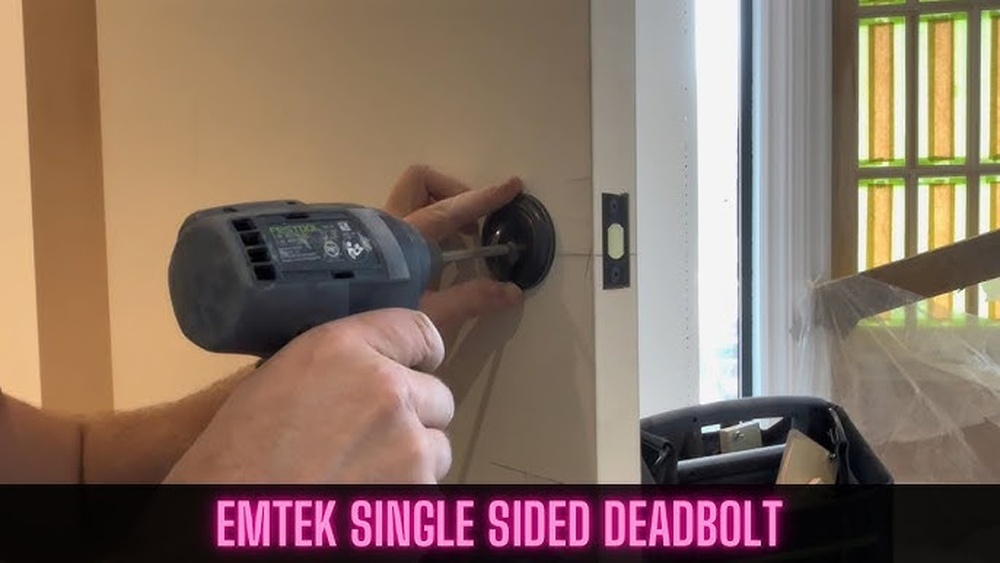
Have you ever wondered what to do if you lose your keys or move into a new home? Getting your deadbolt rekeyed is a smart way to keep your home secure without replacing the entire lock.
But how do you get your deadbolt rekeyed quickly and safely? You’ll discover simple steps to rekey your deadbolt, save money, and protect what matters most to you. Keep reading to learn how easy it is to take control of your home’s security today.
Credit: www.gvlock.com
Why Rekey Your Deadbolt
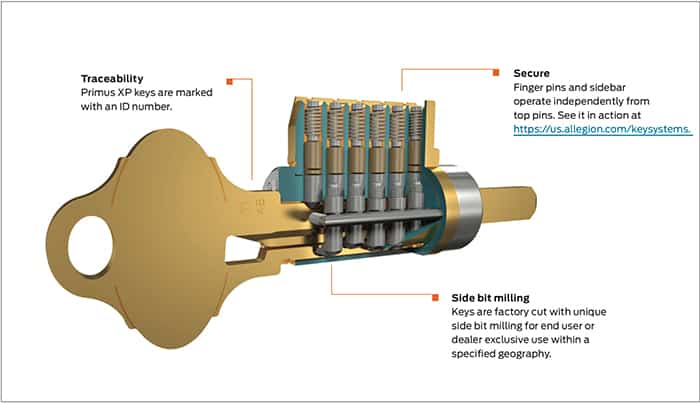
Rekeying your deadbolt changes the internal pins so old keys no longer work. It keeps your home secure without replacing the entire lock. This process is quick and cost-effective.
Many people do not realize the benefits of rekeying. It is a smart choice to protect your home after key loss or moving in.
When Rekeying Is Necessary
Rekeying is needed after losing your keys. It stops anyone with old keys from entering.
It is also important when moving to a new home. Previous owners or tenants may still have keys.
Rekeying helps after a break-in or if keys were stolen. It restores your peace of mind quickly.
Benefits Of Rekeying Vs. Replacing
Rekeying costs less than replacing the entire lock. It saves money on hardware and installation.
The process takes less time. You can get it done in under an hour.
Rekeying keeps your current lock’s quality. No need to worry about new lock malfunctions.
It allows you to use one key for multiple locks. This adds convenience and reduces key clutter.

Credit: www.youtube.com
Tools Needed For Rekeying
Rekeying a deadbolt requires the right tools to work safely and correctly. Having the proper tools makes the process easier and faster. Without them, you may struggle or damage the lock. Preparing these tools ahead saves time and avoids frustration.
Essential Tools List
Start with a rekeying kit designed for your lock brand. This kit usually includes new pins, a key gauge, and a plug follower. You also need a screwdriver to remove the lock from the door. A tweezers or needle-nose pliers help handle tiny pins inside the lock. A key blank may be necessary if you want new keys. A small hammer can assist in some steps but use it carefully. A clean workspace with good light is important for seeing small parts clearly.
Where To Get A Rekeying Kit
Hardware stores often carry rekeying kits for popular deadbolt brands. Home improvement stores stock these kits in the lock or door hardware section. Online shops offer a wide selection and can deliver kits to your door. Check the lock brand and model before buying a kit to ensure compatibility. Some locksmiths sell rekeying kits and may offer advice on using them. Buying from a trusted source ensures the parts fit your lock perfectly.
Preparing The Deadbolt
Preparing the deadbolt is an important first step in rekeying your lock. It helps you understand the parts and makes the process easier. Start with careful work. Take your time and follow each step carefully. This sets a good base for the rekeying task.
Removing The Deadbolt From The Door
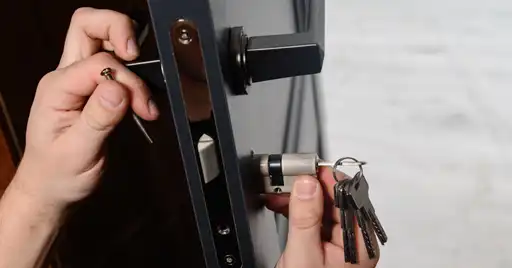
Begin by opening the door fully. Locate the screws on the inside face of the deadbolt. Use a screwdriver to remove these screws. Keep the screws safe for later. Gently pull the inside part of the deadbolt away from the door. Then, remove the outside part of the deadbolt. The deadbolt should now be free from the door. Work slowly to avoid damage to the door or lock.
Inspecting The Lock Mechanism
Look closely at the lock parts you removed. Check for any dirt or damage inside the mechanism. Clean out dust or debris with a soft cloth. Notice how the pins and springs sit inside the cylinder. Understanding this helps when changing the key pins. Make sure everything moves smoothly. If parts seem broken, consider replacing them before rekeying.
Credit: afchomeclub.com
Step-by-step Rekeying Process
Rekeying a deadbolt is a simple task that anyone can do with the right tools. This process changes the lock so only a new key will work. It saves money and keeps your home safe. Follow these steps carefully to rekey your deadbolt.
Removing Old Pins
First, remove the lock cylinder from the deadbolt. Use a screwdriver to take out screws holding it. Pull out the cylinder carefully to avoid damage. Next, use a key follower tool to push old pins out. These pins match the old key and must be removed.
Inserting New Pins
Match new pins to the cuts on your new key. Insert each pin into the cylinder slots one by one. Make sure each pin fits perfectly with the new key’s cuts. This step ensures the lock works only with your new key.
Testing The New Key
Put the cylinder back into the lock. Turn the new key to check if it moves smoothly. Test the deadbolt several times to confirm it locks and unlocks easily. If it sticks, remove the cylinder and adjust the pins again.
Troubleshooting Common Issues
Rekeying a deadbolt can sometimes bring up small problems. These issues can stop the lock from working correctly. Knowing how to fix these troubles helps save time and effort. Here are common problems and ways to solve them.
Key Won’t Turn
A key that won’t turn is a frequent problem after rekeying. Dirt or dust inside the lock may block the pins. Try spraying a small amount of lubricant into the keyhole. Use graphite powder or a lock-specific spray for best results. Avoid oil sprays as they can attract dirt.
Check if the key is fully inserted. Sometimes, a partially inserted key won’t turn. Gently wiggle the key while trying to turn it. If the key still won’t turn, the lock might not be rekeyed properly.
Lock Sticking
A sticking lock feels hard to turn or move. This often happens when parts inside the lock are dirty or dry. Clean the lock cylinder and apply lubricant. Use a light spray and avoid excess liquid. Turn the key several times to spread the lubricant evenly.
Check the deadbolt alignment with the strike plate on the door frame. Misalignment causes sticking and makes the lock hard to use. Adjust the strike plate if needed for smooth operation.
Pins Not Aligning
Pin misalignment is a common cause of key and lock issues. During rekeying, pins must match the new key’s cuts. Wrong pins stop the key from turning. If pins don’t line up, the lock won’t work.
Try removing the lock cylinder and rechecking the pin setup. Use the correct pin sizes for your key. This step might need a locksmith’s help if you are not sure. Proper pin alignment ensures smooth key turns and secure locking.
When To Call A Professional
Knowing when to call a professional locksmith is key to rekeying your deadbolt safely and correctly. Some situations need expert skills and tools. Trying to fix these yourself might cause more damage or waste time. Professionals ensure your lock works well and keeps your home secure.
Complex Lock Types
Some deadbolts have complicated designs. These locks need special tools and knowledge. A professional locksmith understands different lock brands and models. They can rekey complex locks without mistakes. Avoid trying to rekey these yourself to prevent damage.
Damaged Deadbolts
If your deadbolt is broken or worn out, rekeying may be tricky. Damage can cause parts to jam or break during rekeying. A professional can assess the lock’s condition first. They can decide if repair or replacement is better than rekeying.
Time And Safety Concerns
Rekeying locks takes time and care. Lack of experience can slow the process or cause errors. Professionals work fast and ensure your lock is secure. They also follow safety rules to protect your property. Calling an expert saves you time and worry.
Maintaining Your Rekeyed Deadbolt
Maintaining your rekeyed deadbolt helps keep your home safe and secure. A well-maintained lock works smoothly and lasts longer. Simple care steps can prevent problems like sticking or jamming. Small efforts make a big difference for your deadbolt’s performance.
Regular Cleaning Tips
Clean your deadbolt every few months to remove dust and dirt. Use a soft cloth to wipe the surface gently. Avoid harsh chemicals that can damage the lock’s finish. For inside parts, use compressed air to clear out debris. Keeping the lock clean stops buildup that can block the mechanism.
Lubrication Advice
Apply a graphite-based lubricant to the keyhole and bolt. Spray lubricants with oil can attract dirt and cause problems. Use lubricant sparingly, just enough to ease movement. Insert the key and turn it several times to spread the lubricant. Regular lubrication keeps the deadbolt turning smoothly and prevents wear.
Frequently Asked Questions
How Much Does It Cost To Rekey A Deadbolt?
Rekeying a deadbolt typically costs between $20 and $50. Prices vary by locksmith and location. It’s a cost-effective way to secure your home without replacing the entire lock. Always request a quote before service.
Can I Rekey My Deadbolt Myself?
Yes, you can rekey your deadbolt yourself if you have the right tools and instructions. It requires removing the lock cylinder and changing the pins. However, it’s best for those with some locksmith experience to avoid damaging the lock.
How Long Does It Take To Rekey A Deadbolt?
Rekeying a deadbolt usually takes about 15 to 30 minutes. Professional locksmiths perform the task quickly and efficiently. DIY attempts may take longer depending on your skill level and tools.
When Should I Rekey My Deadbolt?
You should rekey your deadbolt after moving into a new home, losing your keys, or after a break-in. It ensures only you have access and improves your home’s security.
Conclusion
Getting your deadbolt rekeyed keeps your home safe and secure. Start by gathering your lock details and tools. Visit a locksmith or follow clear steps to rekey yourself. Remember, changing the keys prevents old ones from working. It is a simple way to protect your property.
Regularly checking locks helps avoid security risks. Stay safe by acting quickly when keys are lost or stolen. Rekeying saves money compared to replacing the entire lock. Trust your skills or a pro for the best results. Your peace of mind is worth it.