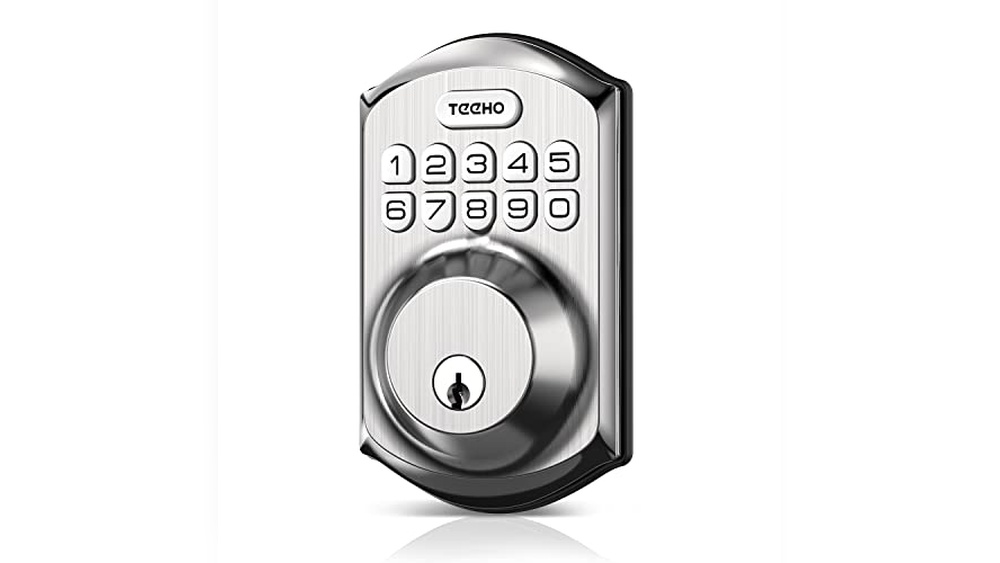
Is your deadbolt sticking and making it hard to lock or unlock your door? It can be frustrating and even a little worrying when your lock doesn’t work smoothly.
But don’t worry—you don’t have to call a locksmith just yet. You can fix a sticky deadbolt yourself with a few simple steps. You’ll discover easy, effective tips to get your deadbolt working like new again. Keep reading, and you’ll save time, money, and avoid future headaches by taking control of this common problem right now.
Common Causes Of Sticky Deadbolts
Sticky deadbolts cause frustration and can reduce home security. Knowing common causes helps fix the problem fast. Simple issues often block smooth locking and unlocking. Fixing these stops damage and keeps your door secure.
Dirt And Debris Build-up
Dust and dirt collect inside the lock over time. Small particles block the deadbolt’s movement. This buildup makes it hard to turn the key. Cleaning out the lock can restore smooth action quickly.
Lack Of Lubrication
Deadbolts need oil or graphite to work well. Without lubrication, parts rub and stick. The lock feels stiff and hard to move. Regular lubrication keeps parts sliding easily.
Misaligned Door Or Frame
The door and frame must line up correctly. If not, the deadbolt hits the frame when moving. This causes the lock to stick or jam. Adjusting the door or frame solves this problem.
Worn Out Components
Old or damaged parts inside the lock cause sticking. Springs, pins, or cylinders wear down with use. Worn parts do not work smoothly and cause jams. Replacing broken components fixes the deadbolt.
Credit: www.reddit.com
Tools And Materials Needed
Fixing a sticky deadbolt needs the right tools and materials. Having these ready saves time and makes the job easier. This section lists what you will need to get started. Simple tools and supplies often solve the problem quickly.
Lubricants Suitable For Deadbolts
Choose a lubricant that works well with locks. Graphite powder is a top choice. It does not attract dirt or dust. Silicone spray also works and keeps the lock smooth. Avoid oil-based lubricants as they can gum up the lock over time.
Cleaning Supplies
Cleaning helps remove dirt causing the stickiness. Use a soft cloth to wipe the lock. Cotton swabs reach small parts inside the lock. Mild soap and water can clean the outer surface. Make sure the lock is dry before applying lubricant.
Basic Hand Tools
Some simple hand tools can help fix the deadbolt. A screwdriver is useful to remove the lock from the door. Pliers help to adjust parts if needed. A small brush can clean tight areas inside the lock. Keep these tools handy for easy repair.
Step-by-step Fixes
Sticky deadbolts cause frustration and reduce home security. Fixing them is easier than it seems. Follow these clear steps to solve the problem quickly. Each step focuses on a key part of the deadbolt’s function. This approach helps you find the exact issue and fix it effectively.
Cleaning The Deadbolt
Remove dirt and dust from the deadbolt first. Use a soft cloth to wipe the surface. A small brush helps clean inside the keyhole. Avoid water or harsh chemicals that cause rust. Clean parts allow smooth movement and prevent sticking.
Lubricating The Mechanism
Apply lubricant to the moving parts of the deadbolt. Use graphite powder or silicone spray for best results. Insert lubricant into the keyhole and around the bolt. Turn the key several times to spread it evenly. Proper lubrication reduces friction and makes turning easier.
Adjusting The Door Alignment
Check if the door and frame line up properly. Misalignment causes the deadbolt to stick. Tighten loose hinges or adjust the strike plate position. Use a screwdriver to move the strike plate slightly. Ensure the bolt slides smoothly into the hole.
Replacing Damaged Parts
Inspect the deadbolt for worn or broken parts. Broken springs or bent bolts need replacement. Purchase parts matching your deadbolt model. Remove the old parts carefully and install new ones. Proper parts keep your lock secure and functional.
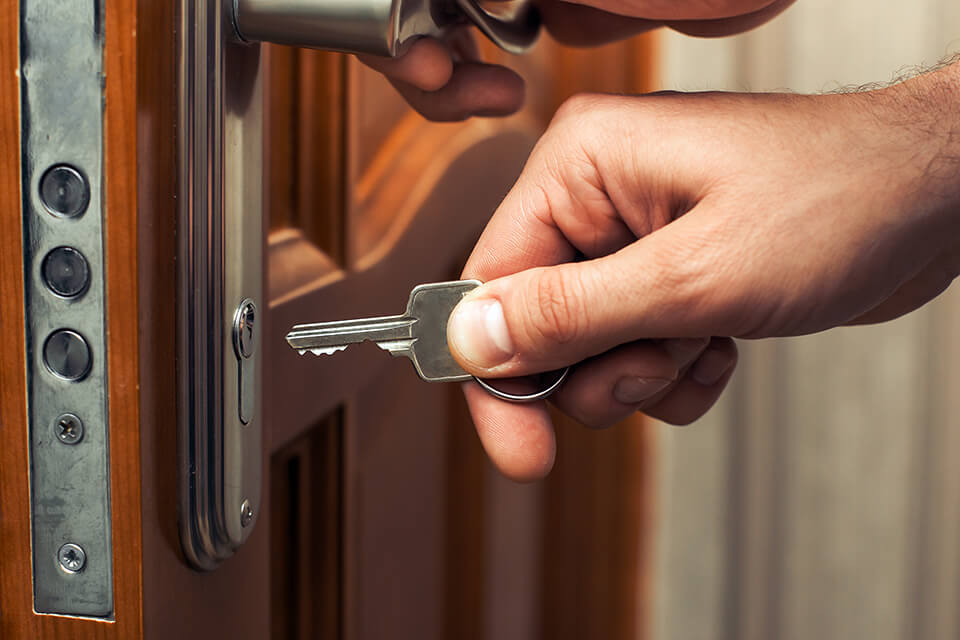
Credit: www.expressdoorsdirect.co.uk
Preventive Maintenance Tips
Preventive maintenance helps keep your deadbolt working smoothly. It stops problems before they start. Small steps can save time and money.
Follow these simple tips to avoid a sticky deadbolt. Regular care makes a big difference.
Regular Cleaning Schedule
Clean your deadbolt every few months. Use a soft cloth to remove dust and dirt. Avoid harsh chemicals that can damage the finish. Dirt buildup can cause the lock to stick. Clean both the inside and outside parts.
Proper Lubrication Frequency
Lubricate the deadbolt twice a year. Use a graphite or silicone-based lubricant. Oil-based sprays attract dust and can gum up the lock. Apply a small amount inside the keyhole and on moving parts. This helps the lock work smoothly.
Checking Door Alignment Periodically
Check the door alignment every few months. A misaligned door can cause the deadbolt to stick. Look for gaps or uneven spaces around the door frame. Tighten hinges or adjust the strike plate if needed. Proper alignment makes locking easier.
When To Call A Professional
Sometimes, fixing a sticky deadbolt is easy. A little oil or cleaning can solve the problem. But some issues need a professional locksmith’s help. Knowing when to call a pro saves time and prevents damage. It also keeps your home safe.
Signs Of Serious Damage
Look for cracks or breaks in the lock. If the key does not turn at all, the lock may be broken inside. Rust or corrosion can make the deadbolt hard to move. A lock that jams often is a sign of serious damage. Loose parts or a misaligned bolt also need expert attention. These signs mean the lock may fail soon.
Complex Repairs Beyond Diy
Some deadbolt problems require special tools or skills. Fixing internal parts or replacing the lock cylinder is tricky. Installing a new deadbolt correctly needs experience. A professional knows how to keep the lock secure. Trying complex repairs alone can cause more harm. Calling a locksmith avoids costly mistakes and ensures proper repair.

Credit: www.youtube.com
Frequently Asked Questions
How Can I Lubricate A Sticky Deadbolt?
Use graphite powder or silicone spray for lubrication. Avoid oil-based lubricants as they attract dirt. Apply lubricant inside the keyhole and on the bolt mechanism for smooth operation.
Why Does My Deadbolt Stick When Locking?
A sticky deadbolt often results from dirt buildup, rust, or misalignment. Weather changes can also cause the door or frame to swell, creating resistance.
Can I Fix A Sticky Deadbolt Without Replacing It?
Yes, cleaning and lubricating can often fix a sticky deadbolt. Adjusting the strike plate or tightening screws may also help without needing a replacement.
What Tools Do I Need To Fix A Sticky Deadbolt?
Basic tools include a screwdriver, lubricant (graphite powder or silicone spray), and a cloth. Optionally, use sandpaper to smooth rough edges causing the stick.
Conclusion
Fixing a sticky deadbolt is easier than it seems. Start by cleaning the lock and adding lubricant. Check if the screws are tight and aligned correctly. These simple steps often solve the problem quickly. Regular maintenance keeps your deadbolt working smoothly.
Don’t ignore small issues; they can get worse over time. Taking care of your lock saves time and money. Keep your home secure with a properly working deadbolt. Try these tips today and enjoy hassle-free locking.