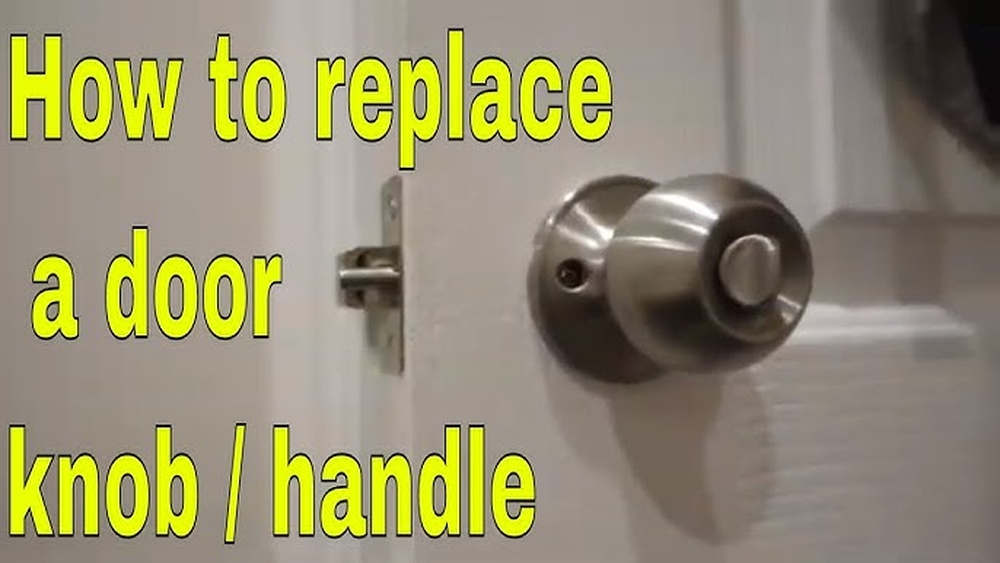
Have you ever removed a deadbolt lock and been left with an ugly hole in your door? That empty space can be an eyesore and even affect your door’s security.
But don’t worry—you don’t have to live with it or spend a fortune on repairs. You’ll discover simple, effective ways to cover up that deadbolt hole quickly and cleanly. Whether you’re fixing it yourself or prepping your home for sale, these tips will help you restore your door’s look and function.
Keep reading to learn how easy it can be to make that hole disappear!

Credit: www.amazon.com
Reasons To Cover A Deadbolt Hole
Covering a deadbolt hole is important for several reasons. A visible hole can cause problems in your home. It affects how your door looks and how safe it is. The hole can also let in bad weather. Understanding these reasons helps you see why covering the hole matters.
Aesthetic Concerns
An open deadbolt hole looks unfinished and untidy. It can ruin the door’s appearance. This makes the whole room look less neat. Covering the hole creates a clean, polished look. It improves the overall style of your door and home.
Security Considerations
An empty deadbolt hole is a weak spot. It may let intruders try to break in. Covering the hole adds a layer of protection. It keeps your home safer from unwanted access. A covered hole helps maintain the door’s strength.
Weather Protection
The hole allows air, rain, and dust inside. This can cause damage over time. Cold air makes your home less warm and comfortable. Covering the hole stops drafts and moisture. It helps keep your home dry and energy-efficient.

Credit: www.reddit.com
Materials Needed For Covering
Covering a deadbolt hole requires specific materials to ensure a smooth and neat finish. Choosing the right tools and supplies helps make the repair easier. This section explains what you need to gather before starting the project.
Basic Tools
You will need a few basic tools for the job. A screwdriver helps remove any leftover hardware. A drill may be necessary to smooth the edges or secure patches. Sandpaper is useful to prepare the surface for patching. A putty knife helps apply filler evenly.
Patch Materials
Patch materials fill the hole and create a solid base. Wood filler is ideal for wooden doors and frames. For metal doors, use an epoxy putty made for metal. Small pieces of wood or plastic can act as backing before filling. Choose a patch that matches your door material.
Finishing Supplies
Finishing supplies improve the look after patching. Primer seals the patch and helps paint stick. Paint matches your door color and hides the repair. Clear varnish adds protection and shine for wooden surfaces. Clean cloths help wipe dust and debris before painting.
Quick Fixes For Deadbolt Holes
Covering up a deadbolt hole can be quick and simple. You do not need special skills or expensive tools. These quick fixes help make the hole less visible or close it completely. Pick a method that fits your wall or door type.
Using Wood Filler
Wood filler works well on wooden doors. Clean the hole from dust and loose pieces first. Apply the wood filler with a putty knife, pressing it into the hole. Let it dry as the instructions say. Sand it smooth to match the door surface. Paint over it to blend with the door color.
Applying Metal Plates
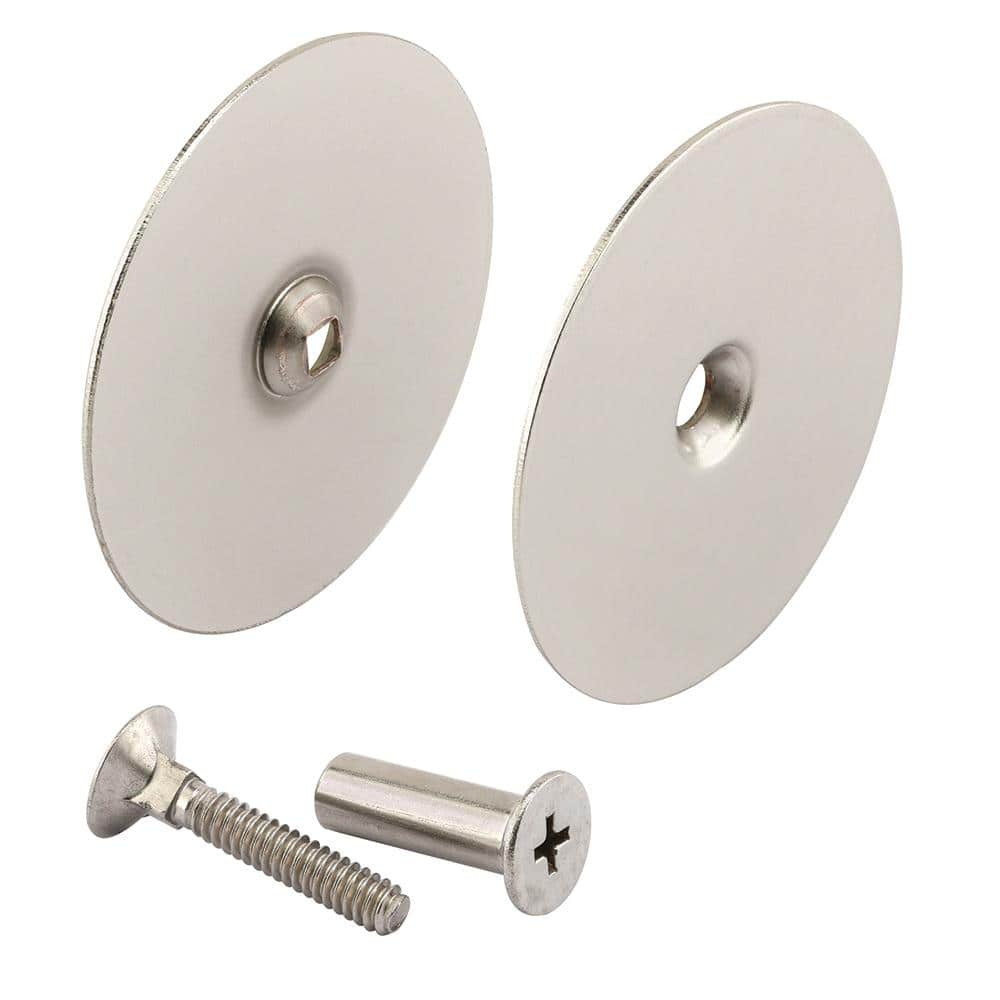
Metal plates cover deadbolt holes quickly and add strength. Choose a plate that fits over the hole. Screw the plate into the door around the hole. This hides the hole and stops the door from weakening. Metal plates come in different shapes and finishes to match door styles.
Covering With Decorative Hardware
Decorative hardware can hide deadbolt holes and improve door looks. Use items like rosettes, medallions, or larger escutcheons. Attach them with screws or adhesive over the hole. These pieces come in many designs and colors. They give a fresh, stylish look while hiding the hole.
Permanent Solutions
Permanently covering a deadbolt hole creates a clean look and restores door strength. This option suits doors with visible damage or those needing a lasting fix. Choose a method based on your skill level and budget.
Replacing The Door Section
Replace the damaged door section for a perfect finish. Cut out the part with the hole carefully. Fit a new piece of wood or metal that matches the door. Attach it firmly with screws or adhesive. Sand and paint the area to blend the patch. This method takes time but gives a seamless look.
Installing A Door Patch Kit
Door patch kits offer an easy way to cover holes. These kits contain fillers and covers designed for deadbolt holes. Clean the hole and apply the filler according to instructions. Let it dry completely before sanding smooth. Paint the patch to match the door color. Kits are affordable and simple for DIY repairs.
Using A New Lock Configuration
Choose a lock that fits a different hole size. Remove the old deadbolt and fill the hole with wood filler or epoxy. Sand the surface smooth after drying. Drill a new hole for the chosen lock. This method hides the old hole inside the door. It also upgrades your lock with better security features.
Painting And Finishing Touches
Painting and finishing touches are key to hiding a deadbolt hole. They help the repair look natural and smooth. Taking time with these steps makes the door look new again. A neat finish blends the patch perfectly with the rest of the door.
Choosing The Right Paint
Pick paint that matches the door’s color exactly. Use paint made for wood or metal, depending on your door. Satin or semi-gloss paint works well for most doors. Test the paint on a small spot first. This helps ensure the color matches well.
Sanding And Smoothing
After filling the hole, sand the surface gently. Use fine-grit sandpaper to avoid scratches. Sand until the patch feels smooth and even. Wipe away dust with a damp cloth. Smooth surfaces help paint stick better and look clean.
Blending With Door Finish
Apply paint in thin, even coats over the patch. Let each coat dry before adding the next. Feather the edges to blend with the door’s finish. Match the texture by using a brush or roller like the original. Blending keeps the repair from standing out.
Preventing Future Deadbolt Damage
Preventing future deadbolt damage saves time and money. It keeps your door secure and looking good. Small steps help avoid holes and cracks around the lock area. Focus on proper installation, adding strong reinforcement, and regular care. These tips keep your deadbolt working well for years.
Proper Lock Installation
Start with the right size lock for your door. Check that the hole is drilled clean and straight. Use a drill bit that matches the lock’s diameter exactly. Avoid forcing the lock into a hole that is too small or big. Tighten screws evenly to keep the lock stable. A well-installed lock prevents movement that can cause damage.
Using Reinforcement Plates
Reinforcement plates add extra strength to your door. They spread the force from the deadbolt over a larger area. Choose plates made of strong metal like steel. Install them around the lock and strike plate areas. Secure plates with long screws that reach the door frame. These plates stop the wood from splitting or cracking.
Regular Maintenance Tips
Check your deadbolt monthly for loose parts or wear. Tighten screws if you find any that are loose. Clean the lock with a dry cloth to remove dust and dirt. Lubricate the lock mechanism using graphite powder or a silicone spray. Avoid oil-based lubricants that attract grime. Regular care keeps the deadbolt smooth and reduces damage risk.
Credit: www.homedepot.com
Frequently Asked Questions
How Do I Cover A Deadbolt Hole On A Wooden Door?
Use a wooden filler plug or dowel that fits the hole. Sand it flush, then stain or paint to match the door. This hides the hole effectively and maintains door aesthetics.
Can I Use Putty To Cover A Deadbolt Hole?
Yes, wood putty works well for small deadbolt holes. Apply it in layers, let it dry, then sand smooth. Paint or stain over it to blend with the door surface.
What Materials Are Best For Covering Deadbolt Holes?
Wood filler, dowels, metal plates, or decorative escutcheons work best. Choose materials matching the door’s texture and finish for a seamless look. This ensures durability and good appearance.
Is It Necessary To Paint Over The Deadbolt Cover?
Painting or staining the cover is essential. It protects the filler material and blends the repair with the door. This step improves the door’s overall appearance and longevity.
Conclusion
Covering a deadbolt hole does not have to be hard. Small repairs can make a big difference. Use simple tools and materials you have at home. Take your time to get a smooth finish. A neat patch keeps your door looking good and strong.
Try different methods to find what works best. This fix saves money and keeps your space safe. Remember, a little effort goes a long way. You can handle this project with ease.