Is your deadbolt lock sticking and making it hard to open or close your door? This small problem can quickly become a big frustration, especially when you’re in a hurry or worried about home security.
But don’t worry—you don’t need to call a locksmith right away. With a few simple steps, you can fix your sticky deadbolt lock yourself. Keep reading, and you’ll learn easy tricks to get your lock working smoothly again, saving you time, money, and stress.
Credit: www.expressdoorsdirect.co.uk
Signs Of A Sticky Deadbolt
Sticky deadbolt locks can cause frustration and reduce home security. Recognizing early signs helps fix the problem before it worsens. Watch for unusual behavior in your lock to spot issues early.
Common Symptoms
The deadbolt may feel stiff or hard to turn. You might hear grinding noises when using the key. The key could get stuck inside the lock. Sometimes, the bolt moves slowly or gets stuck halfway. These signs indicate your deadbolt needs attention.
Causes Behind The Stickiness
Dirt and dust often build up inside the lock. This debris blocks smooth movement. Rust can form from moisture, causing parts to stick. Lack of lubrication makes the lock parts dry and stiff. Misalignment of the door or lock can also cause problems.

Credit: www.youtube.com
Tools You’ll Need
Fixing a sticky deadbolt lock needs the right tools. These tools make the job easier and faster. Gather everything before you start to avoid interruptions. You don’t need many items, just a few basics and the right lubricants.
Basic Tools
A screwdriver is necessary. Most deadbolts use Phillips or flathead screws. A small flashlight helps to see inside the lock. A clean cloth is useful to wipe dirt and old grease. Sometimes, needle-nose pliers can help if parts are stuck. These tools cover most basic repairs on a deadbolt lock.
Recommended Lubricants
Choose a lubricant made for locks. Graphite powder works well because it won’t attract dirt. Silicone spray is another good option. Avoid oil-based lubricants like WD-40; they can gum up the lock over time. Use a small amount to prevent over-lubricating. Proper lubricant helps your lock move smoothly again.
Step-by-step Fixes
Sticky deadbolt locks cause trouble. They make doors hard to open or close. Fixing them is easier than you think. Follow these simple steps to get your lock working smoothly again.
Cleaning The Lock
Start by cleaning the lock. Dirt and dust inside the lock cause stickiness. Use a soft brush or a can of compressed air. Remove all debris from the keyhole and bolt area. Wipe the surface with a damp cloth. Let it dry completely before moving to the next step.
Lubricating The Deadbolt
Lubrication reduces friction inside the lock. Use a graphite powder or a silicone-based spray. Avoid oil-based lubricants; they attract more dirt. Apply the lubricant directly into the keyhole and bolt. Insert and turn the key several times. This spreads the lubricant and frees up the mechanism.
Adjusting The Strike Plate
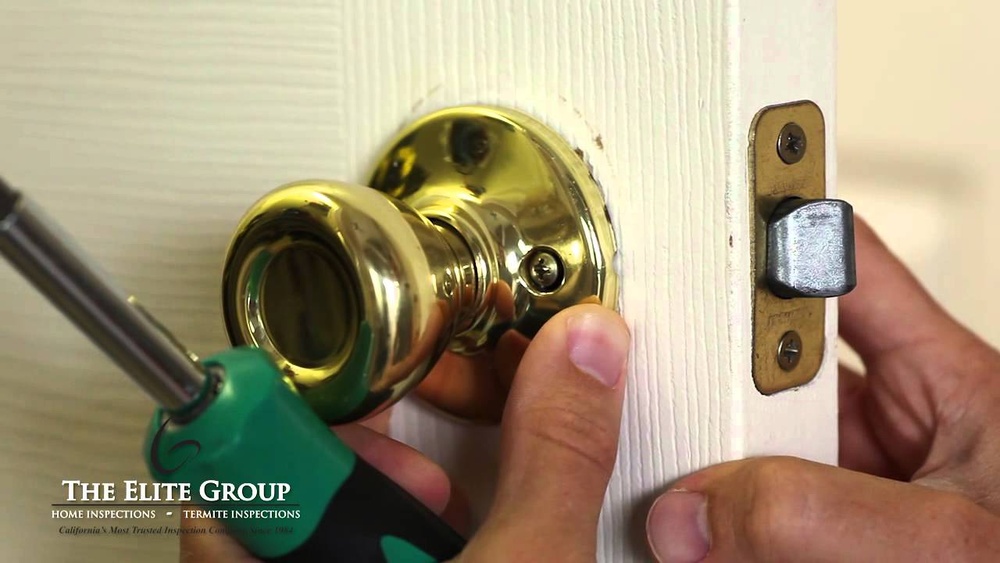
The strike plate may cause the deadbolt to stick. Check if it aligns properly with the bolt. Tighten or loosen the screws to adjust its position. Move it slightly up or down if needed. Ensure the bolt slides smoothly into the strike plate. Test the lock several times for smooth action.

Credit: www.ifixit.com
Preventing Future Problems
Preventing future problems with your deadbolt lock saves time and frustration. Regular care keeps the lock smooth and secure. Small steps can stop the lock from sticking again. Follow easy tips to keep your lock working well.
Regular Maintenance Tips
Clean the lock regularly using a soft cloth. Remove dust and dirt from the keyhole and bolt. Apply a graphite lubricant to keep parts moving freely. Avoid oil-based lubricants as they can attract dirt. Check the lock for signs of wear or damage. Tighten screws to keep the lock steady. Test the lock often to catch problems early.
Choosing Quality Locks
Select locks made from strong, durable materials. Look for deadbolts with good customer reviews. Choose locks with smooth operation and corrosion resistance. Higher quality locks last longer and resist sticking. Consider locks that have been tested for security. Investing in a good lock reduces repair needs later.
When To Call A Locksmith
Knowing when to call a locksmith is important for a sticky deadbolt lock. Some problems need expert care to avoid damage. Acting too late can make the lock worse or cause security issues.
Signs You Need Professional Help
The lock jams even after cleaning and oiling. Keys get stuck or hard to turn inside the lock. The deadbolt moves slowly or only works sometimes. The lock looks broken or parts feel loose. You lost the key or the lock won’t open at all. The door frame or lock shows damage around it.
Cost Considerations
Locksmith fees vary by service and location. Simple fixes cost less than full lock replacement. Some locksmiths charge extra for emergency visits or weekends. Weigh the cost of repair against buying a new lock. Professional help saves money by preventing bigger damage. Cheap repairs may lead to costly problems later.
Frequently Asked Questions
Why Is My Deadbolt Lock Sticking?
A deadbolt lock sticks due to dirt buildup, rust, or lack of lubrication. Misalignment of the lock components can also cause sticking. Regular cleaning and proper lubrication help maintain smooth operation.
How Can I Lubricate A Sticky Deadbolt Lock?
Use a graphite-based or silicone lubricant for deadbolt locks. Avoid oil-based lubricants as they attract dust. Apply the lubricant inside the keyhole and on the bolt mechanism for optimal performance.
Can Temperature Changes Affect Deadbolt Lock Function?
Yes, extreme temperatures can cause metal parts to expand or contract. This leads to misalignment and sticking. Adjusting the strike plate or lubricating the lock can solve the problem.
When Should I Replace A Sticky Deadbolt Lock?
Replace your deadbolt if cleaning and lubrication don’t fix the sticking. Frequent sticking or difficulty turning the key indicates internal damage. Upgrading ensures better security and smooth operation.
Conclusion
Fixing a sticky deadbolt lock does not have to be hard. Clean the lock parts carefully and use the right lubricant. Test the lock after each step to see if it works smoothly. Small fixes can save time and money.
Keep your lock working well by doing simple checks often. A smooth lock helps keep your home safe and easy to enter. Take your time and follow the steps to get the best results. Now, your deadbolt should open and close without any trouble.