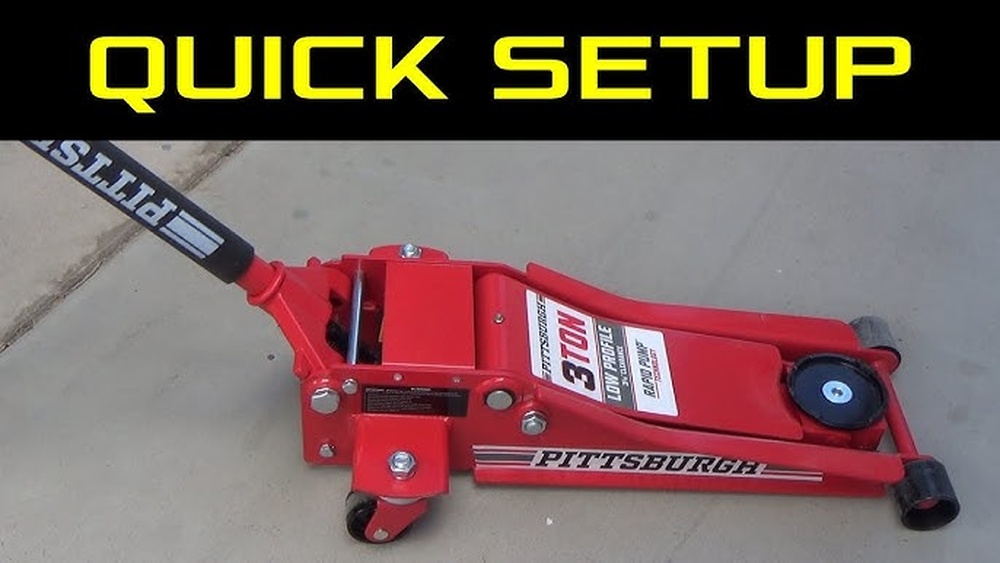
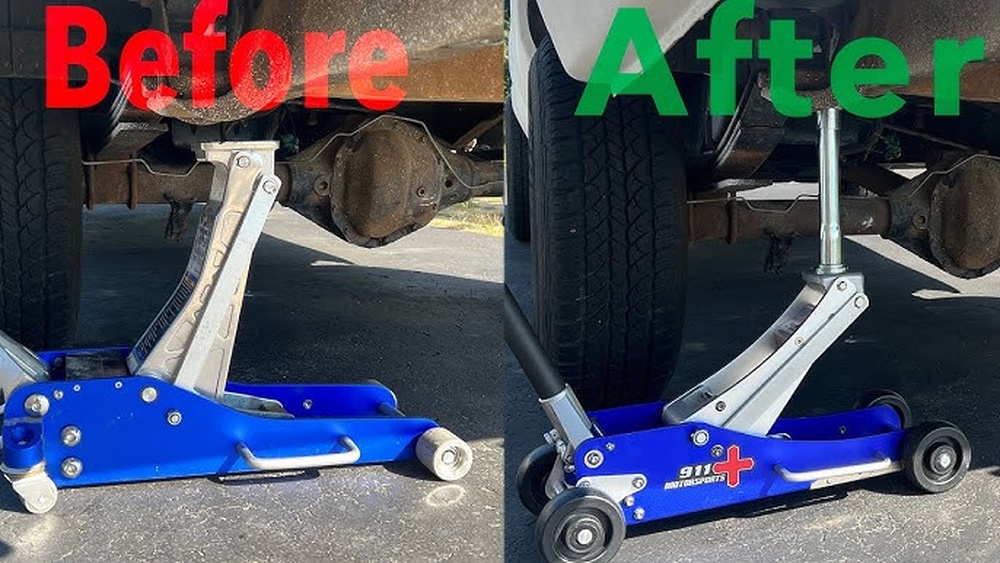
If you work with vehicles or heavy equipment, knowing how to identify parts of a floor jack can save you time and keep you safe. Understanding each component helps you use the jack correctly and spot any problems before they become serious.
You’ll learn exactly what to look for and why each part matters. By the end, you’ll feel confident handling your floor jack like a pro. Ready to take control and avoid costly mistakes? Let’s dive in.
Credit: www.groupepace.com
Types Of Floor Jacks
Floor jacks come in different types, each designed for specific tasks. Knowing the types helps you choose the right one for your needs. This section explains the main types of floor jacks and their features.
Hydraulic Floor Jacks
Hydraulic floor jacks use fluid pressure to lift heavy loads. They have a pump handle to raise the jack smoothly. These jacks are strong and lift quickly. They work well for cars and trucks. Most garages and mechanics prefer hydraulic jacks.
Scissor Floor Jacks
Scissor jacks use a screw mechanism to lift vehicles. They look like a diamond shape when opened. These jacks are compact and lightweight. You often find them in car trunks for emergencies. They lift slower but are easy to carry.
Pneumatic Floor Jacks
Pneumatic floor jacks use air pressure to lift loads. They connect to an air compressor for power. These jacks lift heavy vehicles with less effort. They are common in professional workshops. Pneumatic jacks provide fast and steady lifting.

Credit: pca.org
Main Components Of A Floor Jack
A floor jack is a useful tool for lifting heavy objects, especially vehicles. Understanding its main parts helps you use it safely and effectively. Each component plays a key role in the jack’s operation. Knowing these parts makes maintenance easier. Here are the main components of a floor jack explained.
Lifting Arm
The lifting arm is the metal arm that moves up and down. It carries the weight of the object being lifted. When you pump the handle, the arm rises. This part must be strong and sturdy to handle heavy loads.
Saddle
The saddle is the round, flat part at the end of the lifting arm. It touches the vehicle or object. The saddle holds the load securely and prevents slipping. Some saddles have grooves for better grip.
Handle
The handle is used to pump the jack up and down. It controls the lifting arm’s movement. Pushing or pulling the handle raises or lowers the load. The handle also helps steer the jack when moving it.
Hydraulic Cylinder
The hydraulic cylinder powers the lifting action. It uses fluid pressure to raise the arm smoothly. This part makes lifting heavy objects easier and safer. The cylinder must be well maintained to avoid leaks.
Wheels And Casters
Wheels and casters allow the jack to move easily. They support the jack’s weight and provide stability. Front wheels usually swivel, while rear wheels are fixed. Good wheels make positioning the jack simpler and faster.
How To Locate Each Part
Knowing how to locate each part of a floor jack helps in using it safely. Each part has a clear role in lifting heavy objects. Understanding where to find them is important for proper operation and maintenance.
Identifying The Lifting Arm And Saddle
The lifting arm is the long metal part that moves up and down. It holds the saddle on top. The saddle is a round or square plate. This plate touches the vehicle to lift it. Spot the arm connected to the base and the saddle resting at its end.
Finding The Handle And Pump Mechanism
The handle is usually a long rod attached to the jack. It helps pump the hydraulic fluid. Pumping raises the lifting arm. The pump mechanism is inside the body near the handle base. It moves fluid to create pressure for lifting.
Spotting The Hydraulic Cylinder
The hydraulic cylinder is a thick tube inside the jack. It holds the fluid that powers the lift. Look near the base of the lifting arm. The cylinder pushes the arm upward using fluid pressure. It is usually metal and connected to the pump.
Examining The Wheels
Wheels allow the jack to move easily. They are on the bottom corners of the base. Some jacks have two wheels, others have four. Check for sturdy wheels that roll smoothly. They help position the jack under a vehicle.
Safety Features To Recognize
Floor jacks help lift heavy objects safely. Knowing their safety features is very important. These features protect both the user and the equipment. Recognizing these parts helps you use the jack the right way. It also reduces the risk of accidents or damage.
Overload Valve
The overload valve stops the jack from lifting too much weight. It acts like a safety guard. When the load is too heavy, the valve limits the pressure. This prevents the jack from breaking or bending. It keeps both the jack and the user safe.
Release Valve
The release valve controls how the jack lowers the load. It allows you to lower heavy objects slowly and safely. Turning the valve too fast can cause sudden drops. This feature helps prevent accidents and damage to the lifted item.
Safety Locks
Safety locks keep the jack in place once it lifts the load. They stop the jack from slipping or falling suddenly. These locks are important for long jobs. Using them ensures that the lifted object stays stable and safe.
Common Maintenance Points
Maintaining a floor jack is key to keeping it safe and working well. Regular checks help spot problems early. Knowing common maintenance points saves time and money. It also keeps the jack reliable for lifting tasks. Focus on hydraulic fluid, moving parts, and lubrication. These areas affect how smoothly the jack works.
Checking Hydraulic Fluid
Hydraulic fluid powers the lifting action. Low fluid can cause the jack to fail. Check the fluid level often. Use the correct type of hydraulic oil. Look for leaks around seals and valves. Replace old or dirty fluid to keep performance strong.
Inspecting Moving Parts
Moving parts include wheels, handles, and joints. These parts wear down with use. Inspect for cracks, rust, or loose bolts. Tighten any loose parts immediately. Replace damaged components to avoid accidents. Clean dirt and debris from moving parts regularly.
Lubrication Tips
Lubrication reduces friction and wear. Use a light machine oil on hinges and pivot points. Avoid over-lubricating, which attracts dust and dirt. Wipe off excess oil after application. Lubricate parts monthly or after heavy use. Proper lubrication extends the life of your floor jack.
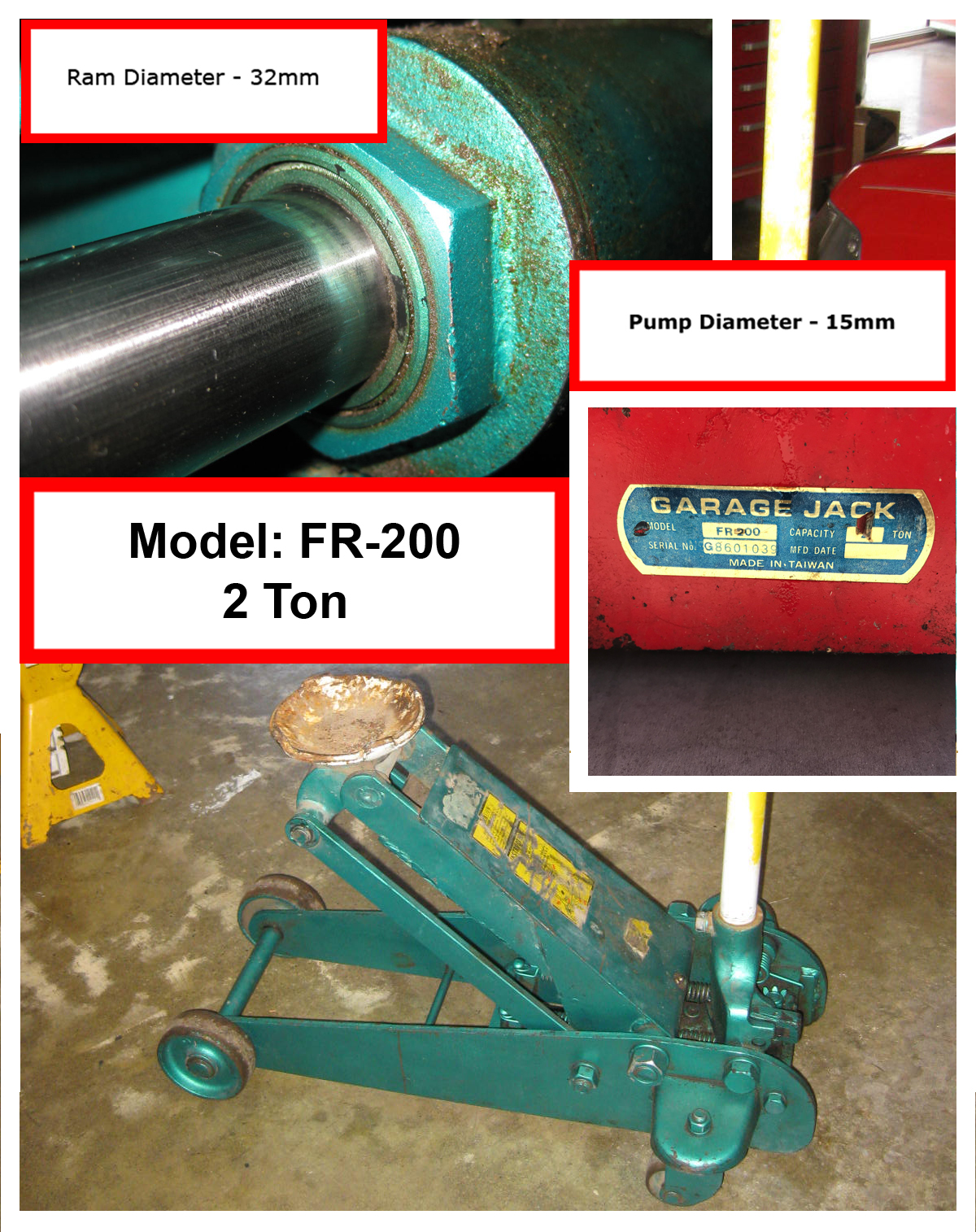
Credit: www.hcrcnow.com
Frequently Asked Questions
What Are The Main Parts Of A Floor Jack?
A floor jack mainly consists of the lifting arm, saddle, hydraulic cylinder, handle, and wheels. Each part works together to safely lift heavy loads. Understanding these parts helps in proper usage and maintenance of the jack.
How Do I Identify The Lifting Arm On A Floor Jack?
The lifting arm is the long metal piece connected to the saddle. It raises and lowers the load when the handle is pumped. It’s usually the most visible moving part on the jack.
Where Is The Hydraulic Cylinder Located On A Floor Jack?
The hydraulic cylinder is near the base of the jack. It uses fluid pressure to lift the arm. This component is crucial for the jack’s lifting power and smooth operation.
What Is The Purpose Of The Saddle On A Floor Jack?
The saddle is the round plate at the arm’s end. It makes contact with the vehicle’s lifting point. The saddle distributes weight evenly to prevent damage during lifting.
Conclusion
Knowing the parts of a floor jack makes lifting safer and easier. Each piece has a clear job to do. Recognizing these parts helps you use the jack correctly. This knowledge also helps spot problems early. Practice identifying parts before starting any job.
Keep your floor jack in good shape for best results. With time, you will feel more confident and skilled. Understanding the floor jack protects both you and your vehicle. Simple steps lead to better, safer repairs every time.