Have you ever tried to tighten a screw into a wall anchor and felt like it just wouldn’t cooperate? You’re not alone.
Getting that screw to fit just right can be trickier than it seems. If you tighten it too much, you risk damaging the wall or the anchor. Tighten it too little, and your shelf or picture frame won’t stay secure.
But don’t worry—understanding how hard to tighten a screw in a wall anchor can save you time, frustration, and costly mistakes. Keep reading, and you’ll learn the simple steps to get it perfect every time.
Credit: www.gilgharda.com
Choosing The Right Wall Anchor
Choosing the right wall anchor is important for a strong and safe hold. The wrong anchor can cause the screw to loosen or the wall to crack. Knowing the types of anchors and matching them to your wall material helps. This makes tightening the screw easier and more secure.
Types Of Wall Anchors
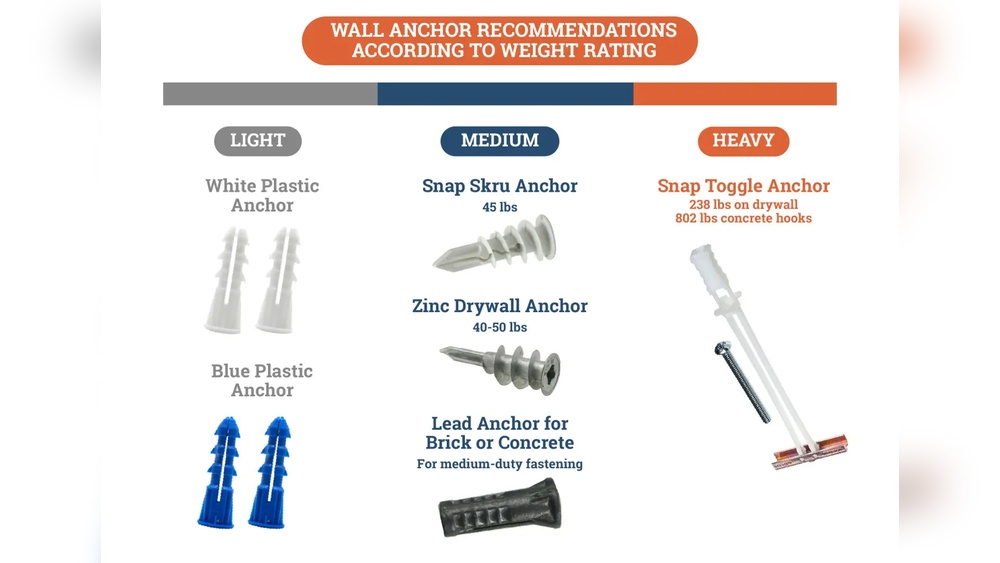
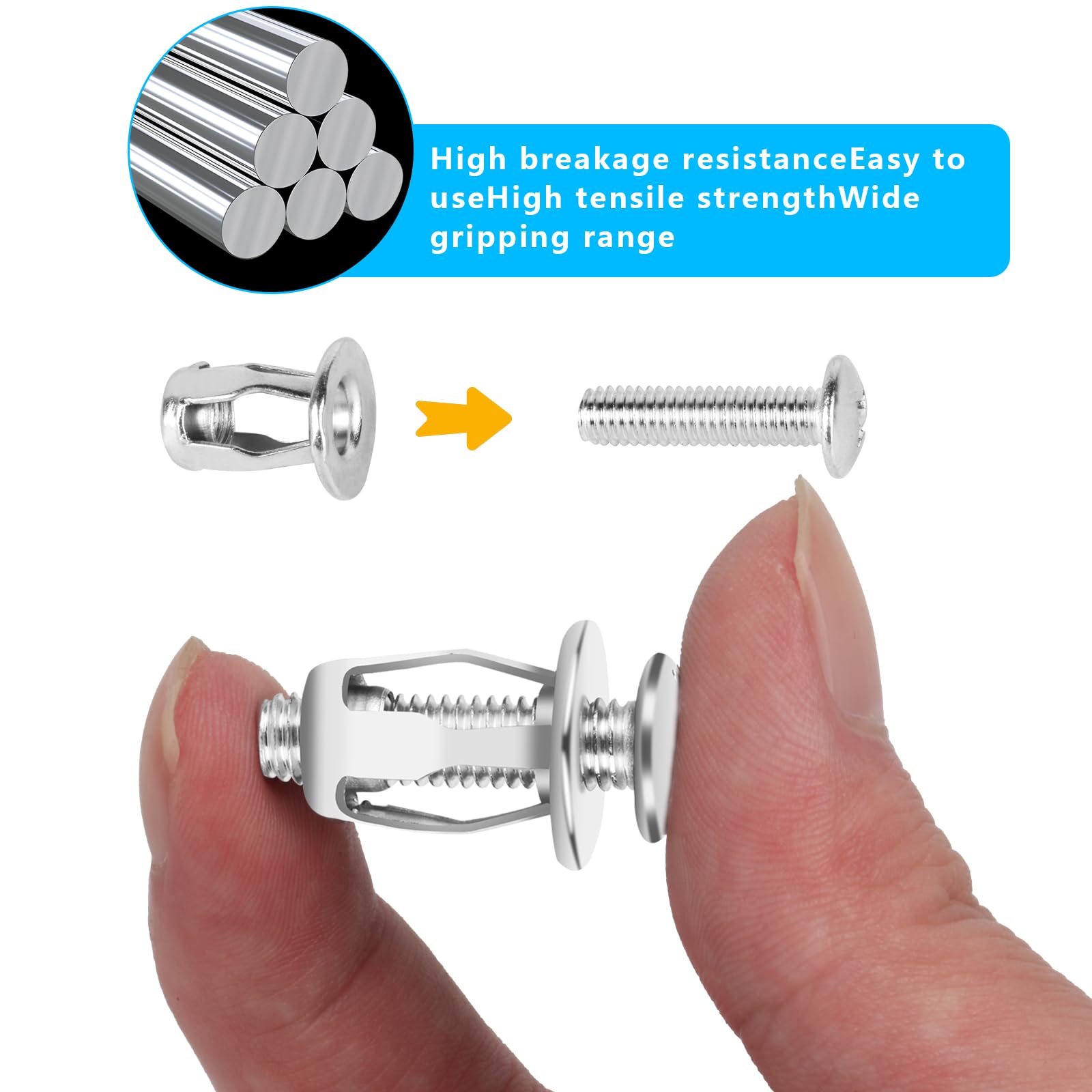
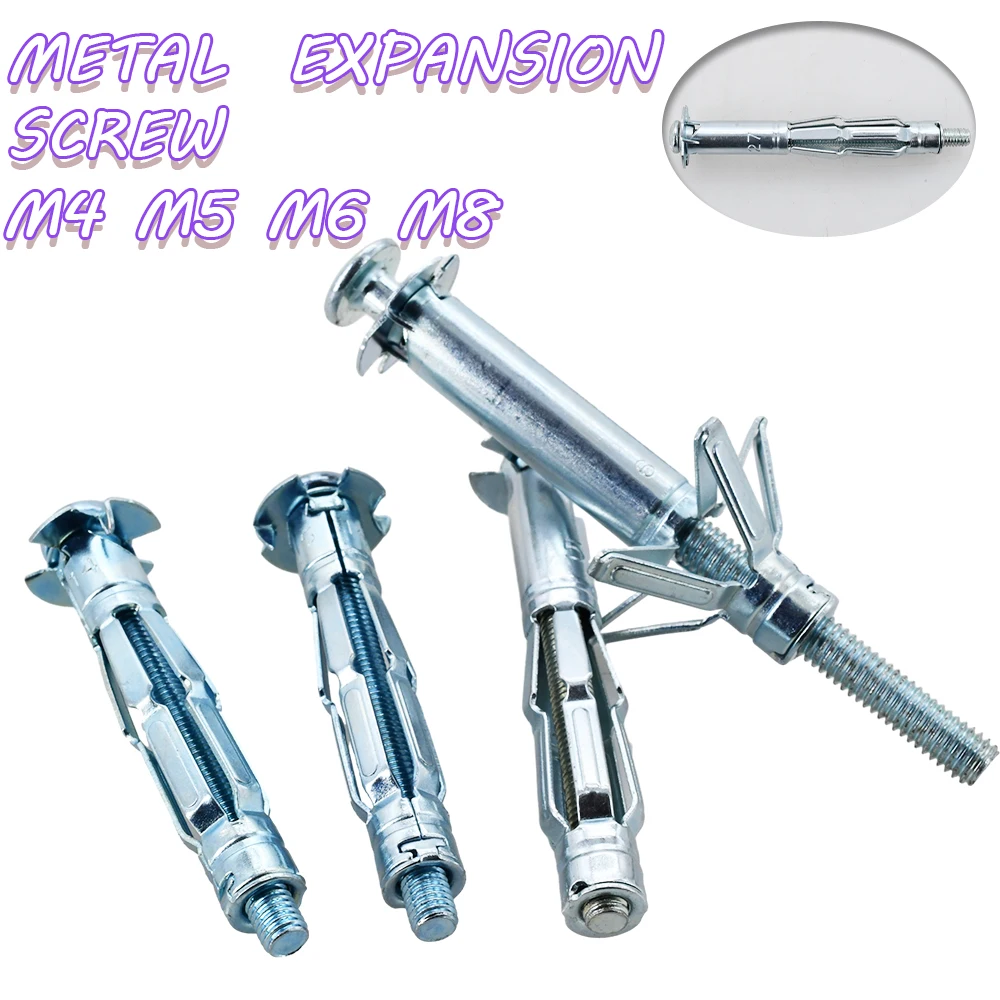
Plastic expansion anchors are common and easy to use. They work well for light loads in drywall or plaster. Metal anchors offer more strength and hold better in hard walls. Toggle bolts spread the load inside the wall for heavy items. Molly bolts expand inside the wall for a tight fit. Each type serves a specific purpose.
Matching Anchors To Wall Materials
Drywall needs anchors that spread the load gently. Plastic anchors and molly bolts work well here. Concrete and brick require strong anchors like metal or sleeve anchors. Hollow walls need toggle bolts for a secure grip. Matching the right anchor to your wall type prevents damage. It also makes it easier to tighten the screw without stripping or slipping.
Preparing The Wall For Installation
Preparing the wall before installing a wall anchor is important. It helps the screw hold tight and keeps your items safe. Taking time to prepare the wall makes the job easier and more secure.
Marking The Drill Spot
Start by marking the spot where you want to drill. Use a pencil for a clear, small mark. Check the spot twice to avoid mistakes. A well-marked spot guides the drill and keeps the hole straight.
Measure carefully if you need to align multiple anchors. Proper marking prevents holes in the wrong place. This step saves time and effort later.
Drilling The Correct Hole Size
Choose the right drill bit size for the anchor. The hole must fit the anchor snugly without being too tight or loose. Check the anchor packaging for size instructions.
Drill slowly and steadily to avoid cracking the wall. Keep the drill straight to make a clean hole. A good hole makes the anchor hold better and keeps the screw tight.
Inserting The Wall Anchor
Inserting a wall anchor is a key step for a strong hold. It helps screws stay firm in drywall or hollow walls. Doing this right makes your fixture safe and stable.
Careful insertion stops damage to walls and keeps anchors effective. A few simple tips can make the process smooth and easy.
Proper Placement Techniques
Mark the spot clearly before drilling. Use a level to keep marks straight. Drill a hole that fits the anchor size exactly. Too big or small can cause problems. Insert the anchor gently and straight. Tap lightly with a hammer if needed. Push until the anchor sits flush with the wall.
Avoiding Common Insertion Mistakes
Do not force the anchor into a wrong-sized hole. Avoid angling the anchor during insertion. This weakens the hold and may break the anchor. Do not skip cleaning dust from the hole. Dust can stop the anchor from gripping well. Avoid hitting the anchor too hard with the hammer. It might crack or deform the anchor.
Tightening The Screw
Tightening the screw in a wall anchor requires care and the right tools. Too little force means the anchor may not hold well. Too much force can damage the wall or the anchor. This section explains how to tighten screws correctly for a strong, secure hold.
Choosing The Right Screwdriver Or Drill
Select a screwdriver or drill that fits the screw head exactly. A loose fit can strip the screw and make tightening hard. Use a manual screwdriver for better control on small jobs. For bigger jobs, a drill with adjustable torque settings works best. Match the tool to the screw size and type.
Applying The Correct Torque
Apply steady, even pressure while turning the screw. Stop tightening as soon as the screw feels snug. Do not force the screw beyond this point. Over-tightening can break the anchor or damage the wall. Use a drill with torque control to avoid too much force.
Signs Of Over-tightening
Watch for cracks in the wall or anchor. The screw may turn without resistance or feel loose after tightening. The anchor might spin freely inside the hole. These signs mean the screw is too tight. Loosen the screw slightly and try again with less force.
Troubleshooting Difficulties
Tightening a screw in a wall anchor can sometimes cause problems. These issues can slow down your work and cause frustration. Knowing how to handle common troubles helps you fix them fast. This section covers ways to solve frequent problems with wall anchors.
Dealing With Loose Anchors
Loose anchors do not hold screws well. They wiggle or fall out easily. Check the hole size first. It should match the anchor size. If the hole is too big, fill it with wood glue or putty. Let it dry before inserting the anchor again. For drywall, use a bigger anchor or a toggle bolt for better grip.
Fixing Stripped Screws
Stripped screws have damaged heads that a screwdriver cannot turn. Use a rubber band over the screw head for extra grip. Press the screwdriver firmly into the band and turn slowly. If this fails, use a screw extractor tool. Avoid forcing the screw to stop further damage. Replace the screw with one of the same size after removal.
Handling Cracked Walls
Cracked walls weaken anchor holding power. Avoid putting heavy loads on cracked areas. Fill cracks with wall filler or spackle before drilling. Allow the filler to dry fully. Drill carefully to prevent widening cracks. Use anchors designed for cracked or fragile walls for a secure hold.
Credit: jacksonblakeman.co.nz
Expert Tips For Secure Installation
Installing wall anchors properly is key to holding screws firmly in place. Tightening a screw too much or too little can cause problems. Expert tips help ensure a strong and safe installation. Follow these simple steps to avoid damage and keep your wall secure.
Using Anchors For Heavy Loads
Choose anchors made for heavy loads to avoid failure. Plastic anchors work for light items. Metal or toggle anchors suit heavy objects like shelves or TVs. Drill the correct hole size for the anchor. Insert the anchor fully and gently tap it if needed. Tighten the screw slowly to test the grip. Stop if the anchor spins or feels loose.
Maintaining Wall Integrity
Do not overtighten screws. Over-tightening can crack the wall or break the anchor. Tighten just enough so the screw holds firmly. Use a screwdriver or drill with low torque. Check the wall around the anchor for cracks or damage. Repair any damage before installing anchors again. This keeps your wall strong and safe for future use.

Credit: www.youtube.com
Frequently Asked Questions
How Hard Is It To Tighten A Screw In A Wall Anchor?
Tightening a screw in a wall anchor is generally easy with the right tools. Use a screwdriver or drill with steady pressure to avoid stripping. Properly installed anchors hold screws firmly, making the process smooth and secure.
Can Overtightening Damage A Wall Anchor?
Yes, overtightening can crack or break the wall anchor. It may also strip the screw hole, reducing holding strength. Tighten screws until snug, then stop to avoid damaging the anchor or the wall.
What Tools Are Best For Tightening Screws In Anchors?
A manual screwdriver or a power drill with adjustable torque works best. Choose the right bit size to fit the screw head perfectly. This ensures efficient tightening without slipping or damaging the screw or anchor.
How Do I Know When A Screw Is Tight Enough In An Anchor?
Tighten until the screw feels snug and the anchor holds firmly. Avoid forcing it further to prevent damage. If the screw spins without resistance, the anchor may be loose or stripped.
Conclusion
Tightening a screw in a wall anchor takes some care and patience. Avoid forcing the screw too hard to prevent damage. Use the right tools and check the anchor type first. A steady hand helps keep the screw straight and secure.
Practice makes this task easier over time. Small steps lead to strong and safe wall fixtures. Keep these tips in mind for your next project. It’s a simple skill anyone can learn with a little effort.