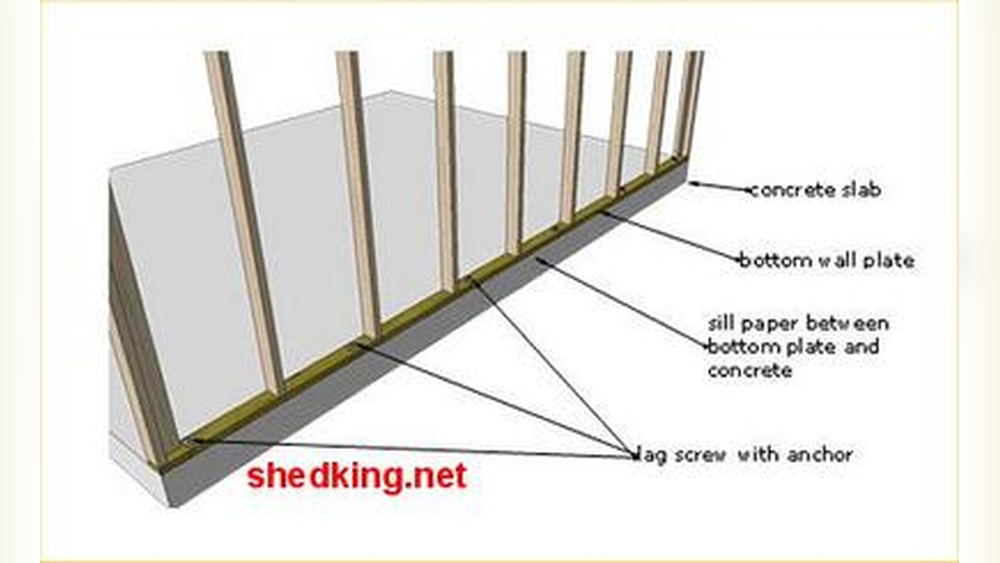
Are you working on a project that requires strong, secure walls? Knowing how to anchor walls to concrete is essential for making sure your structure stands firm and lasts long.
Whether you’re building a shed, a garage, or a fence, the right anchoring method can save you time, money, and frustration. You’ll discover simple, clear steps to anchor your walls safely and effectively—even if you’re not an expert. Keep reading, and you’ll gain the confidence to get the job done right the first time.
Choosing The Right Anchor
Choosing the right anchor is key to securing walls to concrete. The right anchor holds the wall firmly and lasts long. Picking a poor anchor can lead to weak walls or damage. Understand your options and needs before buying anchors. This ensures strong and safe wall attachment.
Types Of Wall Anchors
Concrete anchors come in many types. Wedge anchors expand inside the hole for a tight fit. Sleeve anchors use a metal sleeve to grip the concrete. Drop-in anchors sit flush and work with bolts. Plastic anchors are less strong but good for light loads. Each type fits different wall weights and uses.
Factors To Consider
Think about the load the wall must hold. Heavy items need stronger anchors. Check the hole size and depth for the anchor. Consider vibration or movement around the wall. Some anchors resist movement better. Cost also matters but do not sacrifice quality. Safety and durability are top priorities.
Material Compatibility
Match the anchor material with the wall and fastener. Steel anchors suit heavy loads and harsh conditions. Stainless steel resists rust and works outdoors. Zinc-coated anchors offer basic rust resistance. Avoid mixing metals that cause corrosion. Proper material choice extends anchor life and strength.
:strip_icc()/hammering-concrete-nails-7a5b81a6-89a6078f13fb4ec0899ebbf399fc755c.jpg)
Credit: www.bhg.com
Preparing The Concrete Surface
Preparing the concrete surface is the first step to anchor walls securely. A clean and well-marked surface ensures strong attachment. This process includes cleaning, inspection, marking, and drilling guide holes. Each step helps avoid mistakes and weak anchors.
Cleaning And Inspection
Start by removing dust, dirt, and debris from the concrete. Use a stiff brush or vacuum to clean thoroughly. Check the surface for cracks or damage. Repair any large cracks before proceeding. A smooth surface improves anchor hold and stability.
Marking Anchor Points
Measure carefully to mark the exact spots for anchors. Use a pencil or chalk to make clear marks. Ensure the points are evenly spaced and aligned. Proper marking helps drill precise holes and avoids errors.
Drilling Guide Holes
Select a drill bit size that matches the anchor type. Use a hammer drill for better control and power. Drill straight holes at the marked points. Clean out dust from the holes with a brush or air blower. Guide holes ensure anchors fit tightly and hold well.
Installation Techniques
Anchoring walls to concrete requires strong and reliable methods. Choosing the right technique ensures stability and safety. This section explains three popular installation techniques. Each method suits different needs and materials. Understanding these techniques helps you pick the best option for your project.
Setting Expansion Anchors
Expansion anchors work by expanding inside the concrete hole. Start by drilling a hole the size of the anchor. Clean the hole from dust and debris. Insert the anchor into the hole. Tighten the bolt or screw to expand the anchor. The expansion grips the concrete tightly. This method is quick and strong for light to medium loads.
Using Sleeve Anchors
Sleeve anchors provide a secure hold for heavier walls. Drill a hole slightly bigger than the anchor diameter. Remove dust and particles from the hole. Insert the sleeve anchor and tap it gently. Tighten the nut to expand the sleeve against the concrete. This creates a strong, stable connection. Sleeve anchors work well for both solid and hollow concrete.
Installing Epoxy Anchors
Epoxy anchors use a resin to bond the anchor to concrete. Drill a hole deep enough for the anchor. Clean the hole thoroughly with a brush and air blower. Inject epoxy resin into the hole. Insert the anchor rod or bolt into the resin-filled hole. Allow the epoxy to cure fully before applying load. This method offers very high strength and is ideal for heavy-duty applications.
Ensuring Proper Alignment
Ensuring proper alignment is key when anchoring walls to concrete. It helps keep the wall straight and secure. Poor alignment can cause structural problems and safety risks. Taking time to check alignment improves the strength of the connection.
Leveling And Positioning
Start by placing the wall near the concrete surface. Use a spirit level to check if the wall is straight up and down. Adjust the wall until it stands perfectly vertical. Mark spots on the concrete where the anchors will go. This step ensures the wall stays stable and aligned.
Adjusting Anchor Placement
Measure the marked spots carefully before drilling. Small mistakes can cause misalignment. If marks seem off, adjust them slightly to match the wall’s position. Drill holes exactly where the marks are. Insert anchors without moving the wall. Proper placement keeps the wall strong and true.
Testing Anchor Strength
Testing the strength of anchors is a key step in wall anchoring. It ensures the anchors hold the wall firmly to the concrete. Without proper testing, anchors may fail under pressure. This can cause damage or safety risks. Simple tests can reveal if an anchor is strong enough.
Load Testing Methods
Load testing checks how much weight an anchor can hold. One common method uses a pull tester. This device pulls the anchor with a set force. If the anchor holds without moving, it passes the test. Another method involves applying weight gradually. Watch the anchor for any shift or loosening. These tests help confirm the anchor’s real strength.
Signs Of Weak Anchors
Weak anchors show several clear signs. Cracks around the anchor point are a red flag. Loose or wobbly anchors indicate poor grip. Rust or corrosion on the anchor may weaken it. If the wall moves or shifts, anchors might be failing. Identifying these signs early helps avoid bigger problems later.

Credit: www.frontierbasementsystems.com
Maintenance Tips
Maintaining anchored walls is key to keeping them strong and safe. Regular care helps spot problems early. It also extends the life of anchors and walls. Follow simple steps to ensure your anchored walls last long and work well.
Regular Inspections
Check anchors and walls often for any damage. Look for cracks, loose bolts, or shifts in the wall. Early signs of trouble can be small. Use a flashlight to see hidden areas clearly. Write down any issues to track changes over time.
Addressing Corrosion
Metal anchors can rust from moisture or weather. Rust weakens the anchor and the wall. Clean rust with a wire brush or sandpaper. Apply a rust-resistant coating to protect metal parts. Keep the area dry to slow down corrosion.
Replacing Worn Anchors
Old or damaged anchors must be replaced quickly. Worn anchors can fail and cause wall collapse. Use the same size and type of anchor for replacement. Follow safety rules and use proper tools. Regular replacement keeps the wall stable and safe.

Credit: www.youtube.com
Frequently Asked Questions
What Tools Are Needed To Anchor Walls To Concrete?
You need a drill, masonry bit, anchor bolts, hammer, wrench, and safety gear. These tools ensure secure and precise anchoring to concrete surfaces.
How Do You Choose The Right Anchor For Concrete Walls?
Select anchors based on wall thickness, load, and concrete type. Common options include wedge, sleeve, and drop-in anchors for strong hold.
Can I Anchor Walls To Concrete Without Drilling?
No, drilling is essential to create holes for anchors. This ensures a stable, secure connection between the wall and concrete.
How Deep Should Anchor Holes Be In Concrete?
Anchor holes should be at least as deep as the anchor length plus 1 inch. Proper depth ensures maximum holding strength and safety.
Conclusion
Anchoring walls to concrete creates strong and lasting support. Follow each step carefully for safe results. Use the right tools and materials every time. Check measurements twice to avoid mistakes. Take your time and work steadily. Proper anchoring keeps structures stable and secure.
This simple process protects your walls from damage. Trust the method for a solid foundation. You can do this with basic skills and patience. Keep safety first and enjoy your sturdy walls.