Are you ready to hang shelves, pictures, or heavy decorations but unsure how to secure them safely on your wall? Putting an anchor in the wall might sound tricky, but once you know the right steps, it becomes a simple task you can handle yourself.
Imagine having the confidence to mount anything without worrying about it falling or damaging your walls. In this guide, you’ll discover easy, clear instructions that make the process quick and stress-free. Keep reading, and you’ll learn how to make your walls strong and reliable for all your decorating needs.

Credit: www.picturehangsolutions.com
Types Of Wall Anchors
Wall anchors hold screws firmly in walls. They stop screws from slipping out, especially in drywall or hollow walls. Different anchors fit different needs. Choosing the right one makes your work safe and strong. Below are common types of wall anchors and how they work.
Plastic Expansion Anchors
Plastic expansion anchors are simple and popular. You drill a hole, insert the anchor, then screw in. The anchor expands inside the wall, gripping tightly. They work well for light to medium loads in drywall or plaster.
Toggle Bolts
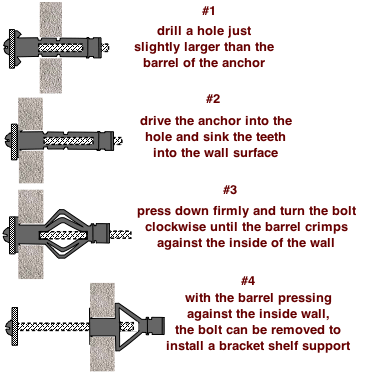
Toggle bolts have metal wings that open inside the wall. You push the folded wings through a hole. Once inside, the wings spread wide and hold the bolt firmly. They are strong and fit hollow walls or ceilings. Use toggle bolts for heavy items.
Molly Bolts
Molly bolts are metal anchors with a sleeve. Insert the bolt and tighten. The sleeve expands behind the wall, locking in place. They offer good support for medium to heavy items. Molly bolts work well in drywall and thin plaster.
Threaded Drywall Anchors
Threaded drywall anchors screw directly into drywall without pre-drilling. They have sharp threads to grip the wall. Insert a screw into the anchor for a secure hold. These anchors handle light to medium weight objects. Easy to install and remove.
Tools Needed For Installation
Installing anchors in a wall needs the right tools. Using proper tools makes the job easier and safer. This section explains the main tools required for a smooth installation.
Drill And Drill Bits
A drill helps make holes in the wall for the anchors. Choose drill bits that match the anchor size. Using the correct drill bit ensures a perfect fit. Keep the drill steady to avoid wall damage.
Screwdriver
A screwdriver tightens screws into the anchor. Use the right type, either flathead or Phillips, depending on the screw head. Proper tightening keeps the anchor secure in the wall. Avoid over-tightening to prevent stripping the screw.
Hammer
A hammer helps tap the anchor into the drilled hole. Use gentle taps to avoid wall cracks. The hammer ensures the anchor fits flush with the wall surface. Be careful not to hit the anchor too hard.
Measuring Tape And Pencil
Measure the spot for the anchor placement using measuring tape. Mark the exact point with a pencil for accuracy. This step prevents mistakes and keeps anchors aligned. Accurate marking helps hang items evenly on the wall.
Preparing The Wall
Preparing the wall is the first step to secure anchors properly. A well-prepared wall ensures strong support and prevents damage. Taking time to prepare saves effort later and improves safety.
Selecting The Right Spot
Choose a spot that can hold weight without cracking. Avoid weak areas like drywall near corners or damaged spots. Solid surfaces like studs or masonry are best. Pick a place where the anchor will do its job well.
Marking The Drill Points
Use a pencil to mark where you will drill. Measure twice to be sure the marks are even and level. Clear marks help you drill accurately. This step prevents mistakes and keeps the anchor stable.
Checking For Wiring And Pipes
Use a stud finder with wire detection to avoid pipes and wiring. Drilling into wires or pipes is dangerous. Check the wall carefully before drilling. Safety first—never guess the location of hidden pipes or cables.

Credit: www.youtube.com
Step-by-step Installation
Installing an anchor in the wall is simple with clear steps. Follow these instructions carefully for a strong hold. Each step builds on the last to make sure the anchor stays firm.
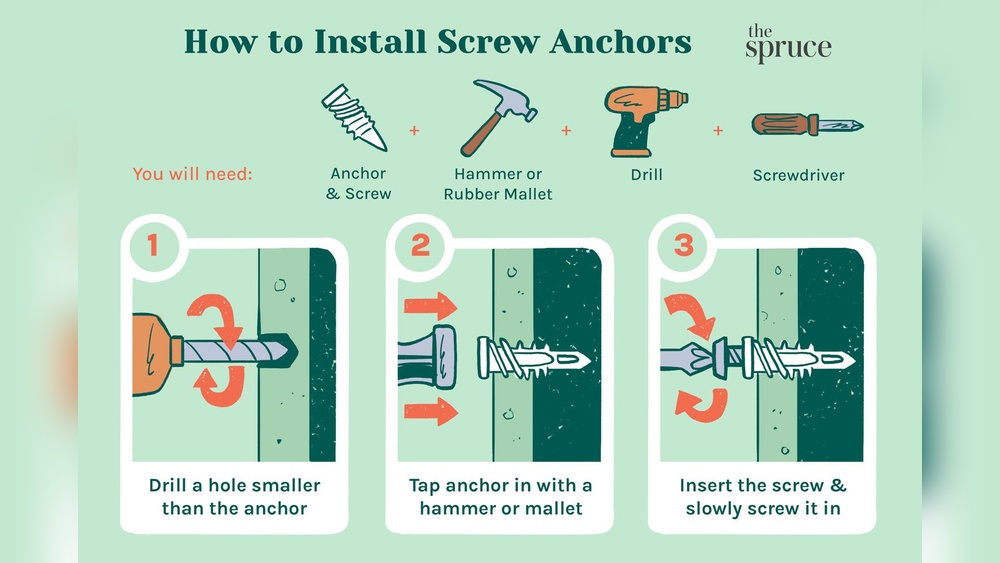
Drilling The Hole
Choose the right drill bit size for your anchor. Mark the spot on the wall where you want to drill. Keep the drill steady and straight while drilling. Drill slowly to avoid cracking the wall. Clean out dust from the hole before moving on.
Inserting The Anchor
Push the anchor gently into the hole. Tap it lightly with a hammer if needed. The anchor should fit snugly without bending. Stop tapping once the anchor is flush with the wall surface. Avoid forcing the anchor to prevent damage.
Securing The Screw
Select a screw that matches the anchor size. Insert the screw into the anchor carefully. Turn the screw with a screwdriver until it is tight. Do not over-tighten as it may strip the anchor. Ensure the screw head sits flush or slightly above the wall.
Testing The Fixing
Gently pull or push the fixture to test strength. The fixing should not move or wiggle. If loose, remove the screw and anchor. Repeat the process with a larger anchor if needed. A firm fixing means the job is done well.
Tips For Different Wall Materials
Different walls need different anchors. Choosing the right anchor keeps your items safe and secure. This guide helps you pick the best anchor for drywall, concrete, brick, and plaster.
Drywall
Drywall is soft and easy to damage. Use plastic expansion anchors or self-drilling anchors. Drill a small hole first. Then, push or screw the anchor in. Avoid heavy items without a stud for support.
Concrete
Concrete is very hard. Use a hammer drill to make holes. Choose sleeve anchors or wedge anchors for strong hold. Tap the anchor into the hole until flush. Tighten the screw carefully for stability.
Brick
Brick walls require special care. Drill into the brick, not the mortar. Use masonry anchors or sleeve anchors. Insert the anchor into the hole. Tighten screws slowly to avoid cracks.
Plaster
Plaster can crack easily. Find a wooden stud behind the plaster for best hold. Use toggle bolts for heavier items. Drill a hole slightly larger than the anchor. Insert the anchor gently to prevent damage.
Common Mistakes To Avoid
Putting an anchor in a wall seems simple. Many make mistakes that cause damage or weak hold. Avoid these errors to ensure a secure and safe installation. Read on to learn the common mistakes to avoid.
Using Incorrect Anchor Size
Choosing the wrong anchor size weakens the hold. Too small anchors may not support the weight. Too large ones can crack the wall. Match the anchor size to the screw and wall type. This ensures a strong and stable fit.
Over-tightening Screws
Tightening screws too much can damage the anchor or wall. It may strip the anchor or break drywall. Turn screws until snug, then stop. This keeps the anchor secure without causing harm.
Ignoring Wall Material
Different walls need different anchors. Drywall, brick, and concrete require specific types. Using the wrong anchor leads to poor support. Identify your wall material before buying anchors.
Skipping Safety Checks
Neglecting safety checks risks injury and damage. Always wear safety goggles and gloves. Check for electrical wires or pipes behind the wall. Use a stud finder if needed. Safety first for every project.
Maintaining Secure Fixings
Maintaining secure fixings is important for safety and durability. Wall anchors hold items firmly on walls. Over time, they can loosen or get damaged. Regular care keeps your fixings strong and reliable. Check and fix any issues early. This stops accidents and keeps your walls intact.
Regular Inspections
Check your wall anchors every few months. Look for cracks or movement around the fixing. Test if the anchor feels loose by gently shaking the item. Early signs of wear mean you should act soon. Regular checks prevent bigger problems later.
Re-tightening Screws
Screws can loosen from daily use or vibrations. Use a screwdriver to tighten screws firmly. Avoid over-tightening to stop damage to the wall or anchor. Tight screws keep the anchor secure and the item stable. Check screws during your inspections for safety.
Replacing Damaged Anchors
Damaged anchors lose their grip and strength. Remove old or broken anchors carefully from the wall. Choose the right size and type of new anchor for your wall. Install the new anchor following proper steps. Replacing anchors ensures your items stay safely fixed.
Credit: www.do-it-yourself-help.com
Frequently Asked Questions
What Types Of Anchors Work Best For Drywall?
Plastic expansion anchors and toggle bolts work best for drywall. They provide good grip and support for light to medium loads. Choose the anchor based on the weight of the object you want to hang and the drywall thickness.
How Do You Install A Wall Anchor Properly?
First, drill a hole matching the anchor size. Insert the anchor flush with the wall surface. Then, screw in the screw until it’s secure but not over-tightened to avoid damaging the wall or anchor.
Can I Use Wall Anchors On Concrete Walls?
Yes, use masonry anchors or sleeve anchors for concrete walls. Drill a hole with a masonry bit, insert the anchor, and then tighten the screw. These anchors provide strong support for heavy objects on concrete.
How Do I Choose The Right Anchor For My Wall?
Consider the wall material and object weight. Use plastic anchors for light loads on drywall. For heavy items or masonry, choose metal or toggle anchors. Always check the anchor’s weight rating to ensure safety.
Conclusion
Putting an anchor in the wall is simple with the right steps. Choose the correct anchor for your wall type. Drill a hole carefully and insert the anchor firmly. Tighten the screw to hold your item securely. This method helps hang pictures, shelves, and more safely.
Practice makes the process easier and faster. Follow these tips to avoid damage and keep things steady. Now, you can hang things with confidence and ease.


