Struggling to hang shelves, pictures, or hooks on a brick wall without them falling down? You’re not alone.
Installing wall anchors in brick can seem tricky, but once you know the right steps, it becomes simple and secure. In this guide, you’ll learn exactly how to choose, drill, and fix anchors that hold strong every time. Keep reading, and you’ll have the confidence to tackle your brick wall projects like a pro—no more worrying about things coming loose or damaging your walls.
Let’s get started!

Credit: www.picturehangsolutions.com
Choosing The Right Wall Anchors
Choosing the right wall anchors is key to a strong hold in brick surfaces. Different anchors work best for different jobs and weights. Picking the correct type and size ensures safety and durability for your project.
Types Of Anchors For Brick
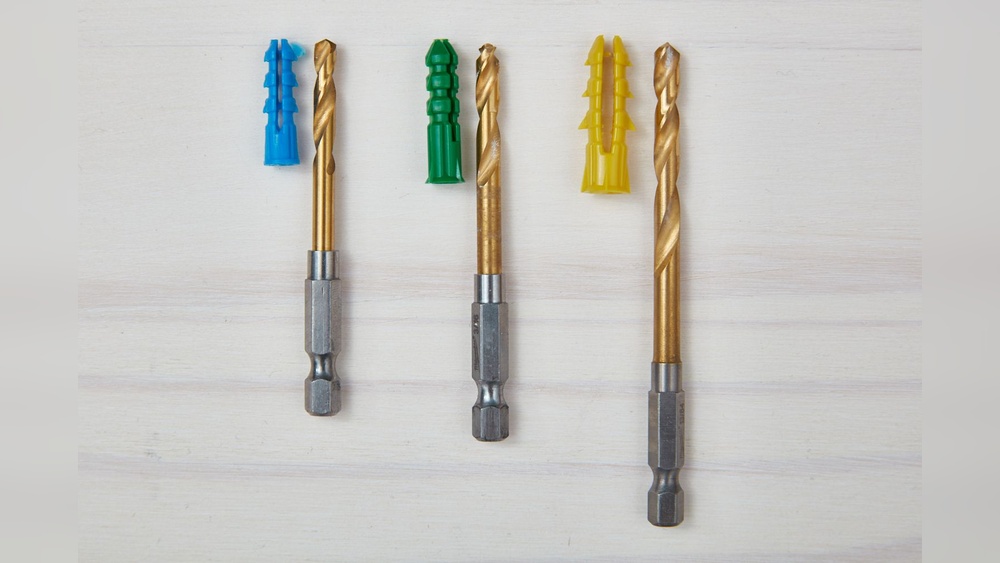
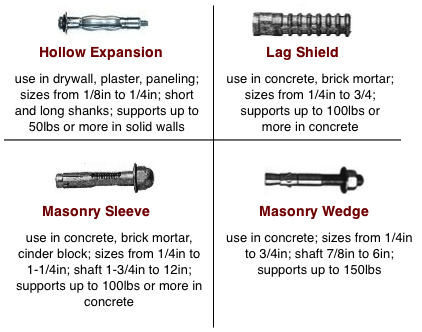
There are several anchors made for brick walls. Plastic expansion anchors work well for light items. They expand inside the hole to hold firmly.
Masonry screws are another choice. They screw directly into brick and provide strong support. Sleeve anchors offer heavy-duty holding power. They expand inside the hole when tightened, creating a tight grip.
Toggle bolts can also be used. They spread behind the wall for extra strength. Choose the type that fits your brick and project needs.
Anchor Size And Weight Capacity
Anchor size affects how much weight it can hold. Small anchors suit lightweight objects like picture frames. Larger anchors support heavier items like shelves or TVs.
Check the weight rating on the anchor package. Match the anchor size to the item’s weight. Using an anchor too small risks the item falling. Too big can damage the brick.
Measure the hole size and depth before choosing anchors. Correct size and capacity keep your installation safe and secure.
Credit: www.do-it-yourself-help.com
Tools And Materials Needed
Installing wall anchors in brick requires the right tools and materials. Using proper equipment makes the job easier and ensures a strong hold. This section covers the essential items you need for a successful installation.
Drill And Drill Bits
A power drill is necessary to make holes in the brick. Choose a drill with good power and a comfortable grip. Use masonry drill bits designed for brick and concrete. These bits are strong and can cut through hard surfaces without breaking.
Hammer And Screwdriver
A hammer helps to tap the wall anchors into the drilled holes. Use a regular hammer with a solid head. A screwdriver is needed to drive screws into the anchors. Pick a screwdriver that fits your screws well to avoid slipping.
Protective Gear
Safety is important when working with brick and power tools. Wear safety goggles to protect your eyes from dust and debris. Use gloves to protect your hands from sharp edges and rough surfaces. Dust masks help keep dust out of your lungs during drilling.
Preparing The Brick Surface
Preparing the brick surface is the first step to install wall anchors securely. A clean and well-marked brick wall helps the anchors hold tight. This preparation prevents cracks and ensures the anchor stays in place.
Take time to choose the right spot. A precise location makes drilling easier and safer. Marking the exact position guides your drill and keeps the anchor steady.
Locating The Drill Spot
Check the brick for any cracks or damage. Avoid weak spots that might crumble. Find a solid area on the brick’s face, not on the mortar between bricks.
Use a tape measure to find the correct height and distance. Look for a flat surface to keep the drill steady. This helps the anchor fit perfectly and hold strong.
Marking The Position
Use a pencil or marker to make a small dot on the brick. Make sure the mark is clear and visible. Double-check the spot before you start drilling.
Marking helps you drill straight and avoid mistakes. It also prevents damage to the brick and keeps the wall looking neat.
Drilling Into Brick
Drilling into brick needs care and the right tools. Bricks are hard and can crack easily. Proper drilling makes the hole clean and strong. This step is key for wall anchors to hold well.
Selecting The Right Drill Bit
Use a masonry drill bit for brick surfaces. It has a strong tip made for hard materials. The size of the bit must match the wall anchor size. Avoid using regular drill bits to prevent damage. Check the drill bit for wear before starting.
Drilling Techniques For Brick
Mark the spot clearly before drilling. Start with slow speed to avoid slipping. Apply steady pressure but do not force the drill. Pull the drill out occasionally to clear dust. Drill straight into the brick for a secure fit.
Inserting The Wall Anchor
Inserting the wall anchor correctly is key to a strong hold in brick walls. This step ensures the anchor stays secure and supports the weight it must carry. Taking time to prepare the hole and place the anchor right makes a big difference.
Cleaning The Hole
Clear out dust and debris from the drilled hole. Use a small brush or blow air into the hole. This helps the anchor fit tightly inside. A clean hole prevents slipping and weak support.
Placing The Anchor Properly
Push the anchor straight into the hole without forcing it. It should sit flush with the brick surface. Tap gently with a hammer if needed. Avoid bending or damaging the anchor during placement.

Credit: www.amazon.com
Securing The Fixture
Securing the fixture to brick walls needs care and the right tools. The fixture must hold tight without harming the brick or anchor. Proper steps ensure a strong and lasting hold.
Choosing The Right Screw
Select screws that match the wall anchor size. Too long or thick screws can crack the brick. Too short screws will not hold the fixture firmly. Use screws made of rust-resistant material for durability. Check the screw type recommended for your anchor.
Tightening Without Damage
Turn the screw slowly and steadily. Stop once the fixture feels secure. Over-tightening can crack the brick or strip the anchor. Use a screwdriver or drill with a clutch to control pressure. Test the fixture gently to confirm it is stable and safe.
Tips For Stronger Holds
Securing wall anchors in brick requires care and attention. Stronger holds prevent damage and keep items safe. Use proper tools and follow steps closely. Small details make a big difference in strength.
Avoiding Common Mistakes
Choose the right anchor size for your brick. Too small or too big weakens the hold. Drill a hole straight and deep enough. Avoid cracking the brick by using low drill speed. Clean dust from the hole before inserting the anchor. Do not force the anchor in if it feels tight.
Maintenance And Inspection
Check the anchors regularly for signs of wear. Look for loose screws or shifting anchors. Tighten screws carefully without overdoing it. Replace anchors if the brick shows cracks or damage. Keep the area dry to prevent rust or decay. Regular care keeps your anchors reliable and strong.
Frequently Asked Questions
What Tools Do I Need To Install Wall Anchors In Brick?
You need a hammer drill, masonry bit, wall anchors, screws, a screwdriver, and safety goggles. These tools ensure precise and safe installation.
How Deep Should I Drill Holes For Brick Wall Anchors?
Drill holes slightly deeper than the anchor length, usually about 1. 5 inches. This allows the anchor to fit securely inside the brick.
Can I Use Plastic Anchors For Brick Walls?
Plastic anchors work for light loads but are less durable in brick. Use metal or sleeve anchors for heavier or more secure fixtures.
How Do I Prevent Brick From Cracking When Drilling?
Use a hammer drill with a masonry bit at a slow speed. Apply gentle pressure and avoid forcing the drill to prevent cracks.
Conclusion
Installing wall anchors in brick is simple with the right tools. Drill carefully to avoid cracks. Choose anchors that fit your project needs. Tighten screws steadily for a strong hold. Test the anchor before hanging heavy items. This skill helps secure pictures, shelves, or decorations safely.
Practice makes the process easier and faster. Soon, you’ll feel confident working with brick walls. Keep these tips in mind for reliable results every time.