Have you ever wished you could control a light right from your outlet? Adding a light switch from an existing outlet might sound tricky, but it’s easier than you think.
Imagine the convenience of turning on a lamp or a fan without unplugging it or crawling behind furniture. In this guide, you’ll learn simple, step-by-step instructions to make your space smarter and more functional. Keep reading, and by the end, you’ll have the confidence to upgrade your home lighting quickly and safely.
Tools And Materials Needed
Adding a light switch from an outlet needs the right tools and materials. Using proper items makes the job safe and easy. Without the correct gear, the process can become risky or complicated.
Gather everything before starting. This saves time and helps avoid mistakes. Knowing what to have on hand is key for a smooth project.
Essential Tools
- Voltage tester to check electrical current.
- Wire stripper for removing insulation safely.
- Screwdriver set with flathead and Phillips tips.
- Needle-nose pliers for gripping and bending wires.
- Utility knife for precise cutting tasks.
- Drill with bits for mounting switch boxes.
- Measuring tape to ensure accurate placements.
Required Materials
- Single-pole light switch for controlling the light.
- Electrical box to hold the switch securely.
- 12/2 or 14/2 electrical wire depending on circuit.
- Wire nuts to connect and protect wire ends.
- Switch plate cover for a clean finish.
- Electrical tape for extra insulation on connections.
Safety Gear
- Insulated gloves to prevent electric shocks.
- Safety glasses to protect eyes from debris.
- Rubber-soled shoes for better electrical insulation.
- Flashlight or headlamp if working in low light.
Safety Precautions
Safety is the top priority when adding a light switch from an outlet. Electrical work can be dangerous without proper care. Following safety steps protects you from shocks and accidents. Always prepare before starting the task.
Turn Off Power
Locate the circuit breaker for the area you will work on. Switch it off to cut the electricity. Double-check that the power is off before touching any wires. This prevents electric shocks and injury.
Test For Live Wires
Use a voltage tester to check if wires have power. Touch the tester to each wire carefully. No light or sound means the wire is safe to handle. This step ensures no hidden live wires are present.
Work In A Safe Environment
Clear the workspace of clutter and wet items. Use insulated tools designed for electrical work. Wear rubber-soled shoes and avoid standing on wet floors. Good lighting helps you see wires clearly and avoid mistakes.
Planning The Installation
Planning the installation is the first step in adding a light switch from an outlet. This stage helps you avoid mistakes and ensures a safe setup. Careful planning saves time and effort later.
Focus on choosing the right spot, knowing the wiring basics, and following local rules. Each part is important for a smooth installation.
Choosing The Outlet And Switch Location
Pick an outlet near where you want the light switch. The location should be easy to reach. Avoid placing the switch too far from the light fixture. Think about furniture and room layout. Make sure the outlet has enough space for wiring changes.
Understanding Wiring Basics
Learn about hot, neutral, and ground wires. Hot wires carry electricity, neutral wires complete the circuit, and ground wires protect against shocks. Identify the wires in your outlet box. Know how to connect the switch without causing shorts or overloads. Use a voltage tester to check wires before touching them.
Checking Local Electrical Codes
Local codes set safety rules for electrical work. Check your area’s rules before starting. Some places require permits or inspections. Follow the rules to avoid fines and unsafe setups. Use approved materials and tools. This keeps your home safe and up to code.
Credit: www.do-it-yourself-help.com
Removing The Outlet Cover
Removing the outlet cover is the first step to add a light switch from an outlet. It gives you access to the wiring inside. This step is simple but must be done carefully. Safety is very important.
Before starting, make sure the power is off at the breaker. This prevents electric shock. Use a voltage tester to check the outlet. If no power is detected, you can safely remove the cover.
Gather The Right Tools
You need a flathead or Phillips screwdriver. Most outlet covers use one of these screws. Having the right tool makes the job faster and safer. Avoid using the wrong screwdriver to prevent damage.
Unscrew The Outlet Cover
Locate the screw in the center of the outlet cover. Turn the screwdriver counterclockwise to remove it. Keep the screw in a safe place. The cover should come off easily once the screw is removed.
Remove The Cover Plate
Gently pull the cover plate away from the wall. Do not force it. If it sticks, wiggle it slightly until it loosens. The cover plate is thin and can break if handled roughly.
Inspect The Outlet And Wiring
Look inside the electrical box. Check for any damaged wires or loose connections. This is a good chance to see if repairs are needed. Take note of wire colors and positions for the next steps.
Wiring The Switch
Wiring the switch is a key step in adding a light switch from an outlet. This process controls the flow of electricity to your light fixture. Proper wiring ensures safety and functionality. Follow each step carefully to avoid common mistakes.
Identifying Hot, Neutral, And Ground Wires
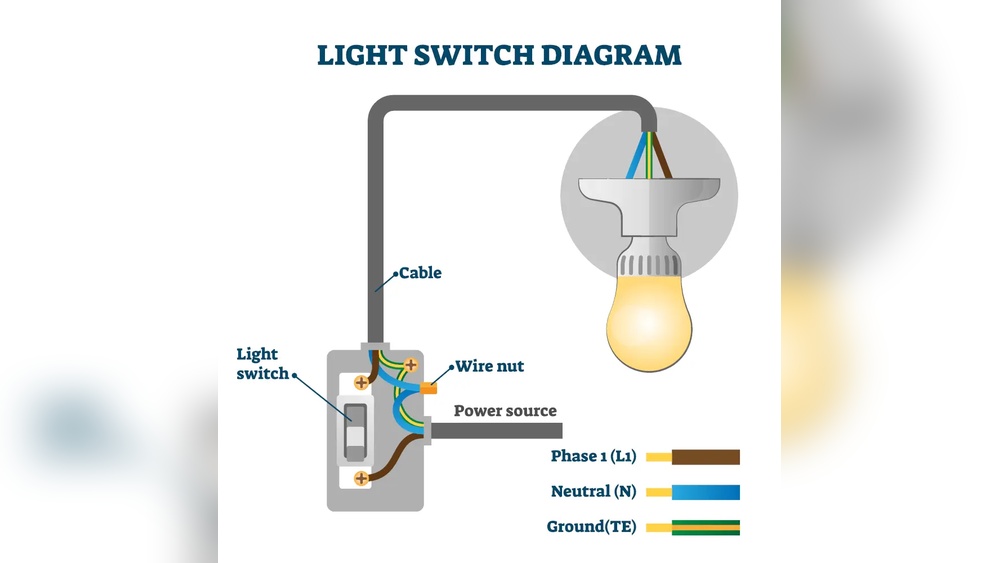
Start by turning off the power at the circuit breaker. Use a voltage tester to check wires safely. The hot wire carries electricity and is usually black or red. The neutral wire completes the circuit and is white. The ground wire protects against electrical faults and is green or bare copper. Knowing these wires helps you connect the switch correctly.
Connecting The Switch To The Outlet
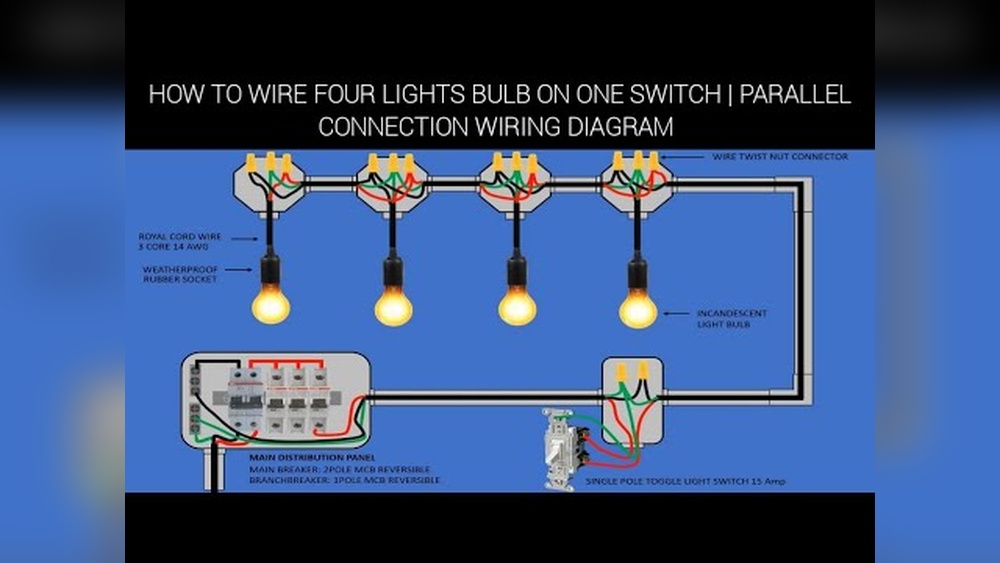
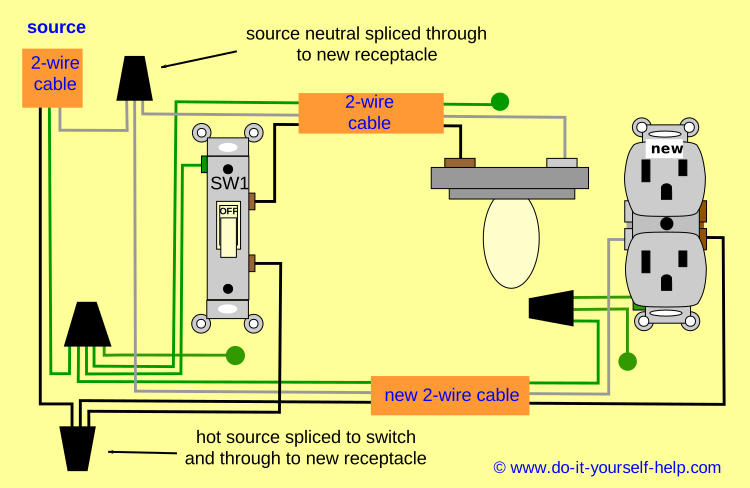
Connect the hot wire from the outlet to one terminal on the switch. Attach the other terminal to the wire leading to the light fixture. Keep the neutral wires connected together with a wire nut. Do not connect the neutral wire to the switch. The ground wire should be connected to the switch’s ground terminal. This setup allows the switch to control power flow safely.
Securing Wire Connections
Use wire nuts to join wires tightly. Wrap electrical tape around wire nuts for extra safety. Push wires neatly into the outlet and switch boxes. Tighten screws on the switch terminals firmly. Loose connections can cause sparks or failures. Double-check all connections before restoring power.
Installing The Switch Box
Installing the switch box is a key step to add a light switch from an outlet. It holds the switch securely in the wall. This step requires careful measuring and cutting to ensure a proper fit. Follow the process closely for a neat and safe installation.
Cutting The Wall Opening
First, mark the spot on the wall where the switch will go. Use a pencil and a level for a straight line. Choose a switch box size that matches your switch. Trace the box outline on the wall.
Use a drywall saw to cut along the lines carefully. Cut slowly to avoid damaging wires or pipes behind the wall. Remove the cut piece and clean the edges of the hole.
Mounting The Switch Box
Insert the switch box into the wall opening. Check if it fits snugly without gaps. Use screws or mounting brackets to fix the box firmly to the wall studs. The box should not move when touched.
Ensure the box is flush with the wall surface. This makes the switch easy to install later. A sturdy mount keeps the switch safe and functional for years.
Running Wires To The Switch
Run electrical wires from the outlet to the new switch box. Use a fish tape or wire puller to guide wires inside the wall. Leave enough wire length to connect the switch easily.
Strip the wire ends to expose copper for connections. Follow electrical codes and safety rules for wire routing. Proper wiring prevents hazards and ensures the switch works well.
Attaching The Switch And Cover Plate
Attaching the switch and cover plate is a key step in adding a light switch from an outlet. It secures the switch in place and gives a clean look to the installation. This step also ensures safety by covering exposed wires.
Handle the switch carefully and follow the instructions closely. Proper attachment avoids loose connections and potential hazards. Take your time to align everything perfectly.
Securing The Switch To The Electrical Box
First, push the wires back gently into the electrical box. Align the switch with the mounting holes. Use screws to fasten the switch firmly. Do not overtighten to avoid damage.
Check that the switch sits flat and does not wiggle. A stable switch feels solid when pressed.
Installing The Cover Plate
Place the cover plate over the switch. Line up the screw holes with those on the switch. Insert the screws and tighten them evenly. The cover plate should sit flush against the wall.
Make sure no wires are visible or pinched under the plate. A neat cover plate improves the room’s appearance.
Testing The Switch
Turn the power back on at the breaker. Flip the switch to test if the light works. If the light turns on and off smoothly, the installation is good.
Do not force the switch if it feels stuck. Double-check the wiring and switch connections.
Testing The Installation
Testing the installation is a key step after adding a light switch from an outlet. This step confirms that everything works safely and correctly. It prevents electrical problems and ensures the switch controls the light as intended.
Restoring Power
Turn the circuit breaker back on carefully. Check that power returns to the outlet and switch area. Use a non-contact voltage tester to confirm power is live. Make sure no wires are loose or exposed before restoring power.
Checking Switch Functionality
Flip the switch on and off to test it. The light should turn on and off smoothly. If the light does not respond, check the switch wiring again. Ensure the switch is in the correct position and connected to the right wires.
Troubleshooting Common Issues
If the light does not work, check for loose connections. Confirm the outlet wiring matches the switch wiring plan. Replace the switch if it feels damaged or old. Sometimes, the bulb or fixture may cause the problem. Test with a different bulb or fixture to isolate the issue.
Tips For A Professional Finish
Achieving a professional finish when adding a light switch from an outlet requires careful attention to detail. Small steps can make a big difference in the final look and safety of your project. Follow these tips to ensure your work looks clean and functions well.
Organizing Wires Neatly
Keep wires tidy and straight inside the electrical box. Avoid tangled or crossed wires. Use wire nuts to secure connections firmly. Arrange wires so they do not block the switch or outlet. Neat wiring prevents shorts and makes future repairs easier.
Labeling Circuits
Mark each wire clearly with a label or colored tape. Identify which wires connect to power, load, and ground. Labeling helps avoid confusion during installation and later troubleshooting. It saves time and reduces mistakes in complex wiring setups.
Maintaining Code Compliance
Follow local electrical codes closely. Use the right wire gauge and switch type for your circuit. Ensure all connections are tight and secure. Install a proper cover plate to protect wiring. Meeting code standards ensures safety and prevents inspection issues.

Credit: www.youtube.com

Credit: diy.stackexchange.com
Frequently Asked Questions
How Do I Wire A Light Switch From An Outlet?
To wire a light switch from an outlet, turn off power first. Connect the switch’s black wire to the outlet’s black hot wire. Use the white neutral wire to complete the circuit. Secure all connections and test the switch before restoring power.
Can I Add A Light Switch Without Rewiring Walls?
Yes, you can add a light switch without rewiring walls by using the outlet’s existing wiring. Install a switch in series with the outlet’s hot wire. This method avoids wall damage but requires careful wiring to ensure safety and proper function.
What Tools Are Needed To Add A Switch From An Outlet?
You need a voltage tester, wire strippers, screwdriver, electrical tape, and wire nuts. These tools help ensure safe and secure connections when adding a light switch from an outlet.
Is It Safe To Add A Switch From An Outlet?
Adding a switch from an outlet is safe if done correctly. Always turn off power, use proper tools, and follow electrical codes. If unsure, consult a licensed electrician to avoid hazards.
Conclusion
Adding a light switch from an outlet is simpler than it seems. Follow safety steps carefully to avoid risks. Use basic tools and check your wiring twice. This small change can improve your room’s lighting easily. Take your time and work patiently for best results.
With practice, electrical tasks become less confusing. Always prioritize safety and clear instructions. Now, you can control lights with ease and save energy too. Give it a try and brighten your space today.