Hanging a heavy picture on your wall can feel tricky and even risky. You want it to look perfect, but you also need to make sure it stays safe and secure.
If you’re worried about nails bending or your artwork falling down, you’re not alone. The good news? With the right steps, you can easily anchor your heavy picture so it stays put for years to come. Keep reading, and you’ll discover simple, effective tips that protect your walls and make your space look amazing.
Choosing The Right Wall Anchor
Choosing the right wall anchor is key to hanging heavy pictures safely. The anchor must hold the weight without damaging your wall. It also needs to fit your wall type and the picture frame. Picking the wrong anchor can cause the picture to fall. Let’s explore how to choose the best one.
Types Of Wall Anchors
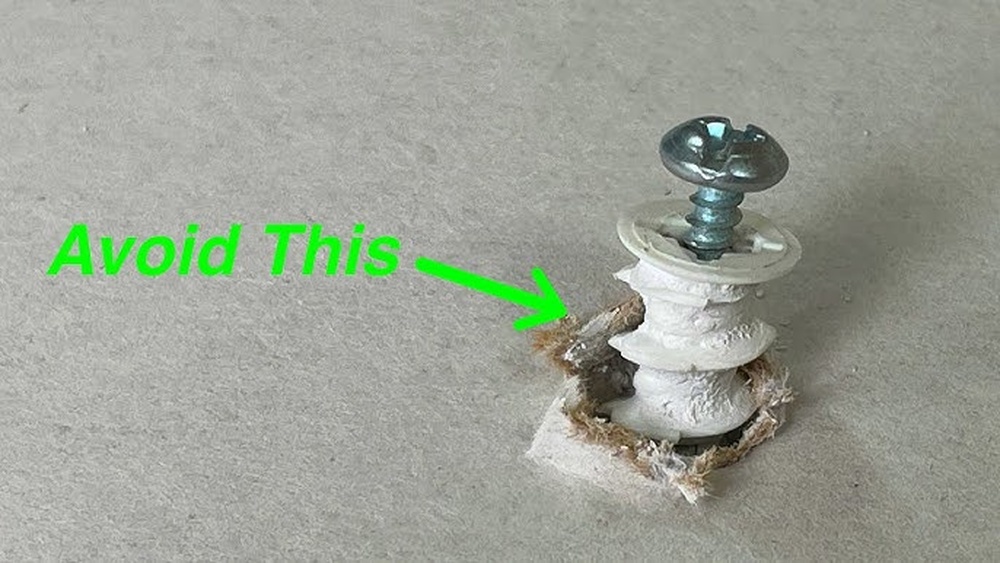
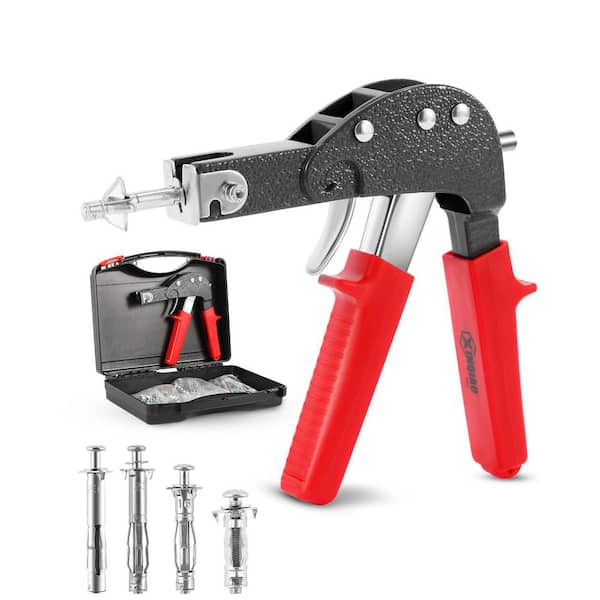
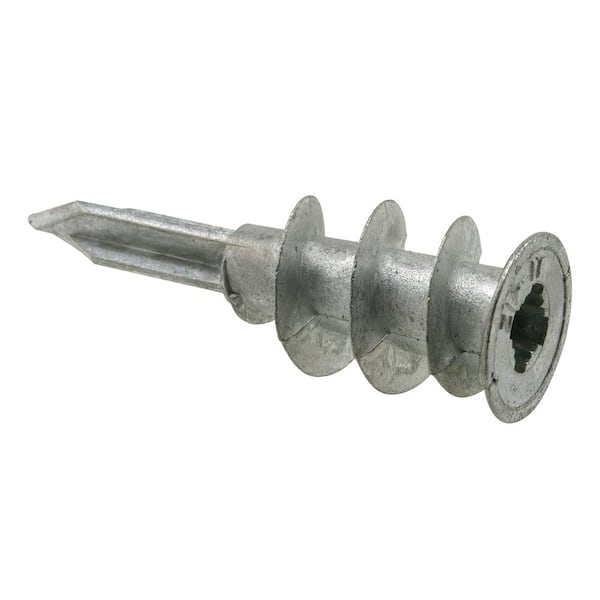
There are several types of wall anchors. Plastic expansion anchors work well for light loads on drywall. Metal anchors provide stronger support for heavier items. Toggle bolts are great for hollow walls and offer high strength. Molly bolts expand behind the wall for a firm hold. Each type fits different wall materials and weight needs.
Weight Capacity Considerations
Check the weight capacity of the anchor before buying. The anchor must support more than the picture’s weight. For heavy frames, choose anchors rated for at least 50 pounds. Using an anchor with too low capacity risks damage and falling pictures. Always add a safety margin to be safe.
Material Compatibility
Match the anchor to your wall material. Drywall, plaster, brick, and concrete each need different anchors. Plastic anchors suit drywall but fail on brick. Masonry anchors work well on brick or concrete walls. Using the right anchor for your wall type ensures a strong hold. This prevents damage and keeps your picture secure.
Credit: www.homedepot.com
Tools And Materials Needed
Anchoring a heavy picture to a wall requires the right tools and materials. Using proper equipment ensures the picture stays secure and the wall remains undamaged. Preparing everything before you start makes the job easier and safer.
Essential Tools
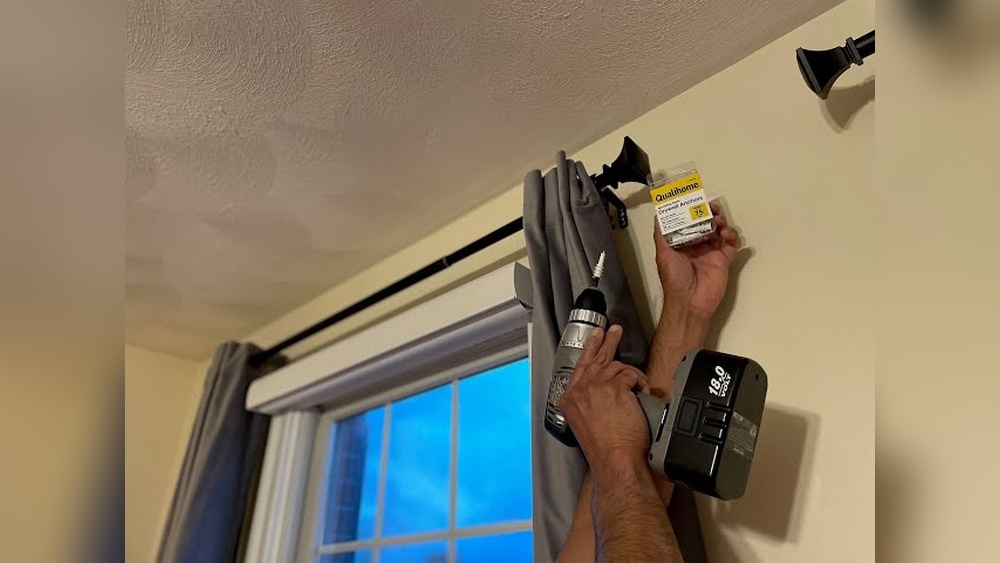
Gather basic tools for the project. A power drill helps make holes quickly and cleanly. A stud finder locates strong wall spots for better support. A level keeps the picture straight. A tape measure ensures precise placement. A pencil marks drilling points. Screwdrivers tighten screws firmly. Safety goggles protect your eyes from dust and debris.
Recommended Anchors And Hardware
Choose anchors based on wall type and picture weight. Toggle bolts work well for drywall and heavy loads. Molly bolts provide strong support in hollow walls. Plastic anchors suit lighter frames. Use screws that match the anchors for a secure fit. Picture hanging hooks add extra stability. Select hardware with a weight rating above your picture’s weight for safety.
Preparing The Wall
Preparing the wall is a key step before hanging a heavy picture. It ensures the picture stays secure and the wall stays undamaged. Taking time now saves trouble later. Follow these steps carefully to prepare your wall properly.
Locating Studs
Studs are wooden beams behind the drywall. They hold the most weight. Use a stud finder to locate them. Move the finder slowly across the wall. Mark the edges of each stud. Anchoring into a stud gives the strongest support.
Marking Anchor Points
Decide where the picture will hang on the wall. Mark the spots for your anchors clearly. Use a pencil for easy correction. Make sure marks align with studs if possible. Keep the marks level to avoid a crooked picture.
Checking For Wiring And Pipes
Wires and pipes run inside walls. Drilling into them can cause damage or injury. Use a wire detector to find electrical cables. Avoid areas near switches and outlets. Check for plumbing pipes especially in kitchens and bathrooms. Mark safe spots to drill without risk.
Credit: www.homedepot.com
Installing Anchors
Installing anchors is a key step in hanging heavy pictures safely. Anchors hold the weight of your picture and keep it secure on the wall. Without proper anchors, nails or screws can slip out, causing damage. This section explains how to install anchors correctly to ensure a strong hold.
Drilling Pilot Holes
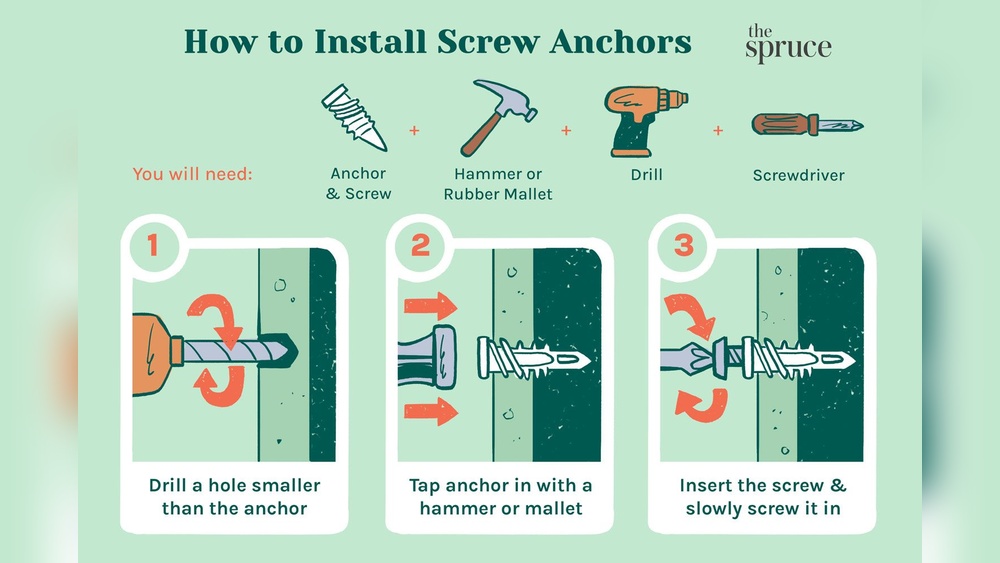
Start by marking the spot where the anchor will go. Use a drill bit that matches the anchor size. Drill a straight pilot hole into the wall. The hole should be deep enough for the entire anchor. Avoid making the hole too wide or too narrow. A good pilot hole helps the anchor fit snugly and hold better.
Inserting Anchors Correctly
Push the anchor into the pilot hole gently. Tap it lightly with a hammer if needed. The anchor must sit flush with the wall surface. Do not force it too hard or it may break. Plastic anchors expand inside the wall, creating a strong grip. Metal anchors may screw in or snap open behind the wall. Follow the anchor type instructions carefully.
Securing Anchors Firmly
After the anchor is in place, insert the screw into it. Turn the screw slowly and straight. Tighten the screw until it feels firm but do not over-tighten. Over-tightening can damage the wall or anchor. The screw should hold steady without wobbling. Now, your wall anchor is ready to support your heavy picture.
Hanging The Picture
Hanging a heavy picture needs care and the right steps. Safety is key to avoid accidents and damage. Follow these tips and best practices to hang your picture safely and securely.
Avoiding Wall Damage
Choose the right anchors for your wall type. Drywall, plaster, and brick need different anchors. Use a stud finder to locate wall studs. Studs provide strong support for heavy items. Drill holes carefully to prevent cracks. Avoid over-tightening screws to stop wall damage.
Ensuring Long-term Stability
Pick anchors that match the weight of your picture. Use multiple anchors for extra support. Check the picture’s weight before hanging. Tighten screws just enough to hold the picture firmly. Regularly inspect the hanging to catch any loosening early. Keep the area around the picture dry to prevent damage.
When To Seek Professional Help
Call a professional for very heavy or valuable pictures. Experts know how to handle fragile walls safely. They use special tools and techniques. If your wall has hidden wiring or pipes, get professional advice. Professionals reduce the risk of damage or injury.

Credit: www.amazon.com
Frequently Asked Questions
What Is The Best Anchor For Heavy Picture Frames?
Use heavy-duty wall anchors like toggle bolts or molly bolts. They provide strong support and distribute weight evenly. Choose anchors rated for your picture’s weight to ensure safety and prevent wall damage.
How Do I Find Studs To Anchor Heavy Pictures?
Use a stud finder tool to locate studs behind the wall. Studs offer the strongest support for heavy pictures. Mark the stud locations before drilling for secure anchoring.
Can I Use Drywall Anchors For Heavy Pictures?
Yes, but only heavy-duty drywall anchors like toggle bolts. Regular plastic anchors are not strong enough. Always check the anchor’s weight rating to avoid accidents.
What Tools Are Needed To Hang Heavy Pictures Securely?
You’ll need a stud finder, drill, level, screwdriver, and appropriate wall anchors. These tools ensure precise placement and strong, safe mounting for your heavy picture.
Conclusion
Anchoring a heavy picture to the wall is simple with the right steps. Choose strong anchors that fit your wall type. Use a level to keep your picture straight. Always measure carefully before drilling holes. Secure the anchors tightly to hold the weight.
Taking these small steps prevents damage and keeps your picture safe. You will enjoy your artwork without worry. Practice patience and follow instructions for best results. Your walls and pictures will thank you.