Are you tired of clutter piling up around your home? Hard wall hooks could be the simple solution you’ve been missing.
They help you organize your space without drilling holes or causing damage. But how do you use them correctly to get the best results? You’ll discover easy steps and smart tips to make the most of hard wall hooks. Keep reading to transform your walls into practical storage spots that keep your things neat and within reach.

Credit: us.amazon.com
Choosing The Right Hard Wall Hooks
Choosing the right hard wall hooks is key for strong and lasting support. Hooks come in many styles, materials, and sizes. Picking the right one helps avoid damage to your walls and keeps items secure. Understand your needs and match hooks carefully to your walls and items.
Types Of Hard Wall Hooks
Hard wall hooks include screw-in, adhesive, and toggle types. Screw-in hooks offer the strongest hold for heavy items. Adhesive hooks suit light objects and do not need drilling. Toggle hooks use anchors to hold weight on drywall or plaster. Select the type based on the weight and wall condition.
Materials And Weight Limits
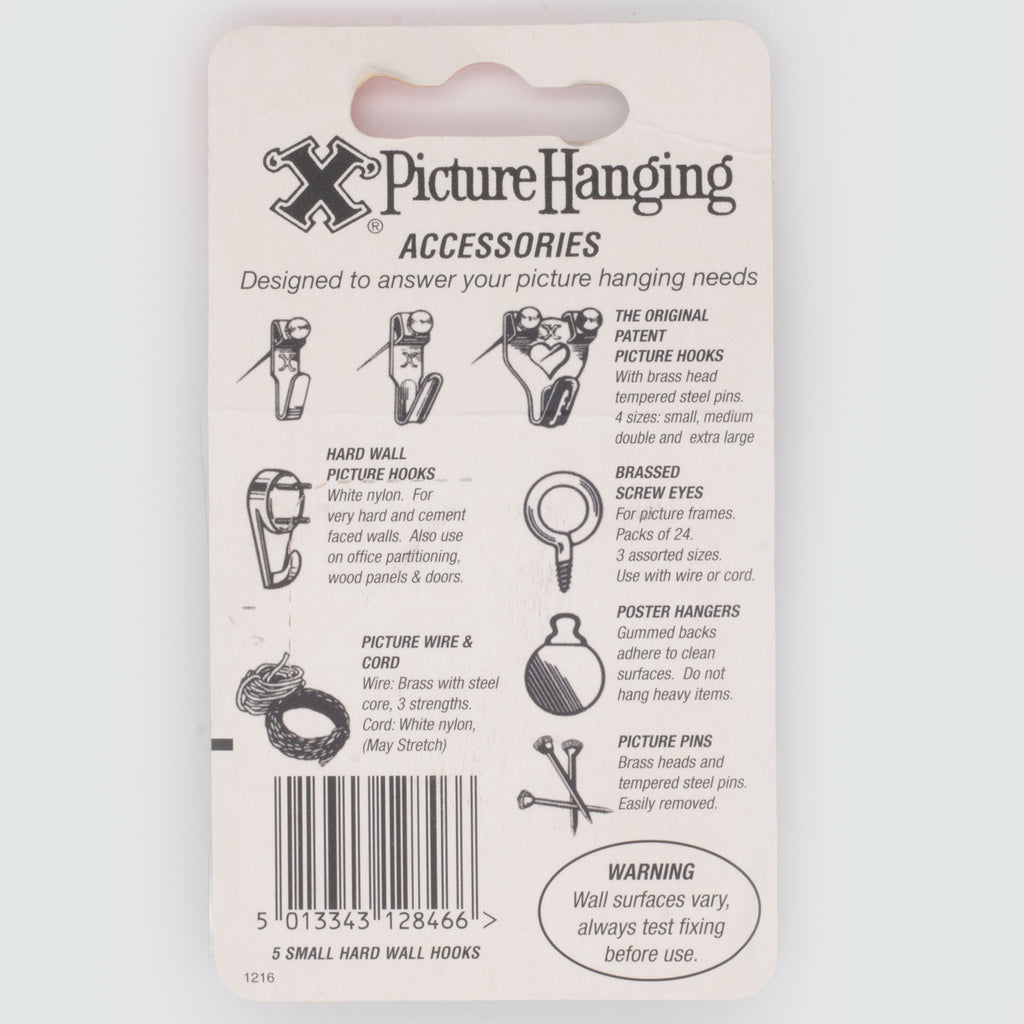
Hooks come in metal, plastic, and wood. Metal hooks hold more weight and last longer. Plastic hooks work well for light loads and avoid wall damage. Each hook has a weight limit, usually shown on packaging. Match the hook’s strength to the item’s weight for safety.
Matching Hooks To Wall Surfaces
Different walls need different hooks. Concrete and brick walls need masonry hooks or anchors. Drywall requires toggle or drywall anchors to prevent pulling out. Plaster walls are fragile and need special anchors or adhesive hooks. Always check your wall type before buying hooks.
Preparing The Wall Surface
Preparing the wall surface is a crucial step before installing hard wall hooks. It ensures that the hooks hold firmly and last a long time. A clean, well-marked, and properly supported wall will make the installation easier and safer.
Cleaning The Area
Start by cleaning the wall where you want to place the hooks. Use a damp cloth to remove dust, dirt, and grease. Dry the wall completely with a clean towel. A clean surface helps the hooks stick well and prevents damage.
Locating Studs Or Solid Anchors
Find studs or solid anchors inside the wall to support heavy items. Use a stud finder to locate wooden studs behind the drywall. If there are no studs, use wall anchors designed for hard surfaces like brick or concrete. This step is key to secure the hooks properly.
Marking Hook Positions
Measure and mark the exact spots for the hooks on the wall. Use a pencil to make small, light marks. Check the height and spacing to match the items you plan to hang. Clear markings guide you during drilling and installation.
Installing Hard Wall Hooks
Installing hard wall hooks is a simple way to organize your space. These hooks hold pictures, keys, and light items securely. Proper installation ensures they stay fixed and support weight well. Follow clear steps and use the right tools for best results.
Tools Needed For Installation
- Drill with a small drill bit
- Hammer
- Screwdriver
- Measuring tape
- Level
- Pencil
Step-by-step Installation Process
- Choose the spot on the wall for the hook.
- Use a pencil to mark the exact position.
- Check the mark with a level to keep it straight.
- Drill a small hole if the hook requires wall anchors.
- Insert the wall anchor if needed for extra support.
- Place the hook over the hole or mark.
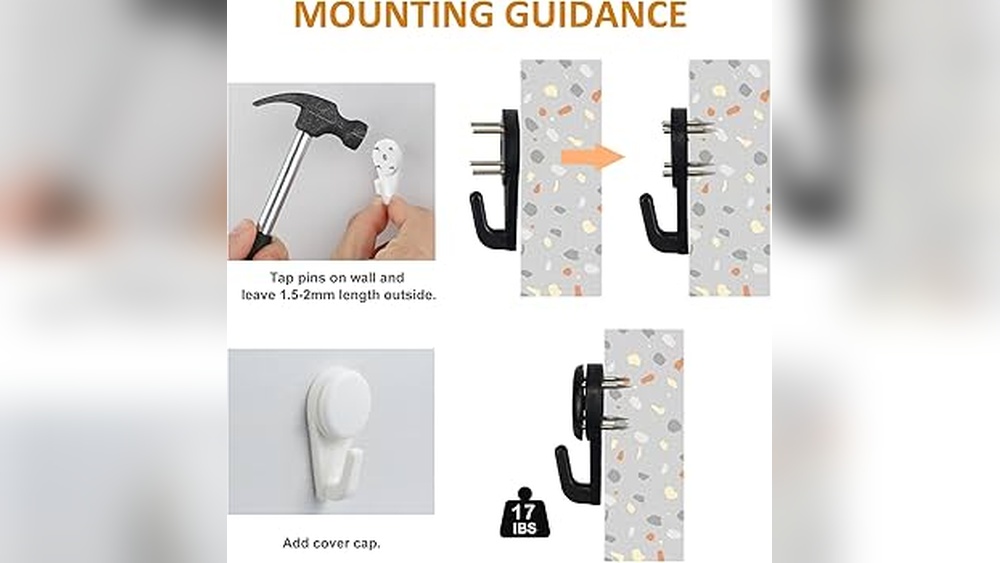
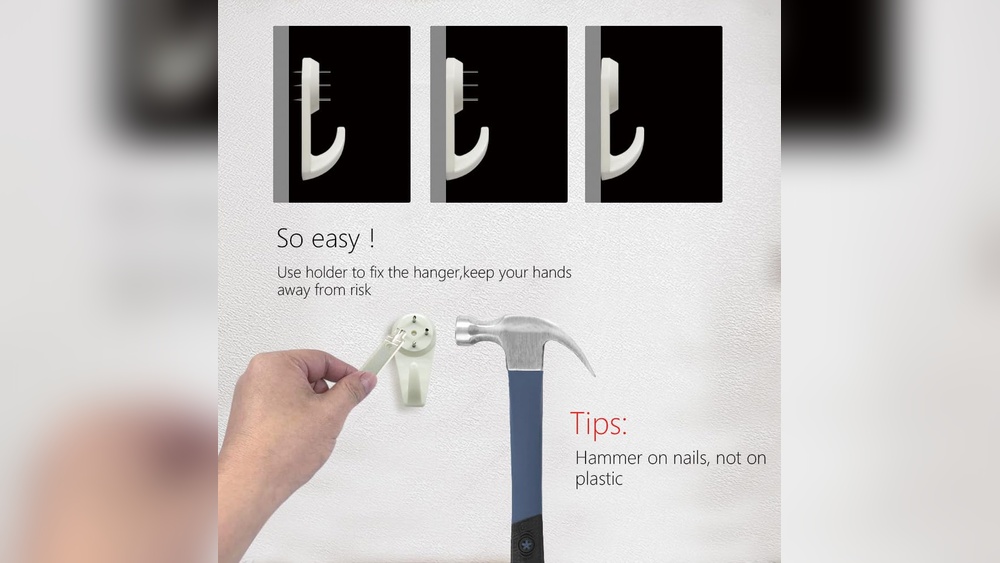
- Use a hammer or screwdriver to secure the hook firmly.
- Test the hook gently to ensure it is stable.
Common Installation Mistakes To Avoid
- Not measuring the spot correctly before marking.
- Skipping the use of wall anchors on drywall.
- Using a drill bit that is too large or small.
- Forcing the hook into the wall without pre-drilling.
- Ignoring the weight limit of the hook.
- Placing hooks too close to each other.
Maximizing Hook Strength And Security
Maximizing the strength and security of hard wall hooks is key for safe and lasting use. Proper installation and care help the hooks hold heavy items without falling. Follow simple steps to make sure hooks stay strong and secure on your walls.
Using Anchors And Wall Plugs
Anchors and wall plugs provide extra grip inside the wall. They hold screws tightly in place, especially in drywall or masonry. Choose the right size anchor for your hook and wall type. Insert the plug firmly before screwing in the hook. This prevents the hook from loosening over time.
Distributing Weight Evenly
Spread the load on the hook evenly to avoid damage. Use more than one hook for heavy or large items. This reduces pressure on a single point. Balance the weight so the wall and hook share the load. It helps prevent holes or cracks around the hook.
Regular Maintenance And Checks
Check your hooks regularly for signs of wear or loosening. Tighten screws if the hook feels loose. Replace damaged anchors or hooks immediately. Clean hooks to stop rust or dirt buildup. Routine care keeps hooks strong and safe for daily use.
Creative Uses For Hard Wall Hooks
Hard wall hooks offer many creative uses beyond simple hanging. They help organize, decorate, and enhance spaces easily. These hooks hold items firmly on hard surfaces like brick, tile, or concrete walls. This versatility makes them practical in many areas of the home and outdoors. Explore creative ways to use hard wall hooks to make your spaces more functional and attractive.
Organizing Home Spaces
Hard wall hooks help keep rooms tidy and items within reach. Use them in the kitchen for hanging pots, pans, or utensils. In the bathroom, hang towels, robes, or brushes. Hooks in the garage or workshop store tools and cords neatly. They clear clutter and save shelf space. Install hooks at different heights for easy access. Organizing becomes simple and efficient with hard wall hooks.
Decorative Hanging Ideas
Hard wall hooks add charm when used for decoration. Hang framed photos or artwork without nails. Create a gallery wall with multiple hooks for an artistic look. Use them to display plants in hanging pots. Hang string lights or seasonal decorations to brighten rooms. Hooks support lightweight decor and keep walls damage-free. They combine utility and style in one simple step.
Outdoor Applications
Hard wall hooks work well in outdoor areas too. Hang garden tools, hoses, or watering cans near your garden shed. Use hooks to hold outdoor lanterns or bird feeders. They keep patio furniture cushions off the ground and dry. Hooks can organize sports gear in a garage or porch. Weather-resistant hooks ensure long-lasting use outside. Outdoor spaces stay neat and ready for use with these hooks.
Credit: www.liftingitalia.com

Credit: www.youtube.com
Frequently Asked Questions
What Tools Do I Need To Install Hard Wall Hooks?
You need a drill, screws, anchors, a screwdriver, and a level. These tools help secure hooks firmly into hard walls like concrete or brick.
Can Hard Wall Hooks Hold Heavy Items Safely?
Yes, hard wall hooks are designed to hold heavy items. Use appropriate anchors and screws for better support and safety.
How Do I Choose The Right Hard Wall Hook Size?
Select hooks based on the weight and size of items you want to hang. Check packaging for maximum weight capacity.
Are Hard Wall Hooks Suitable For All Wall Types?
Hard wall hooks work best on solid surfaces like brick, concrete, or plaster. Avoid using them on drywall without anchors.
Conclusion
Hard wall hooks make hanging items quick and easy. Choose the right hook for your wall type. Use the correct tools to avoid damage. Measure carefully before drilling holes for best results. Secure hooks tightly to hold weight safely. Clean the area after installation to keep it neat.
These simple steps help you organize and decorate your space. Enjoy a tidy and functional room with hard wall hooks. Try these tips for your next home project.