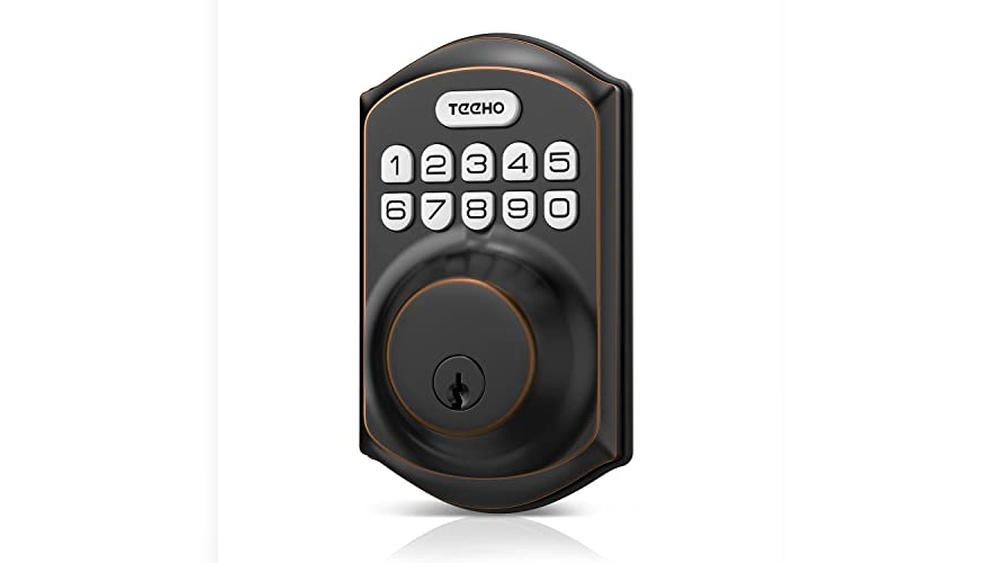
Have you ever wondered how deep a deadbolt lock really is? Understanding this can make a big difference in keeping your home safe and secure.
You might think all locks are the same, but the depth of a deadbolt plays a key role in its strength. If you want to know how this simple detail can protect your family and belongings, keep reading. By the end, you’ll see your lock in a whole new light—and feel more confident about your home’s security.
Credit: premierlocks.com
Deadbolt Lock Basics
Deadbolt locks provide strong security for homes and businesses. They work by extending a solid metal bolt deep into the door frame. This makes it harder for intruders to break in. Understanding deadbolt lock basics helps you choose the right lock for your needs.
Types Of Deadbolt Locks
Single-cylinder deadbolts use a key on the outside and a thumb turn inside. They are common on residential doors. Double-cylinder deadbolts need a key on both sides. These offer extra security but can slow escape in emergencies. There are also lockable thumb turn deadbolts, which allow you to lock the thumb turn with a key.
Key Components
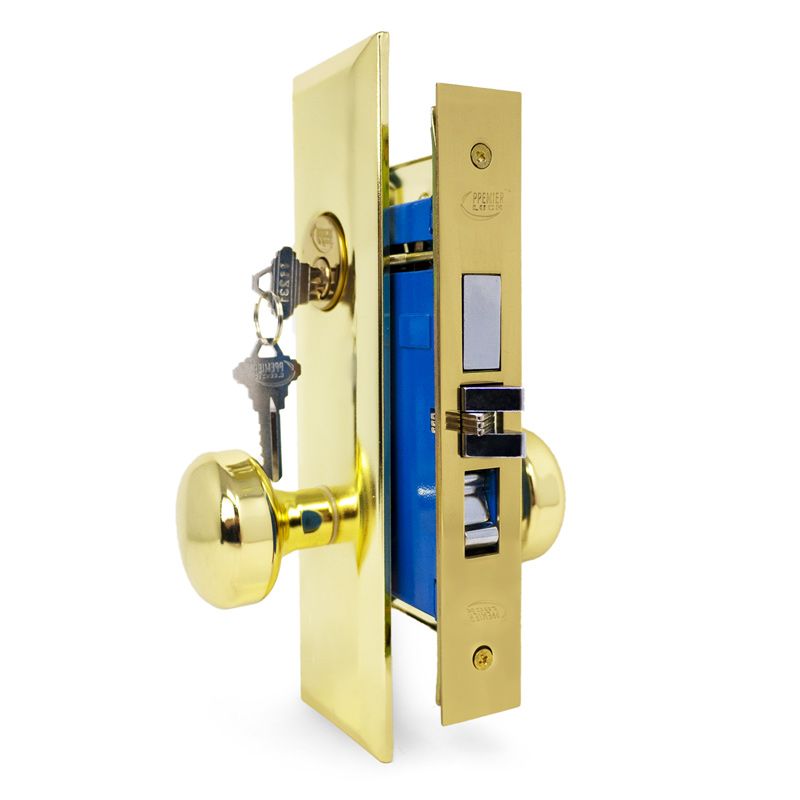
The main parts include the bolt, cylinder, and strike plate. The bolt is the metal bar that slides into the door frame. The cylinder holds the key mechanism. The strike plate strengthens the door frame and holds the bolt securely. Together, these parts make the lock strong and reliable.
Common Uses
Deadbolts are popular for front and back doors. They protect against forced entry better than regular locks. Businesses often use deadbolts on external doors. Some use them on interior doors needing extra security. They suit both wooden and metal doors.

Credit: www.youtube.com
Measuring Deadbolt Depth
Measuring the depth of a deadbolt lock is essential for proper installation and security. The depth affects how well the lock fits into the door and how secure it will be. Knowing the right measurements helps in choosing the correct deadbolt for your door.
Bolt Throw Length
Bolt throw length is the distance the bolt extends into the door frame. This length affects how secure the lock is. Most deadbolts have a throw length of 1 inch to 1.5 inches. A longer throw usually means better security because the bolt goes deeper into the frame.
Door Thickness Compatibility
Deadbolts must fit the thickness of your door. Standard doors are usually 1 3/8 inches to 1 3/4 inches thick. Some deadbolts adjust to fit different door sizes. Using a deadbolt that matches door thickness ensures smooth operation and strong locking.
Standard Depth Sizes
Deadbolt locks come in standard depth sizes for easy selection. The depth includes the bolt and the lock body that fits inside the door. Common depths range from 1 inch to 2 inches. Choosing the right depth size prevents loose fitting and enhances security.
Impact Of Depth On Security
The depth of a deadbolt lock plays a key role in its security. A deeper deadbolt offers better protection. It makes it harder for intruders to break or tamper with the lock. This section explores how depth affects resistance, durability, and lock ratings.
Resistance To Forced Entry
A deeper deadbolt extends further into the door frame. This extra length gives more holding power. It resists kicking, prying, and other forceful attacks. Shallow deadbolts can be pushed out or twisted more easily. The depth acts like a strong anchor, making it tough to force open.
Durability Factors
Depth also influences the lock’s durability over time. A longer bolt faces less wear from regular use. It stays stable and aligned inside the frame. This reduces the chance of the lock jamming or breaking. Sturdy materials combined with proper depth ensure longer life for the lock.
Lock Grade Ratings
Lock grades measure strength and security. Deeper deadbolts often earn higher grades. These ratings come from tests on force resistance and durability. A higher grade means better protection against break-ins. Choosing locks with good depth can help meet these quality standards.
Installation Tips For Optimal Depth
Installing a deadbolt lock at the right depth improves your door’s security and durability. Proper depth ensures the bolt fits securely without damaging the door. This section covers key tips to help achieve the perfect installation depth for your deadbolt lock.
Choosing The Right Lock Size
Select a deadbolt that matches your door thickness. Most residential doors are between 1 3/8 and 1 3/4 inches thick. Use a lock designed for your door’s size. A lock too short or too long may not fit properly. Check product details before buying to avoid installation issues.
Proper Door Preparation
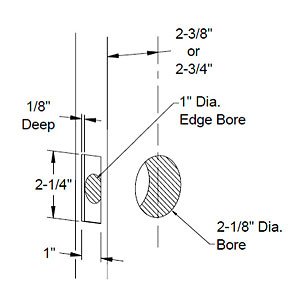
Mark the exact spot for the lock on your door. Use a template if provided with your lock. Drill holes carefully to avoid splintering wood. The hole depth must match the lock’s body length. Sand edges smooth to help the lock fit tightly and work well.
Alignment And Fitting
Align the deadbolt with the strike plate on the door frame. The bolt should slide easily into the strike plate hole. Adjust the strike plate position if needed. Tighten screws firmly but do not over-tighten. Test the lock several times to ensure smooth operation.
Advanced Security Features
Deadbolt locks offer more than just a deep bolt for security. Advanced features improve their strength and reliability. These features help protect doors from forced entry and enhance home safety. Understanding these options shows why deadbolts remain a top choice for security.
Reinforced Strike Plates
Strike plates hold the bolt inside the door frame. Reinforced strike plates use thicker metal for extra strength. They often include longer screws to reach deep into the wall studs. This makes it much harder for intruders to kick in the door. Reinforced plates support the deadbolt’s full locking power.
Smart Lock Integration
Smart locks add convenience and control to deadbolt security. They connect to phones or home systems. This allows locking or unlocking remotely and monitoring door status. Many smart locks keep the strong deadbolt mechanism but add digital features. This blend of tech and strength improves home safety.
Additional Locking Mechanisms
Some deadbolts include extra locking parts for more defense. Double-cylinder deadbolts need a key on both sides, stopping break-ins through glass near the door. Some models add anti-drill or anti-pick features. These mechanisms increase protection beyond the bolt depth alone.
Credit: www.emtek.com
Maintenance For Longevity
Maintaining a deadbolt lock is key for its long life and smooth function. Simple care steps can keep it secure and easy to use. Regular checks and basic upkeep help avoid problems and costly repairs.
Regular Inspection
Check your deadbolt every few months. Look for signs of wear like rust or loose parts. Test the lock by turning the key and bolt. Notice any stiffness or unusual sounds. Early detection can stop bigger issues.
Lubrication Techniques
Apply a small amount of lubricant to the keyhole and bolt. Use graphite powder or silicone spray designed for locks. Avoid oil-based lubricants that attract dust. Lubrication keeps the lock moving smoothly and prevents jams.
When To Replace
Replace your deadbolt if it shows heavy damage or stops working well. If the key sticks or the bolt won’t extend fully, it’s time. Also, change the lock after moving into a new home for safety.
Common Myths About Deadbolt Depth
Many people believe certain things about deadbolt locks that are not true. These myths can lead to poor choices in home security. Understanding the facts about deadbolt depth helps you pick the right lock. Let’s clear up some common false ideas.
Bigger Always Means Safer
Some think a bigger deadbolt is stronger. Bigger does not always mean better security. The lock’s material and design matter more than size. A well-made smaller lock can stop intruders better.
All Locks Fit All Doors
Not every deadbolt fits every door. Doors have different thicknesses and styles. Using the wrong lock can cause poor fit and weak security. Always check the lock’s size matches your door.
Depth Guarantees Security
The depth of a deadbolt does not guarantee safety. How the lock is installed matters a lot. A deep lock installed poorly can fail easily. Proper installation and quality are key to security.
Frequently Asked Questions
How Deep Is A Standard Deadbolt Lock?
A standard deadbolt lock is typically 1 inch to 1. 5 inches deep. This depth ensures secure engagement with the door frame. It provides strong resistance against forced entry. Depth can vary slightly by brand and lock type.
Why Does Deadbolt Lock Depth Matter?
Deadbolt depth is crucial for security. A deeper lock extends further into the door frame. This prevents easy kick-ins or forced entry. Proper depth improves overall door strength and safety.
Can Deadbolt Depth Be Customized?
Yes, deadbolt depth can be customized. Locksmiths can install locks with varying bolt lengths. Custom depth suits thicker doors or specific security needs. Always consult a professional for proper fitting.
Does Door Thickness Affect Deadbolt Depth?
Yes, door thickness directly affects deadbolt depth. Thicker doors may require longer deadbolt bolts. This ensures the lock fully engages inside the door frame. Proper bolt length is vital for secure locking.
Conclusion
Deadbolt locks are designed to fit deeply into doors for strong security. The depth varies but usually ranges from one to two inches. This depth helps prevent forced entry and keeps your home safer. Knowing how deep a deadbolt goes helps you pick the right lock.
Choose locks that match your door’s thickness and frame. Secure doors start with the right deadbolt fit. Keep your home protected with a lock that fits well and works properly.