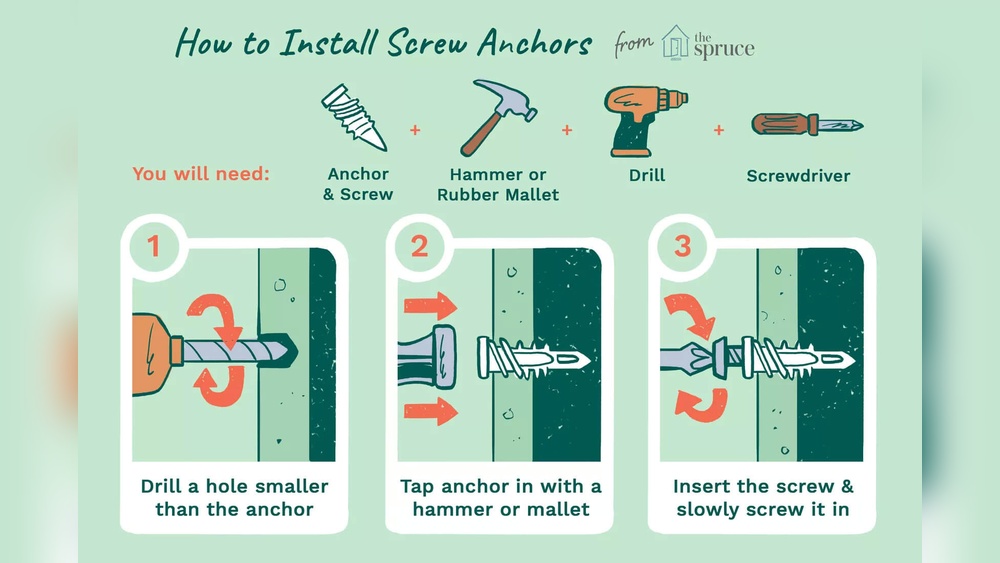
If you’re working on building or renovating a home with a limestone foundation, knowing how to properly anchor the sill plate is crucial. This step ensures your structure stays strong and safe for years to come.
But how do you securely attach wood to stone without risking damage or instability? In this guide, you’ll discover simple, effective methods to anchor your sill plate to a limestone foundation wall. By the end, you’ll feel confident handling this key part of your project with ease.
Keep reading to learn the exact tools, techniques, and tips you need for a solid, lasting connection.
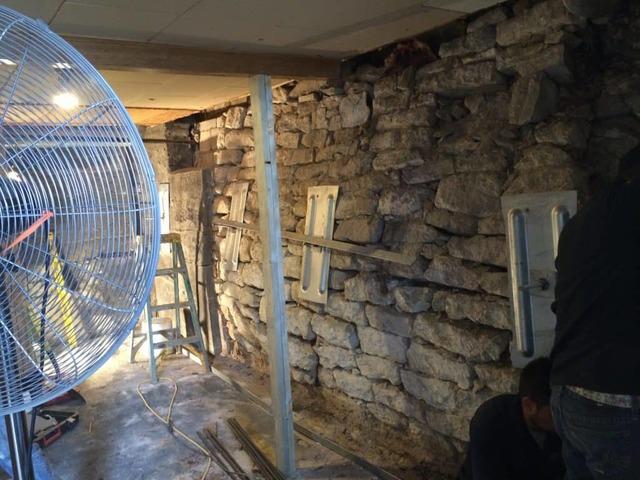
Credit: www.gothrasher.com
Choosing The Right Materials
Choosing the right materials is key for anchoring a sill plate to a limestone foundation wall. Good materials ensure strong support and long-lasting results. Using the wrong materials can lead to weak connections and costly repairs.
Understanding the types of sill plates and anchors helps you pick the best options. Each material has unique features and suits different conditions.
Types Of Sill Plates
Sill plates are usually made from wood or composite materials. Pressure-treated wood is common because it resists moisture and insects. Untreated wood may rot quickly near limestone walls. Composite sill plates offer extra durability but cost more.
Choose a sill plate that fits your budget and environment. Make sure the wood is straight and free of cracks. This helps create a solid base for the structure above.
Selecting Anchors For Limestone
Limestone is a soft stone that needs special anchors. Expansion anchors can crack the stone and are not recommended. Sleeve anchors work better as they grip without damaging the limestone.
Epoxy anchors are another good choice. They bond firmly with the stone and hold heavy loads. Use anchors made of stainless steel to prevent rust and corrosion.
Pick anchors designed for masonry or stone. Check their size and length to match your sill plate thickness. Proper anchors keep the sill plate secure and stable over time.
Preparing The Limestone Foundation
Preparing the limestone foundation is a key step before anchoring the sill plate. A clean and stable surface ensures a strong hold. It helps prevent future problems like shifting or cracking. Take time to do this right.
Focus on cleaning and inspecting the surface first. Then, mark the exact anchor locations. These steps create a solid base for the sill plate installation.
Cleaning And Inspecting The Surface
Start by removing dirt, dust, and loose debris from the limestone wall. Use a stiff brush or pressure washer for best results. A clean surface helps the anchors grip better.
Check the wall for cracks or crumbling areas. Small cracks may need filling with mortar. Large damage might require repair before anchoring. Inspecting avoids weak points that can cause failure.
Marking Anchor Locations
Measure the sill plate length carefully. Mark spots on the limestone wall where anchors will go. Space anchors evenly, usually every 4 to 6 feet.
Use a pencil or chalk to mark the exact points. Accurate marks guide drilling and keep the sill plate straight. Proper spacing improves stability and load distribution.
Drilling Anchor Holes
Start by marking the spots for anchor holes on the limestone foundation wall. Use a drill with a masonry bit to make holes deep enough for strong anchors. This ensures the sill plate stays firmly attached and stable.
Choosing The Drill And Bits
Choosing the right drill and bits is key to drilling anchor holes in limestone. Use a hammer drill for best results. It combines rotation with a hammering action. This helps break the hard limestone surface easily.
Select masonry drill bits made for stone or concrete. Carbide-tipped bits last longer and cut cleaner. Pick a bit size that matches your anchor’s diameter. This ensures a tight, secure fit for the anchor.
Drilling Techniques For Limestone
Start drilling slowly to avoid cracking the limestone. Let the drill do the work; do not force it. Keep the drill straight to make a clean hole. Angle mistakes can weaken the anchor hold.
Use steady pressure and withdraw the bit occasionally. This clears out dust and debris from the hole. Dust buildup can cause the drill to overheat or stall.
Drill to the recommended depth for your anchor type. Mark the drill bit with tape to measure depth easily. Proper depth gives the anchor enough space to grip tightly.
Installing Anchors
Anchoring the sill plate to a limestone foundation wall is key for a strong build. Properly installed anchors keep the structure stable and secure. This section guides you through two common methods of installing anchors. Both methods offer reliable hold and durability.
Setting Expansion Anchors
Start by drilling holes into the limestone wall at marked points. Use a hammer drill with a masonry bit for clean holes. Make sure the hole depth matches the anchor length. Clean out dust and debris from each hole with a brush or compressed air.
Insert the expansion anchor into the hole. Tap it gently with a hammer until it is flush with the wall. Tighten the nut or bolt to expand the anchor inside the hole. This expansion grips the limestone firmly, holding the sill plate in place.
Check that the sill plate is level before fully tightening. Expansion anchors work well for solid limestone walls. They provide immediate holding power and are easy to install.
Using Epoxy Anchors
Drill holes similar to the expansion anchor method. Clean the holes carefully to remove all dust and particles. Prepare the epoxy adhesive following the manufacturer’s instructions. Use a mixing nozzle for even blending of the two parts.
Inject the epoxy into the hole, filling it about halfway. Insert the threaded rod or anchor into the epoxy-filled hole. Twist the anchor slightly to spread the epoxy around it. Allow the epoxy to cure fully before attaching the sill plate.
Epoxy anchors create a strong chemical bond with limestone. They work well in cracked or uneven stone surfaces. This method offers high load capacity and long-lasting durability.
Securing The Sill Plate
Securing the sill plate is a key step in building a strong foundation. The sill plate connects the wooden frame of your house to the limestone foundation wall. A firm attachment helps keep your structure safe from movement and damage. Careful placement and solid fastening ensure long-lasting stability.
Follow the right steps to secure the sill plate properly. This will prevent shifts and cracks in your walls. Let’s explore how to position the plate and the best fastening methods to use.
Positioning The Plate
Place the sill plate flat and level on top of the limestone wall. Use a level tool to check for evenness. The plate should align with the wall edge without overhang. Leave a small gap to prevent moisture damage. This gap also allows for slight movements without cracking.
Mark the locations for anchor bolts or fasteners clearly. These marks must match holes drilled into the limestone. Proper positioning ensures the plate will sit tight and secure.
Fastening Methods
Anchor bolts are the most common way to fasten the sill plate. Drill holes into the limestone to fit the bolts. Use epoxy or masonry adhesive for extra hold if needed. Tighten the bolts firmly but avoid splitting the wood.
Another option is using expansion anchors or wedge anchors. These fit into drilled holes and expand to grip the stone. Choose anchors designed for limestone for better strength. Use washers under bolt heads to spread the load evenly.
Check that all fasteners are secure before moving on. A well-fastened sill plate means a safer, stronger home.

Credit: www.youtube.com
Ensuring Stability And Safety
Ensuring the stability and safety of a sill plate anchored to a limestone foundation is critical. A secure sill plate supports the entire structure above. It prevents shifting and damage from natural forces. Proper anchoring helps maintain the building’s strength and longevity. Safety depends on solid connections and protection against common issues.
Checking Anchor Tightness
Start by inspecting the anchor bolts or straps. They should fit tightly into the limestone wall. Loose anchors can cause movement and weaken the structure. Use a wrench to test each bolt’s tightness. Tighten any that feel loose, but avoid over-tightening. Over-tightening can crack the limestone or damage the sill plate.
Regular checks are important, especially in older buildings. Temperature changes and ground shifts may loosen anchors over time. Secure anchors keep the sill plate stable and the building safe.
Preventing Moisture Damage
Moisture can damage both the sill plate and the limestone foundation. Water causes wood to rot and limestone to erode slowly. Apply a waterproof barrier between the sill plate and the foundation. Use sill sealer or a similar material to block water.
Ensure proper drainage around the foundation. Water pooling near the wall increases the risk of damage. A dry foundation keeps the sill plate intact and extends the building’s life.
Common Mistakes To Avoid
Anchoring a sill plate to a limestone foundation wall requires care and precision. Many mistakes can weaken the structure or cause future problems. Knowing common errors helps avoid costly repairs and keeps your build safe.
These mistakes often come from rushing or using the wrong materials. Taking time to do the job right ensures a strong, lasting bond between the sill plate and foundation. Below are some errors to watch out for.
Using Incorrect Fasteners
Not all anchors suit limestone foundations. Avoid nails or screws made for wood only. Use anchors designed for masonry to hold the sill plate firmly. Wrong fasteners may loosen or break over time.
Failing To Clean The Foundation Surface
Dirt and dust reduce anchor grip. Always clean the limestone wall before anchoring. Use a wire brush to remove loose particles. A clean surface helps the anchors hold better.
Drilling Holes Too Large Or Small
Hole size matters. Too large holes weaken the hold. Too small holes make anchoring difficult and may crack the stone. Match the drill bit size to the anchor specifications.
Ignoring Moisture Barriers
Moisture can damage wood and stone. Skip placing a moisture barrier under the sill plate. This mistake leads to wood rot and stone erosion. Use a proper barrier to protect both materials.
Overtightening Anchors
Tightening anchors too much can crack limestone. Turn the anchor until snug, not forced. Cracks reduce foundation strength and cause leaks. Handle anchors with care for a safe hold.

Credit: www.youtube.com
Frequently Asked Questions
How Do You Anchor A Sill Plate To Limestone?
To anchor a sill plate to limestone, use stainless steel or galvanized anchor bolts. Drill holes into the limestone, insert anchors, and secure the sill plate firmly. This ensures a stable foundation connection and prevents shifting or damage over time.
What Tools Are Needed To Anchor Sill Plates?
Essential tools include a hammer drill with masonry bits, anchor bolts or sleeve anchors, a wrench, a tape measure, and a level. These tools help you accurately drill into limestone and securely fasten the sill plate.
Can I Use Regular Screws On Limestone Walls?
Regular screws are not recommended for limestone. Instead, use masonry anchors or bolts designed for stone. These provide better grip and durability, ensuring the sill plate remains securely attached to the foundation.
Why Is Anchoring Sill Plates Important?
Anchoring sill plates prevents structural movement and water damage. It stabilizes the building’s base, improving safety and longevity. Proper anchoring also helps meet building codes and avoid costly repairs.
Conclusion
Anchoring a sill plate to a limestone foundation wall takes careful steps. Use the right tools and materials for a strong hold. Mark and drill holes accurately to avoid mistakes. Secure bolts tightly but not too much. Check your work to ensure safety and stability.
This simple process helps keep your structure firm and lasting. Follow these tips to make your project easier and more reliable.